
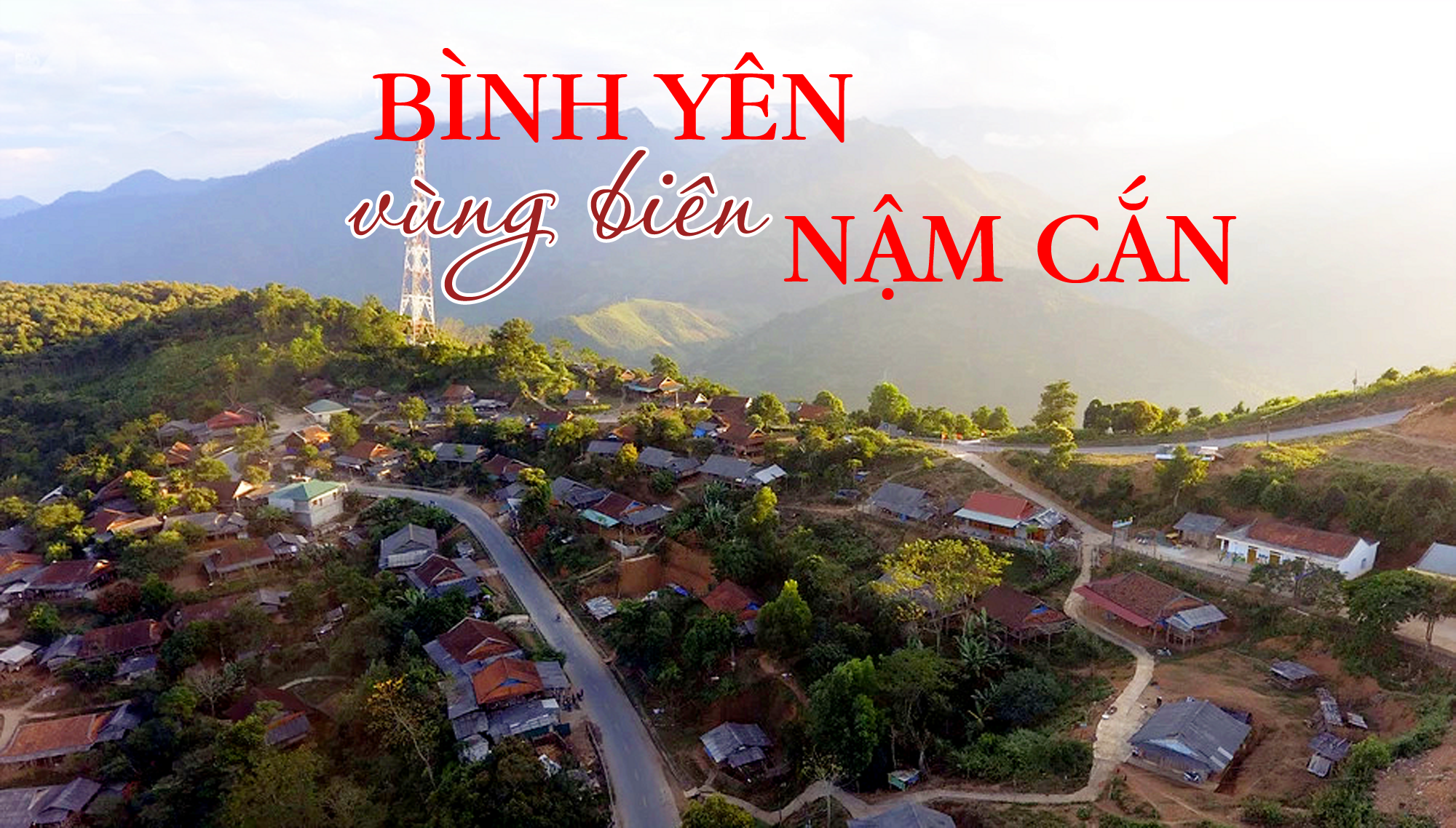


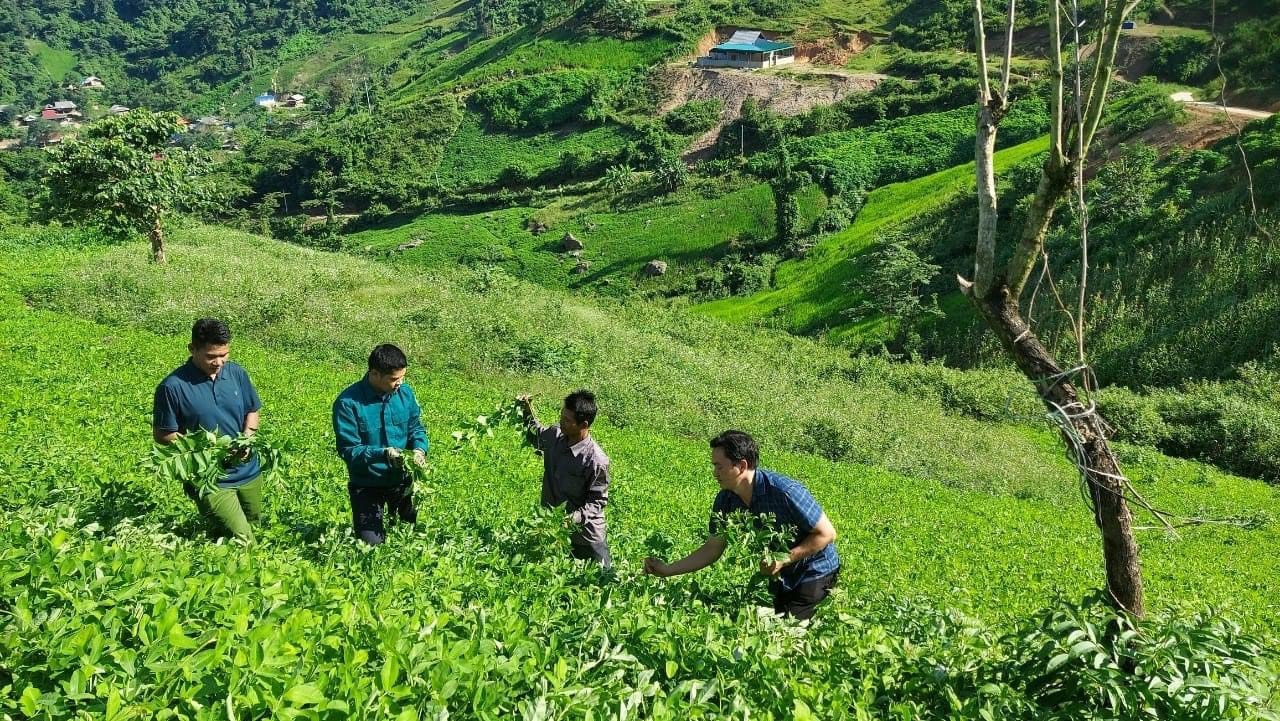
From the center of Muong Xen town (Ky Son district), traveling up National Highway 7 to the border commune of Nam Can, one can feel the peaceful scenery in every house, every village. Visiting Pa Ca village, located near the Vietnam-Laos border ring road, it was previously known as the poorest and most difficult village in the border commune. However, now, after the completion of a concrete road over 5km long connecting National Highway 7A to the center of the village, people can travel more conveniently, agricultural products are easier to sell, and the lives of the people have improved significantly. Security and order are ensured, and social evils have been pushed back. According to Mr. Ven Van Kham – Head of Pa Ca village: “There are currently no cases of illegal migration in the village, no more drug addicts; people are conscious of complying with the law, protecting the border and boundary markers, and have a high level of vigilance, not listening to or believing bad elements.”
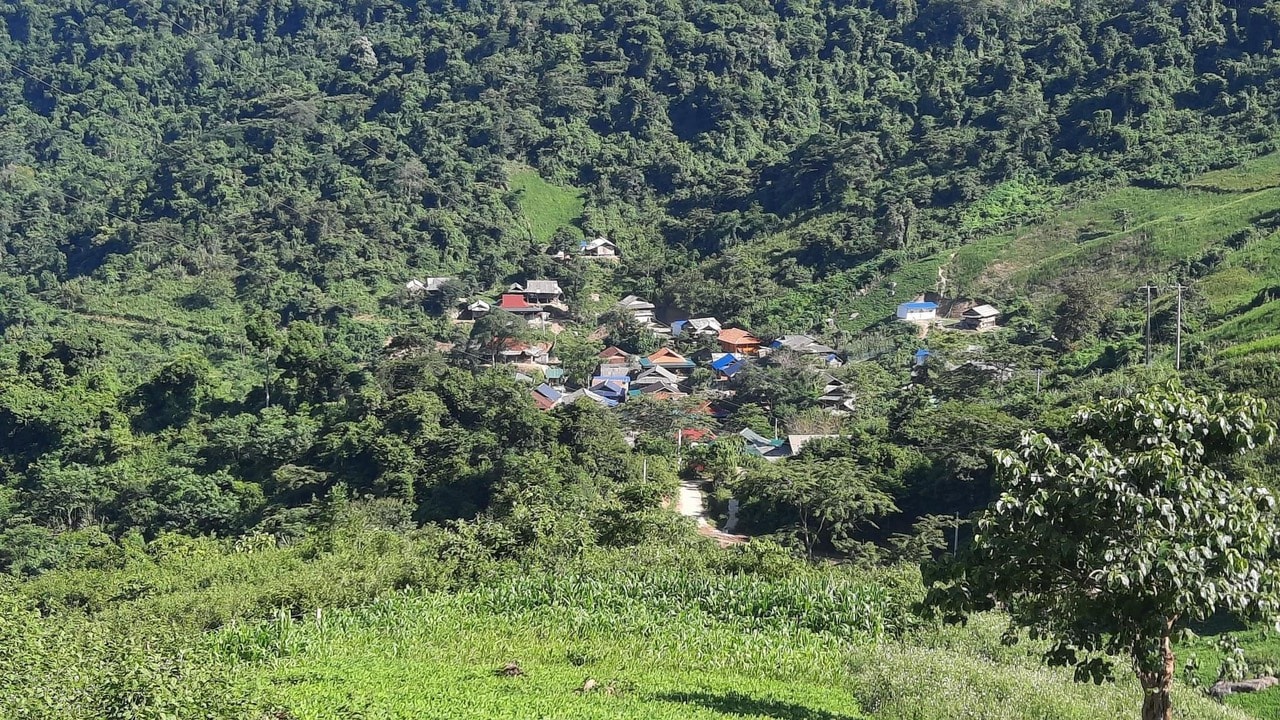
The entire Nậm Cắn commune has 6 villages with 984 households and 5,061 inhabitants, comprising 4 ethnic groups: the Mong ethnic group accounts for 70.5%, the Khơ Mú 14.8%, the Thái 13.4%, and the Kinh 1.3%. According to Mr. Lầu Bá Chày – Chairman of the People's Committee of Nậm Cắn commune: Due to the rugged terrain and harsh climate, the socio-economic situation, especially in remote villages, remains difficult. In addition, the limited level of education among the population has led to a complex drug crime situation. Criminals often lure and exploit people visiting relatives or crossing the border to transport drugs into Vietnam. The commune has 17 cases of drug addiction. In light of this situation, the Party Committee and local authorities proactively coordinated with the Nậm Cắn International Border Gate Border Guard Station and the regular commune police force to strengthen the dissemination of legal information through various forms (in both Vietnamese and ethnic languages); and effectively integrated projects related to the fight against drug trafficking.

At the same time, the political system directed mass organizations to actively coordinate with village elders, heads of hamlets, and influential people in clans to effectively mobilize drug addicts to undergo rehabilitation... As a result, from a complex area, by the end of 2022, Nam Can was recognized as a drug-free border commune and is currently striving to implement solutions to "keep the area clean".
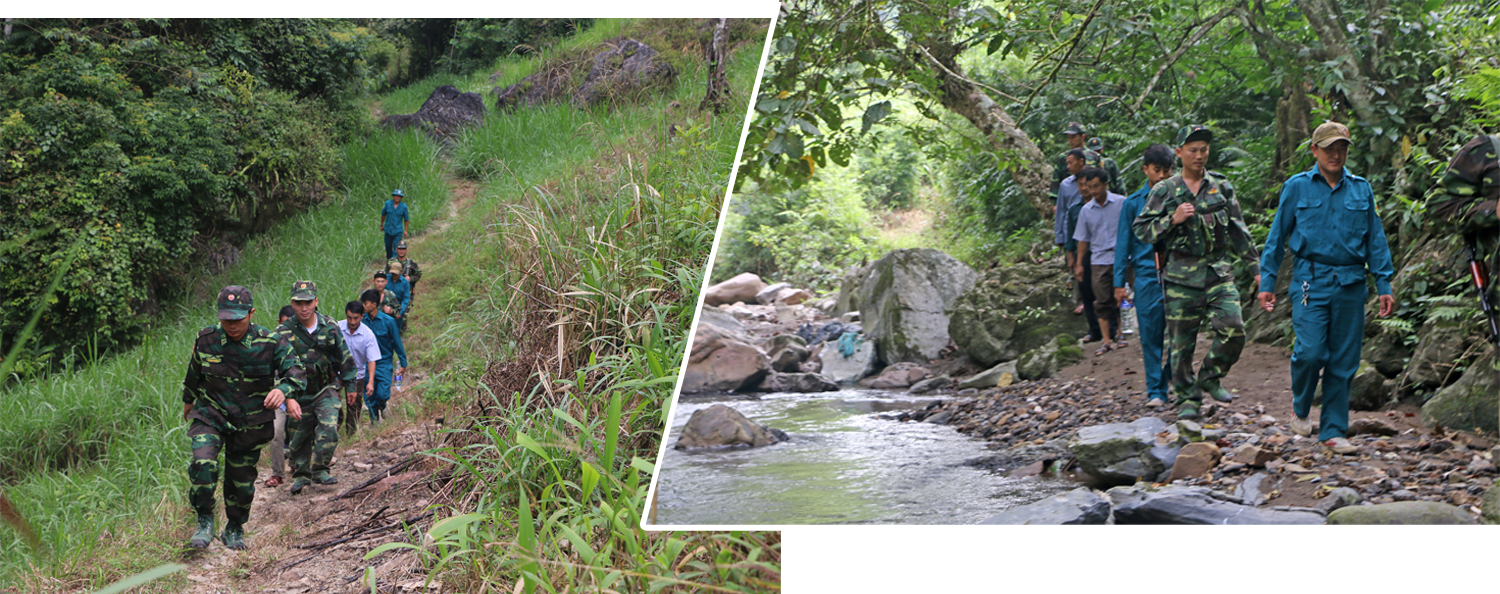
Besides drug-related crimes, due to the numerous trails and openings, smuggling and trade fraud are also prevalent in the Nam Can area. Recently, a task force from the Nam Can International Border Gate Border Guard Station, Ky Son District Police, in coordination with the Nam Can International Border Gate Customs Branch, detected and promptly prevented the smuggling of livestock across the border. Specifically, around the beginning of March 2024, Mr. Nguyen Hung Son, residing in Nghia Hop commune (Tan Ky district), crossed into Laos, went to a livestock farm to buy 17 dairy cows (already culled), and contacted and agreed with an individual to transport them across the border via unofficial routes for a cost of 1,000,000 Lao Kip per cow. On March 15, 2024, Mr. Son hired a truck from a Laotian man to transport 17 cows he had purchased to Din Dam village, Noong Het Tay cluster of villages, Noong Het district, Xieng Khouang province. He then hired Laotian people to lead the cows along a trail across the border into Vietnam. Upon reaching Tien Tieu village, Nam Can commune, he was discovered and arrested by authorities.
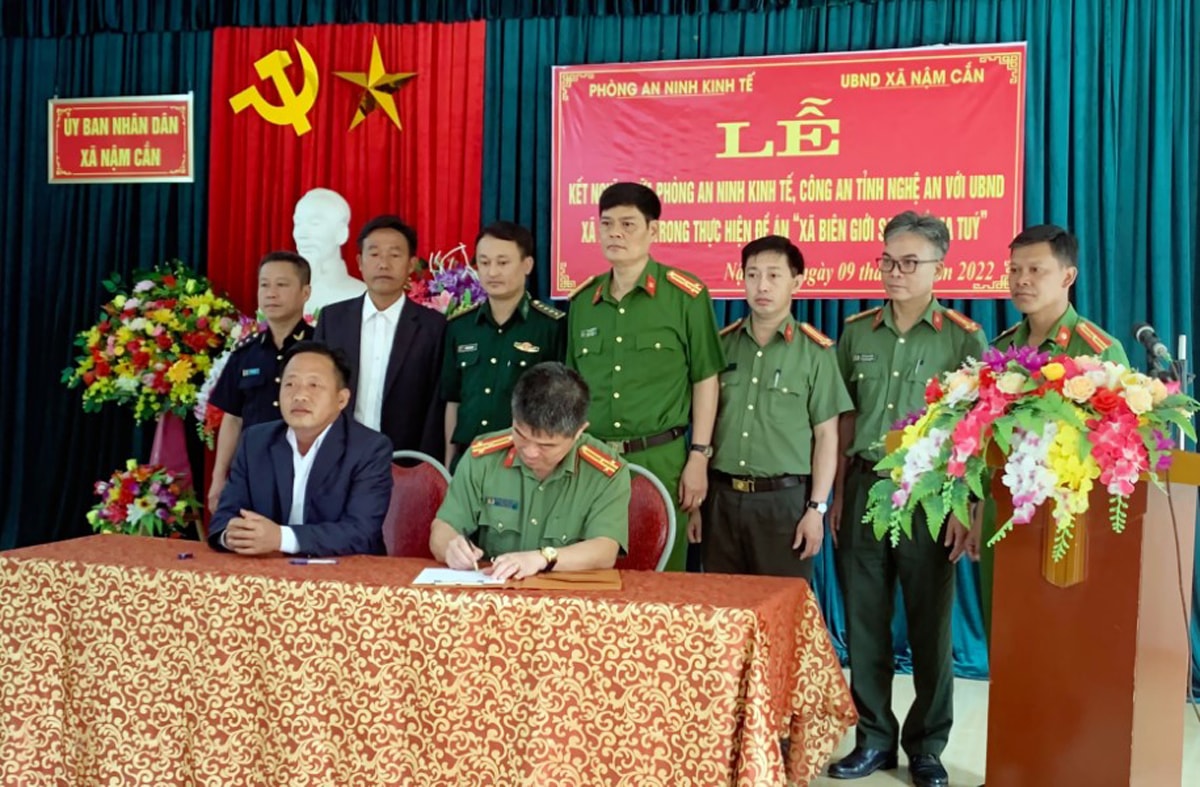
Furthermore, during the exchange, the Party Secretary of Nam Can commune, Mr. Lang Thanh Luong, added: Recently, some malicious individuals have been luring, enticing, and inciting local people, students studying at universities and colleges, and migrant workers (currently, there are 620 domestic workers, 10 overseas workers, and hundreds of seasonal workers and people visiting relatives using passports and travel documents in the area) to spread propaganda, distort and sabotage the achievements and revolutionary policies, slander and defame, and distort the image of the leaders of the Party and State.
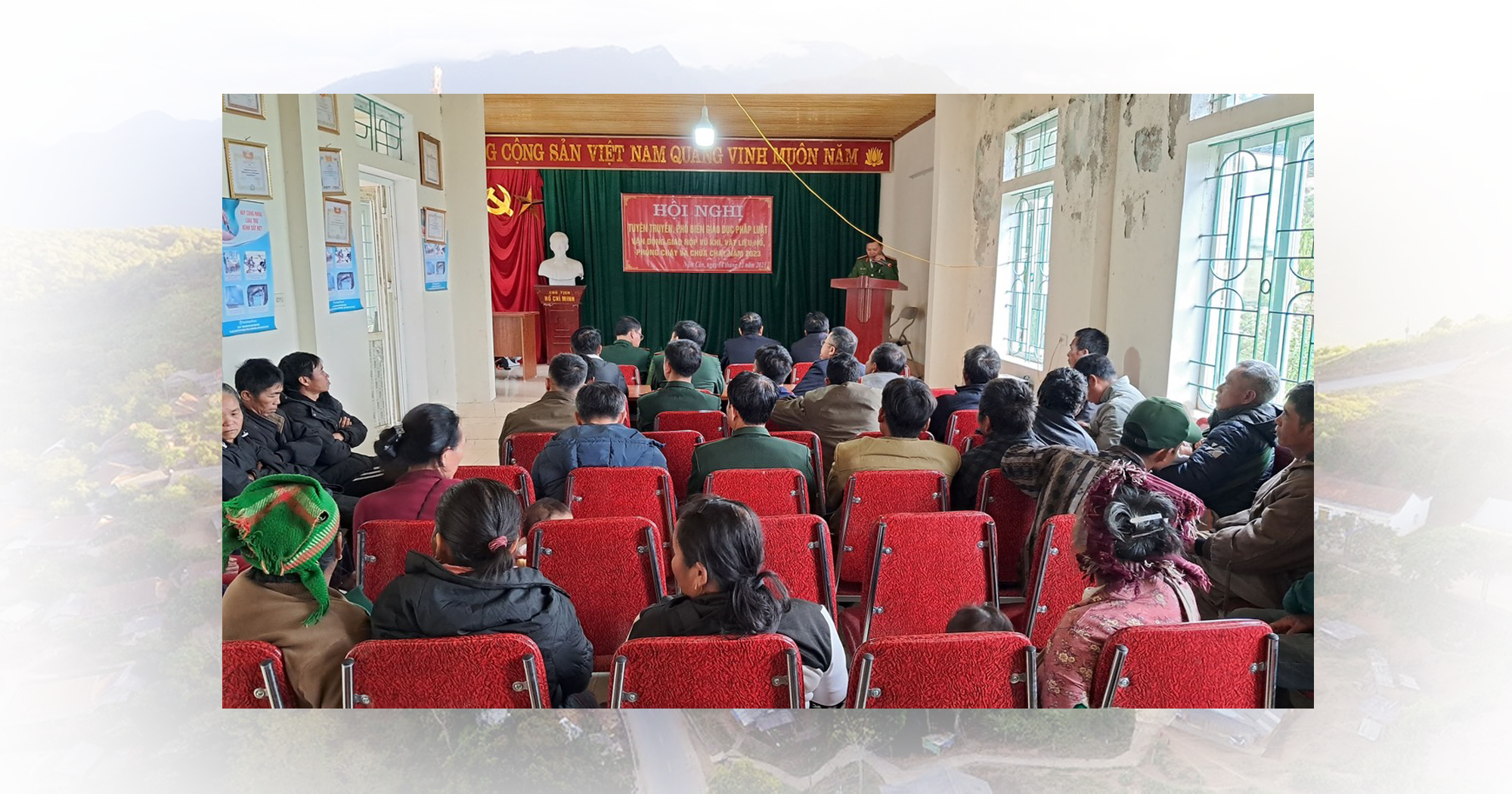
In light of this situation, besides coordinating with functional forces to strengthen control and strict inspection of trails and open routes, as well as people and vehicles entering and exiting through border gates, the political system of Nam Can commune has established a solid communication mechanism with the people through various forms (through meetings, direct encounters; information via loudspeaker systems; Zalo and Facebook groups of each organization, each village, etc.). Through this, they can promptly and accurately detect early signs, potential risks, and complex or unstable incidents to provide timely warnings and responses, preventing the emergence of "hot spots".
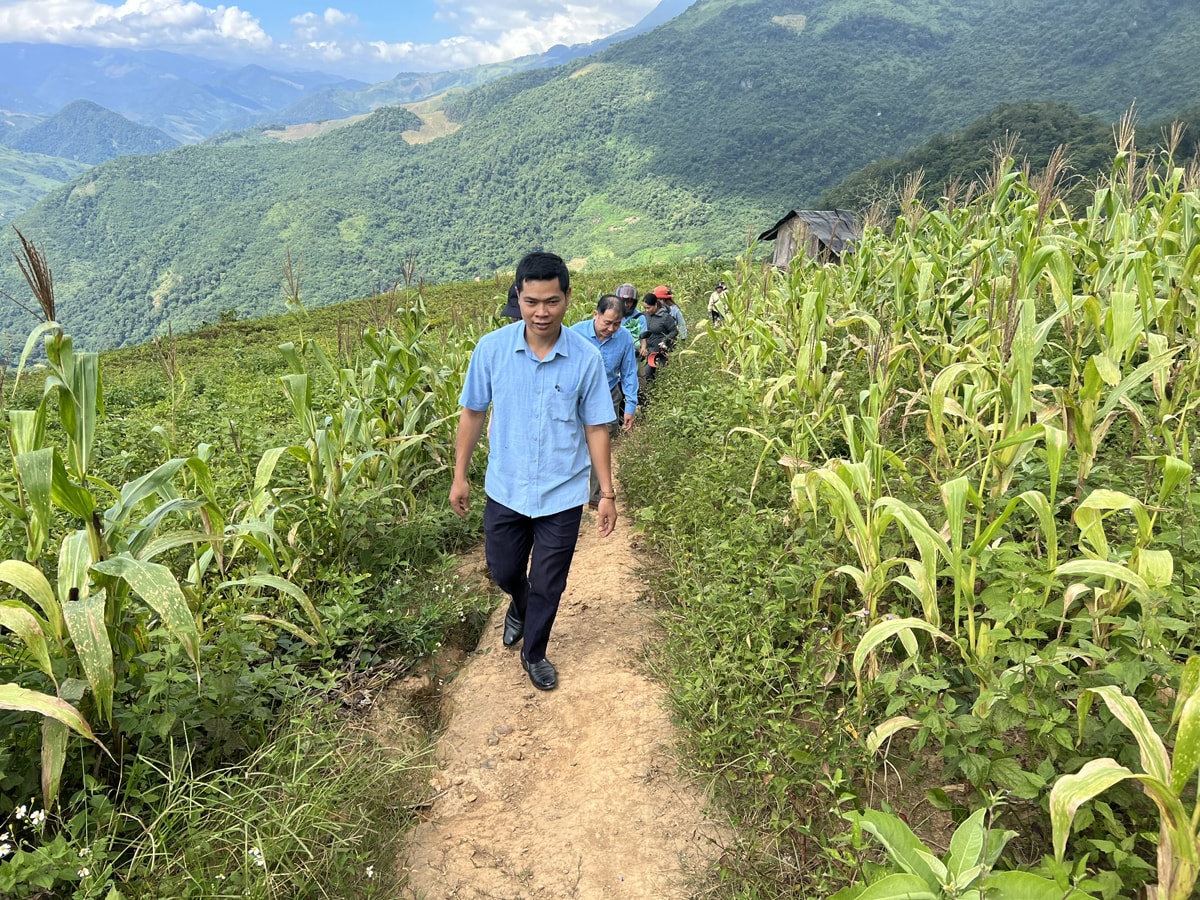
Nậm Cắn commune simultaneously coordinates closely with the police and border guard forces, effectively promoting the role of 4 collectives and 30 households in self-managing the border and boundary markers, as well as 6 self-governing security and order groups in villages and hamlets, in combating various types of crime. In addition, it effectively implements programs and projects to support production development, building and replicating economic development models suitable to local conditions and climate, such as raising cattle and mountain goats, growing peaches for fruit and branches, cultivating taro, purple peanuts, and local purple corn; promoting traditional brocade weaving... to realize the goal of "peace for the people, prosperity for the villages".

With 23,099km of border shared with Noọng Hét district (Xiêng Khoảng province, Laos), the Party Committee and government of Nậm Cắn commune focus on strengthening diplomatic activities to solidify friendship and ensure security and order in the border area. In particular, the Nậm Cắn commune Party Committee has directed the organization of fraternal relations between Tiền Tiêu and Huồi Pốc villages (Nậm Cắn commune) and Loọng Quạng and Thăm Poọng villages – Noọng Hét Tây cluster, Noọng Hét district; and between the Nậm Cắn commune Women's Union and the Noọng Hét Tây cluster Women's Union. Periodically, the fraternal units hold meetings to exchange information and coordinate efforts to effectively prevent illegal border crossings, violations of territorial sovereignty, resource exploitation, and environmental damage; and to combat illegal migration, land disputes, and illegal logging between the people of the villages on both sides of the border.
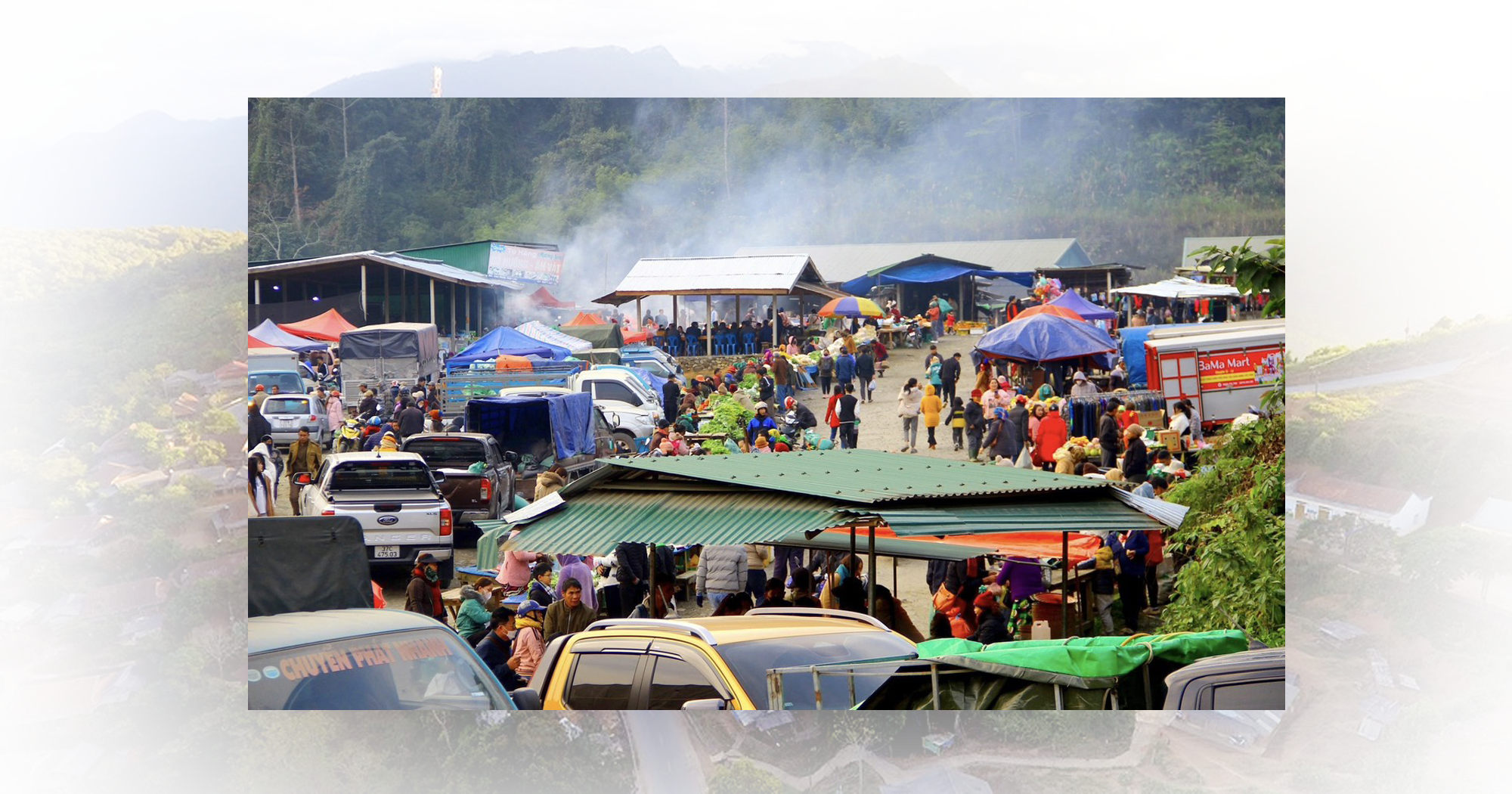
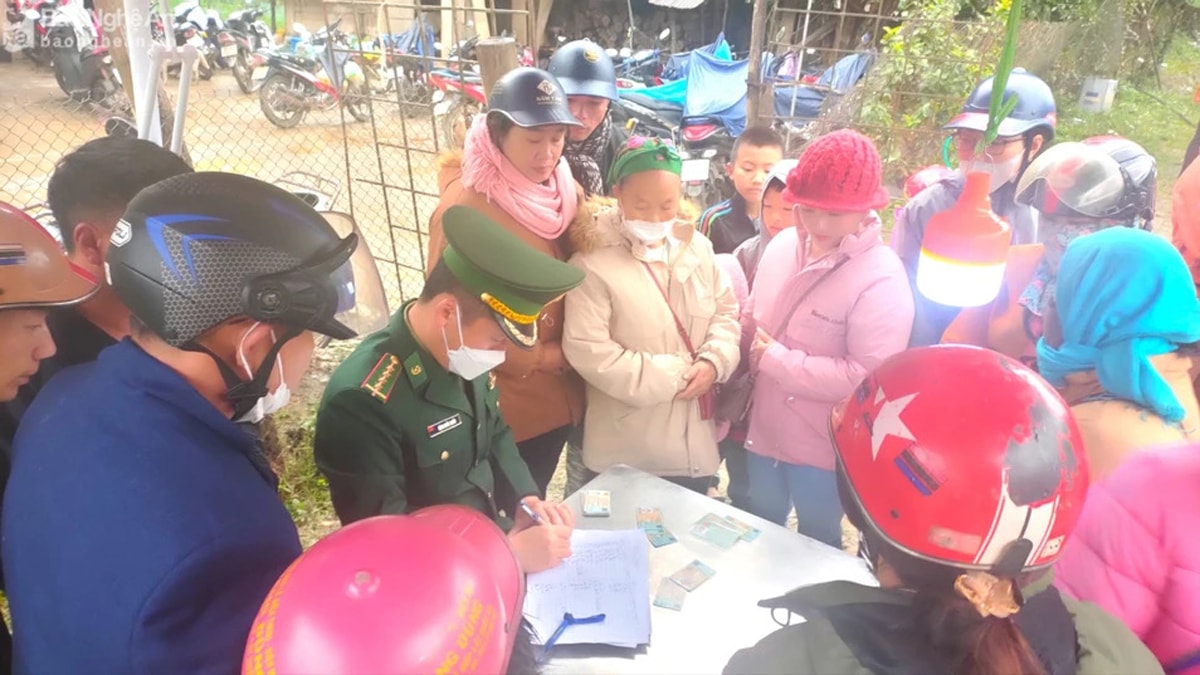
Both sides also support each other in economic development and the consumption of goods. The Nam Can border market, held every Sunday, has become a place for trade, exchange of goods, and cultural exchange between people on both sides of the border. Security and order in the market area are always ensured. Recently (from January 14, 2024), to maintain and ensure political security and social order; manage the activities of people and vehicles crossing the border and participating in activities at the Nam Can border market; and prevent and combat illegal activities related to illegal entry and exit, the Nam Can International Border Gate Border Guard Station (Nghe An Border Guard Command) has implemented the issuance of access cards to the border market area.
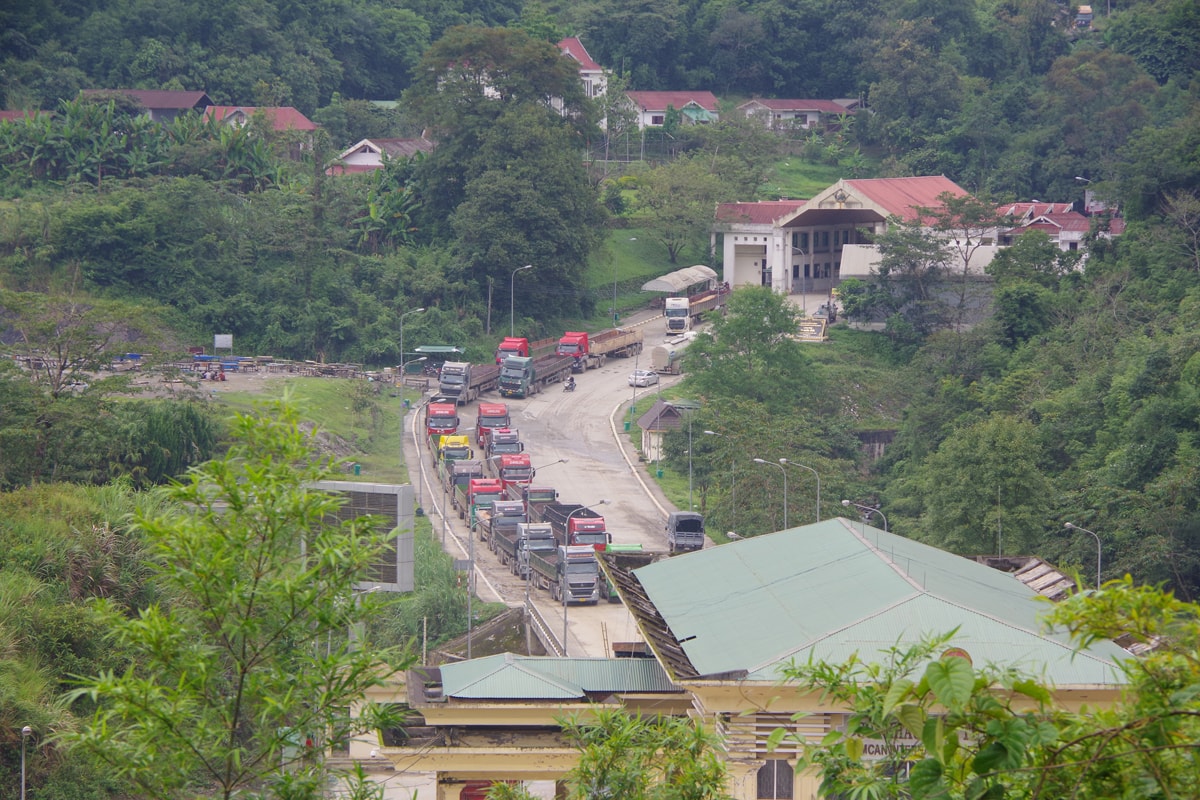
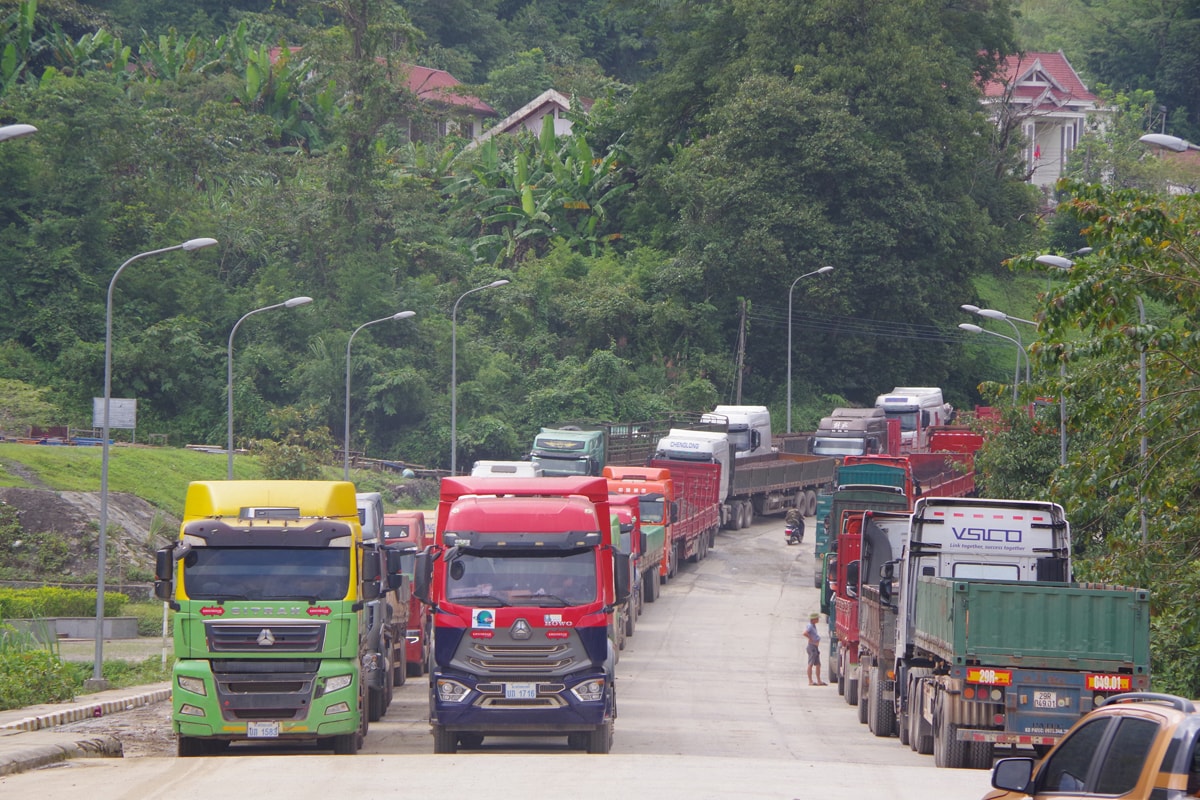
Several emerging issues were also addressed through joint efforts. For example, over the past year, an average of 100-200 large-capacity tractor-trailer trucks and container trucks carrying ore from Laos to Vietnam have passed through the Nam Can International Border Gate daily. The queues of vehicles waiting for import/export procedures and cargo handling stretch for 3-6 km from the border gate through the villages of Tien Tieu, Truong Son, and Khanh Thanh in Nam Can commune, often occupying half the width of National Highway 7A. According to local leaders, the narrow road and reckless driving have resulted in five traffic accidents, affecting public order and security in the area. Therefore, the local authorities have requested solutions from higher levels of government to ensure the smooth flow of traffic while preventing congestion and accidents.
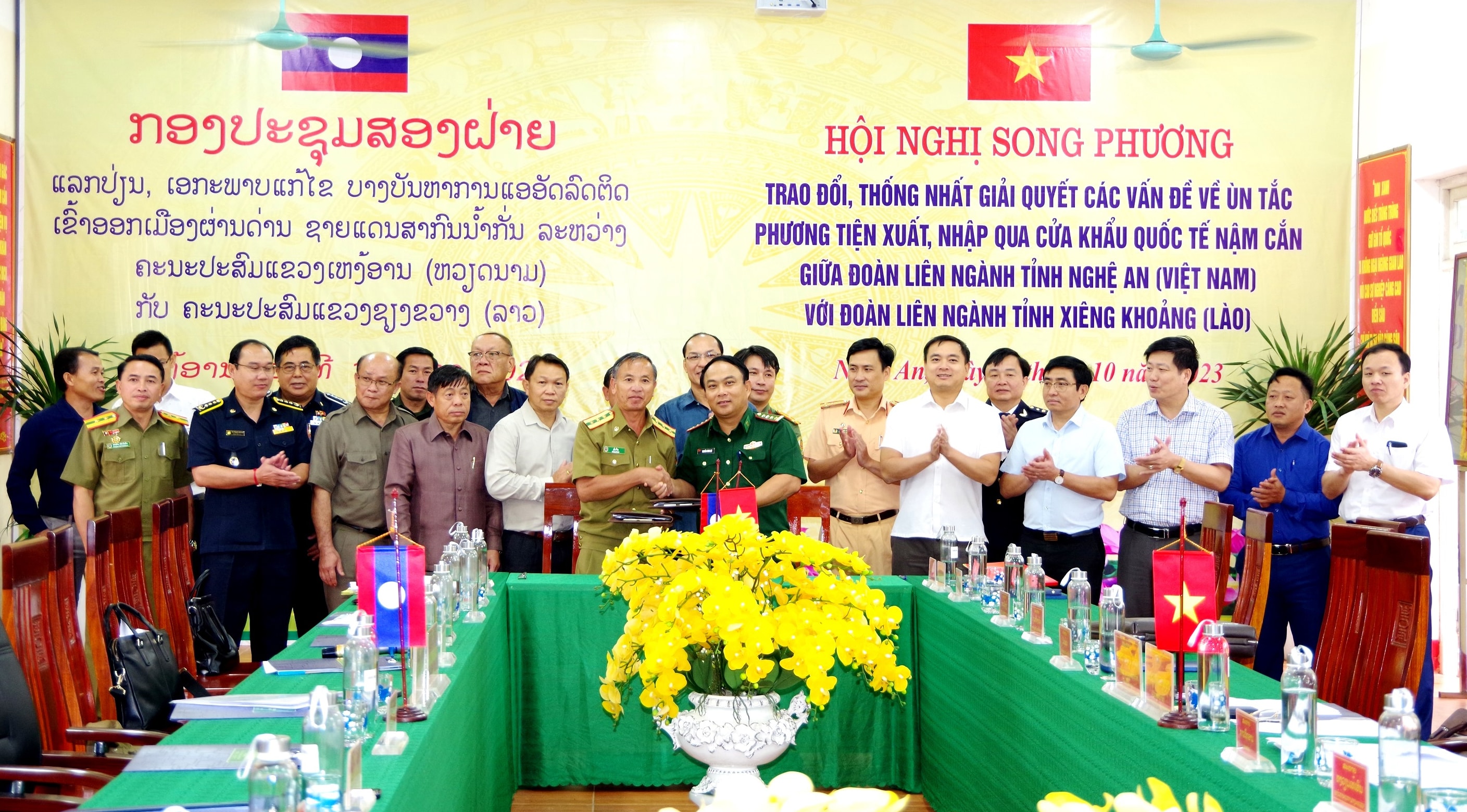
Following this, the inter-agency delegation of Xieng Khouang province (Laos) and Nghe An province (Vietnam) also held a bilateral conference to exchange and agree on solutions to the congestion of vehicles entering and exiting through the Nam Can International Border Gate. Both sides agreed to request the competent authorities to promptly conduct a survey and supplement the new planning for the border gate area, aiming to maximize the scope of the border gate area, expand the border market area without affecting the border markers, and invest funds to build infrastructure to ensure that vehicles and goods can gather while awaiting customs clearance for entry and exit procedures on each side…
The coordinated and effective solutions implemented by local authorities and law enforcement agencies have contributed to bringing peace and promoting socio-economic development in Ky Son district, a frontier area still facing many difficulties.