
Prolonged drought leaves well diggers in Nghe An 'overwhelmed with work'.
(Baonghean.vn) - With the prolonged hot weather, well digging offers many opportunities for livelihood, but also poses numerous dangers.
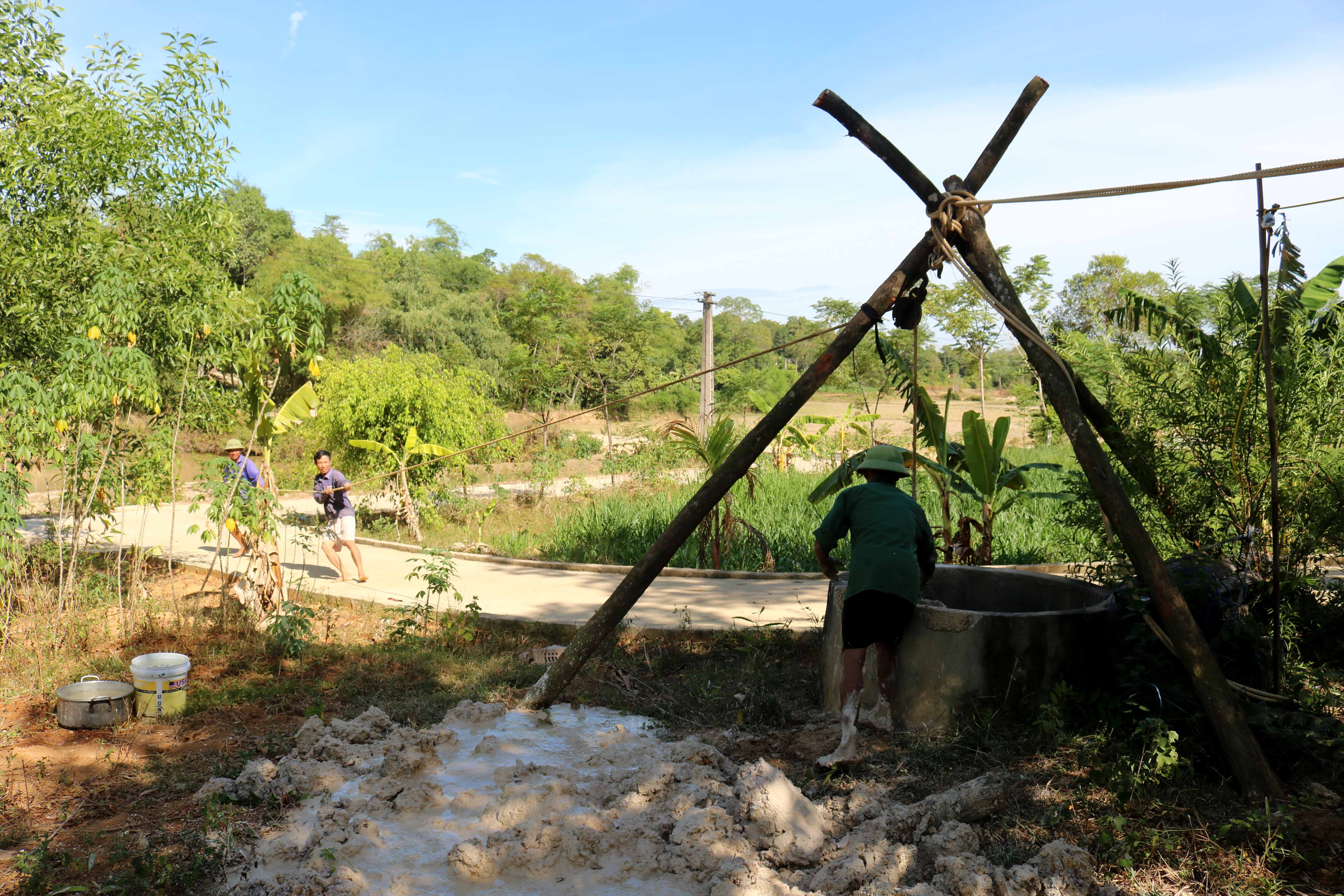 |
| During the recent hot weather, well diggers everywhere were overwhelmed with work, some digging new wells, others deepening existing ones... Every team of diggers worked tirelessly all week. Photo: Huy Thu |
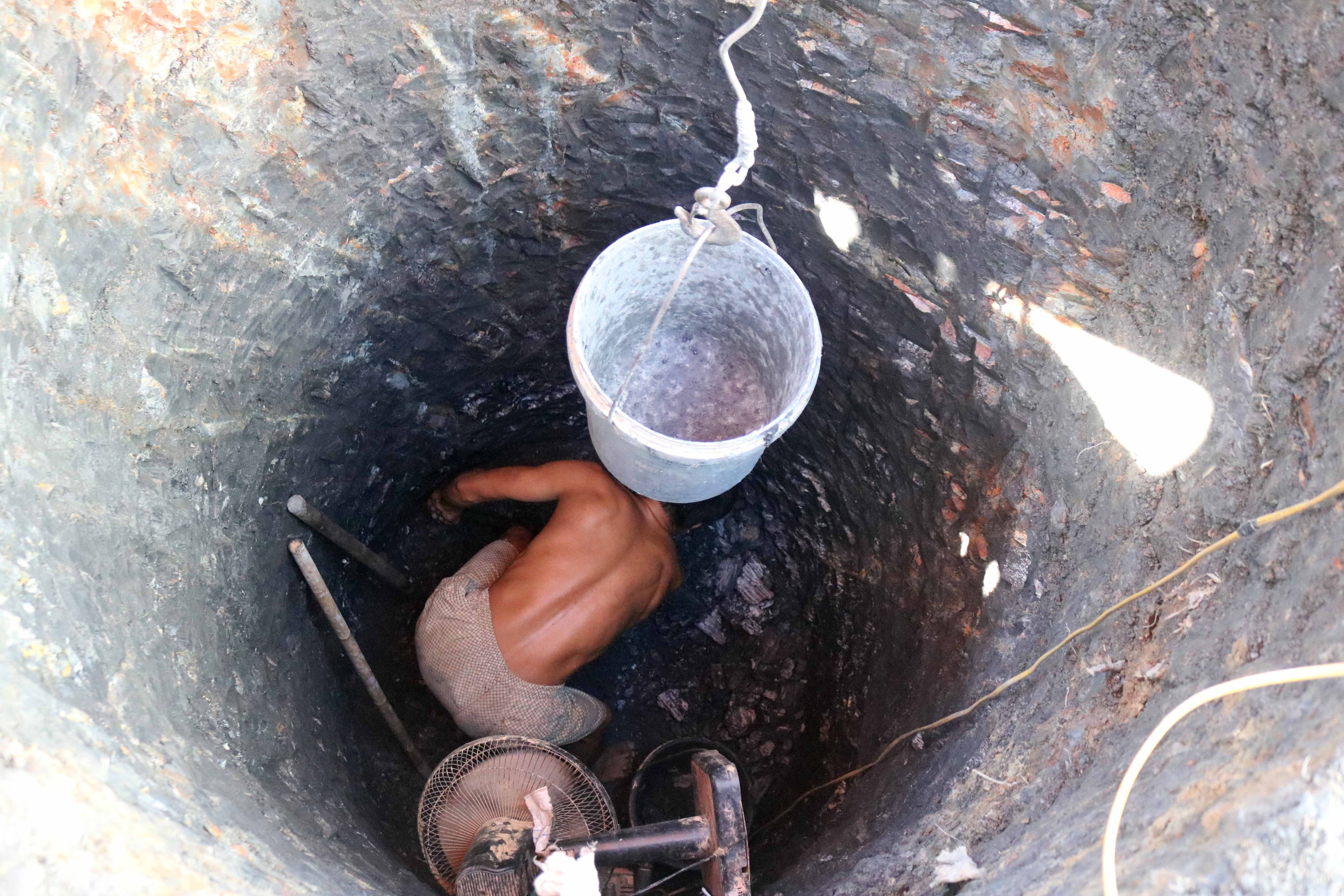 |
| Unlike those who simply transport drilling equipment, assemble it, and begin drilling, well diggers must personally dig deep into the ground. Therefore, completing a well requires considerable effort. Shallow wells take 3-5 days to dig, while deep wells take 8-10 days, sometimes even half a month. Photo: Huy Thu |
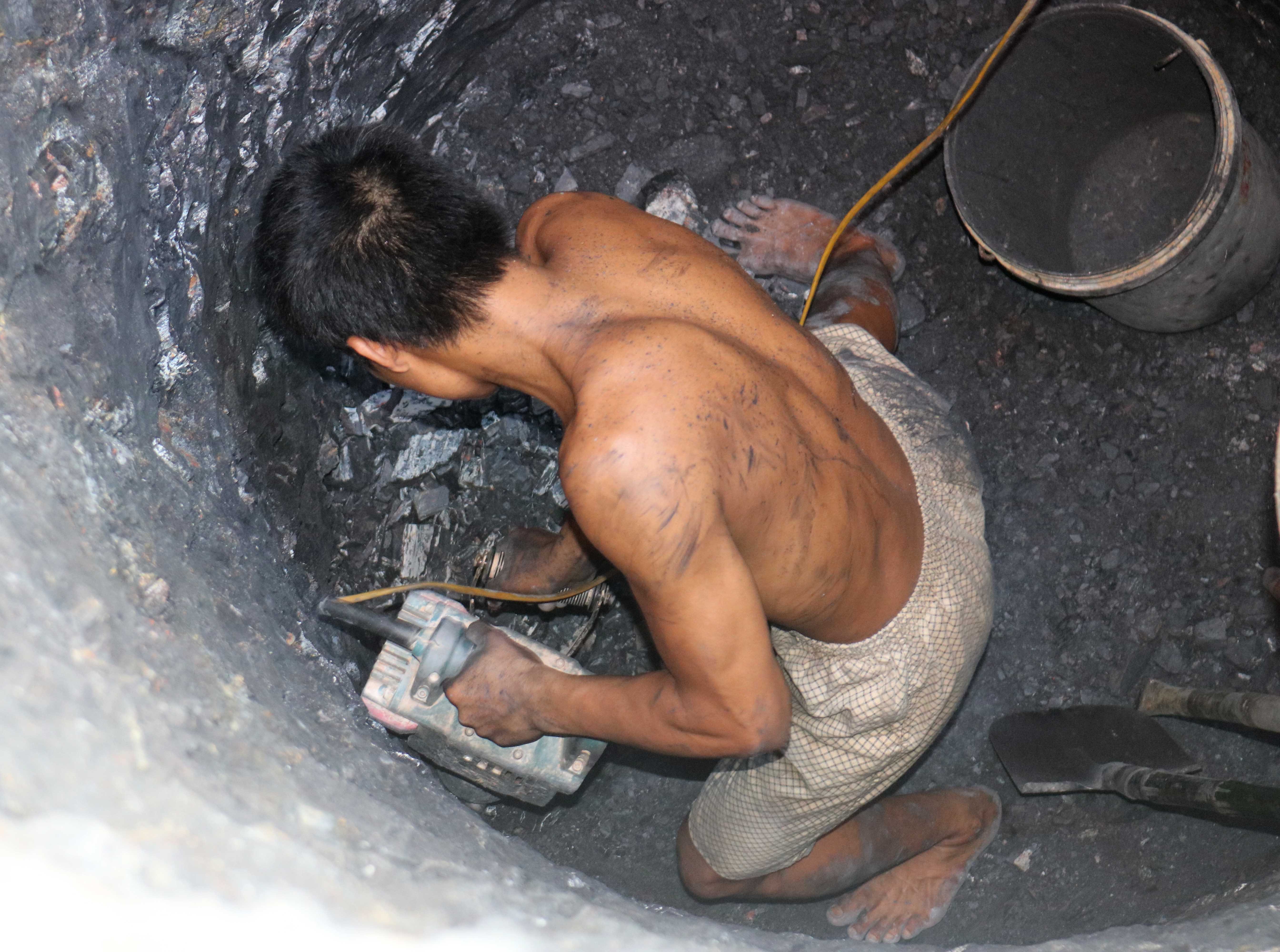 |
| At the bottom of the well, the workers struggle with tools such as drills, hoes, crowbars, and shovels to dig the soil. The harder the soil and the smaller the area, the more difficult it is to dig, especially in hilly or rocky soil. Areas with soft soil that are easy to dig also pose a risk of collapse. Depending on the well's size, soil type, and depth, a worker can dig from 0.5 to 2 meters deep per day. Photo: Huy Thu |
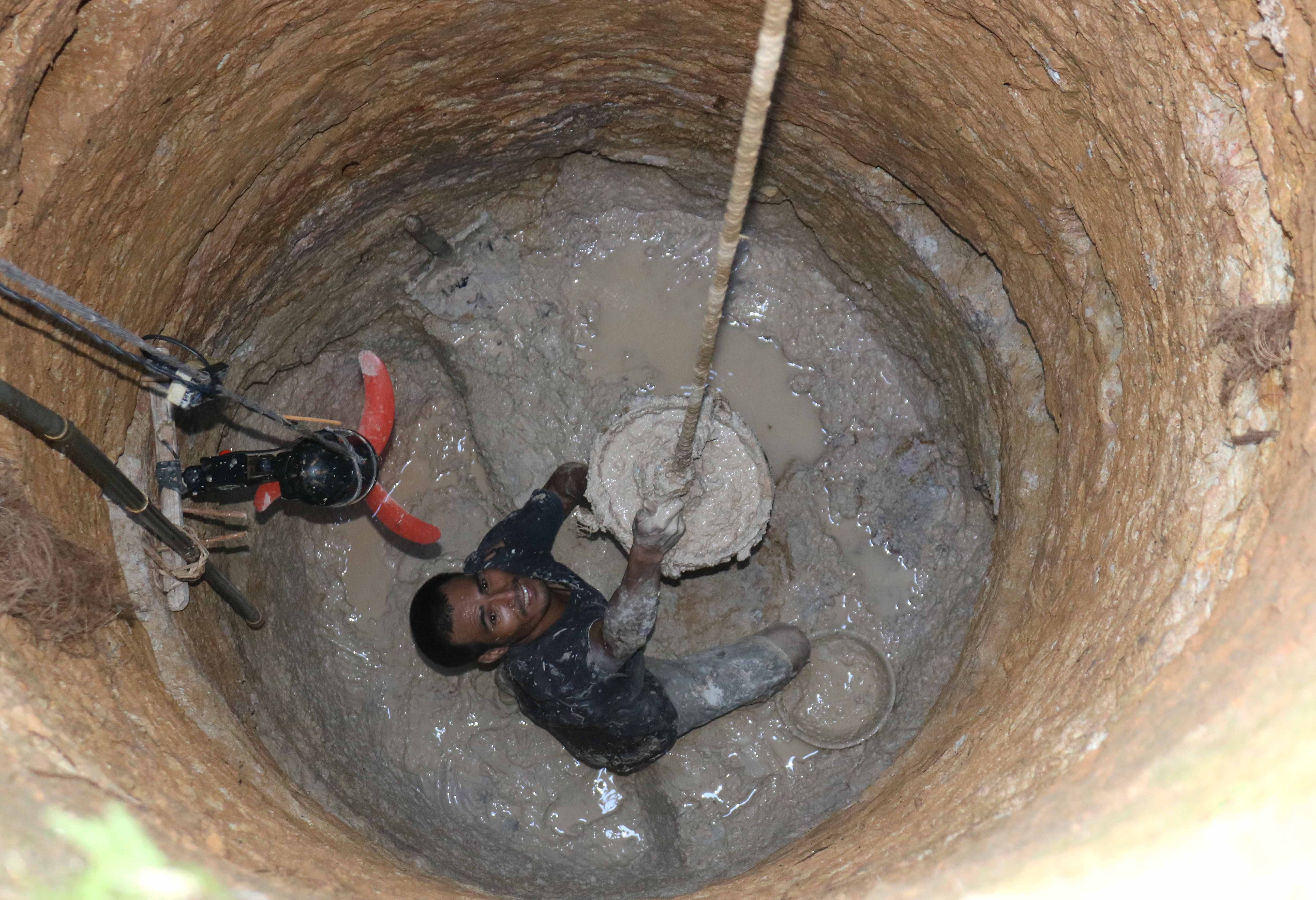 |
| The deeper they dig, the lower their productivity becomes. If it rains while digging a well, or if they're digging into an existing well, the workers often struggle with muddy, slippery soil, sometimes having to dig and scoop water at the same time, which is quite laborious. Photo: Huy Thu |
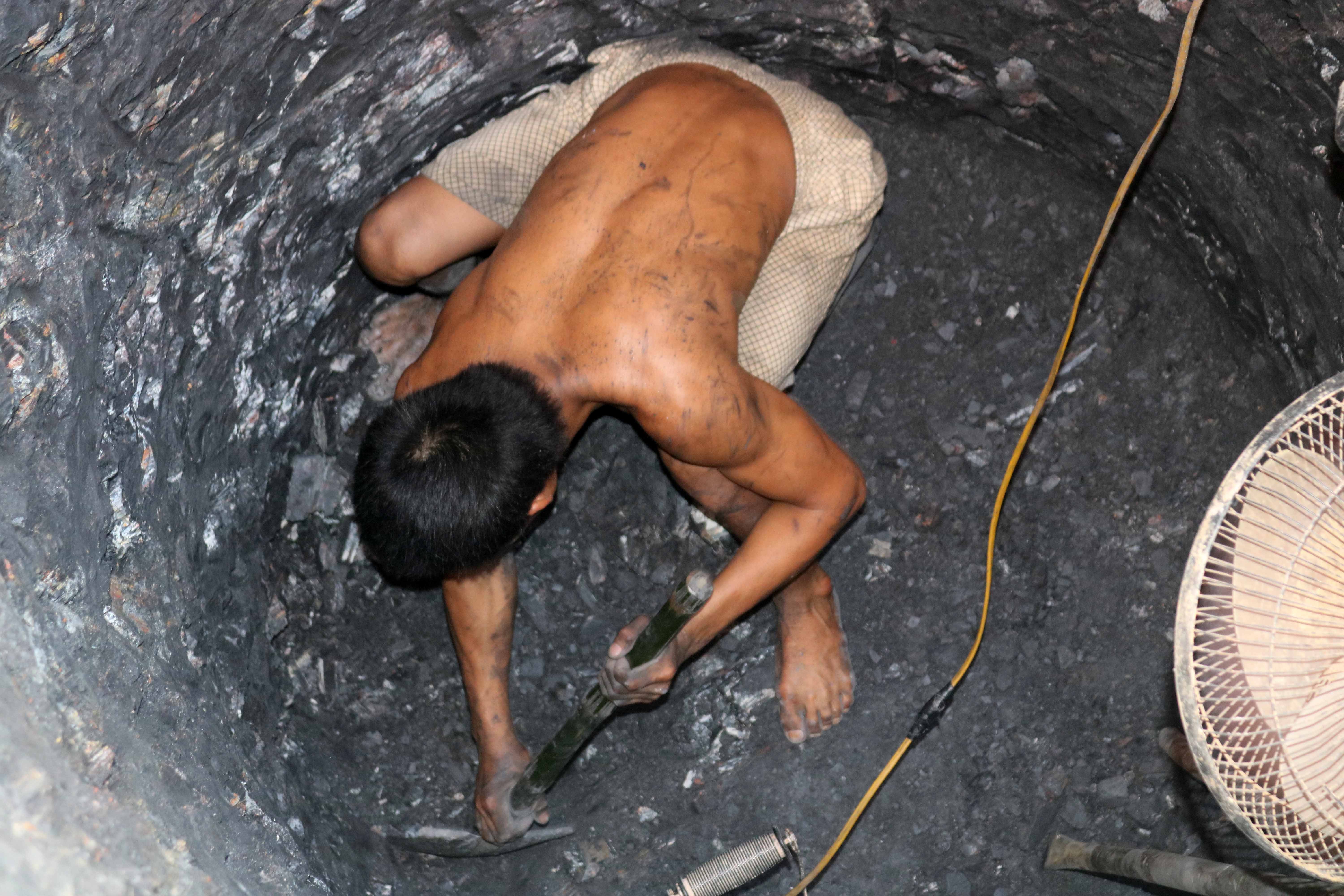 |
When working in a well, usually only one main worker handles everything, drilling, digging, shoveling soil, carrying rocks, etc. The main worker has a very hard job because they have to work very hard and face many dangers lurking inside and above the well. Many groups of workers only have one main worker, so there will be no one to take turns during the work process. Photo: Huy Thu |
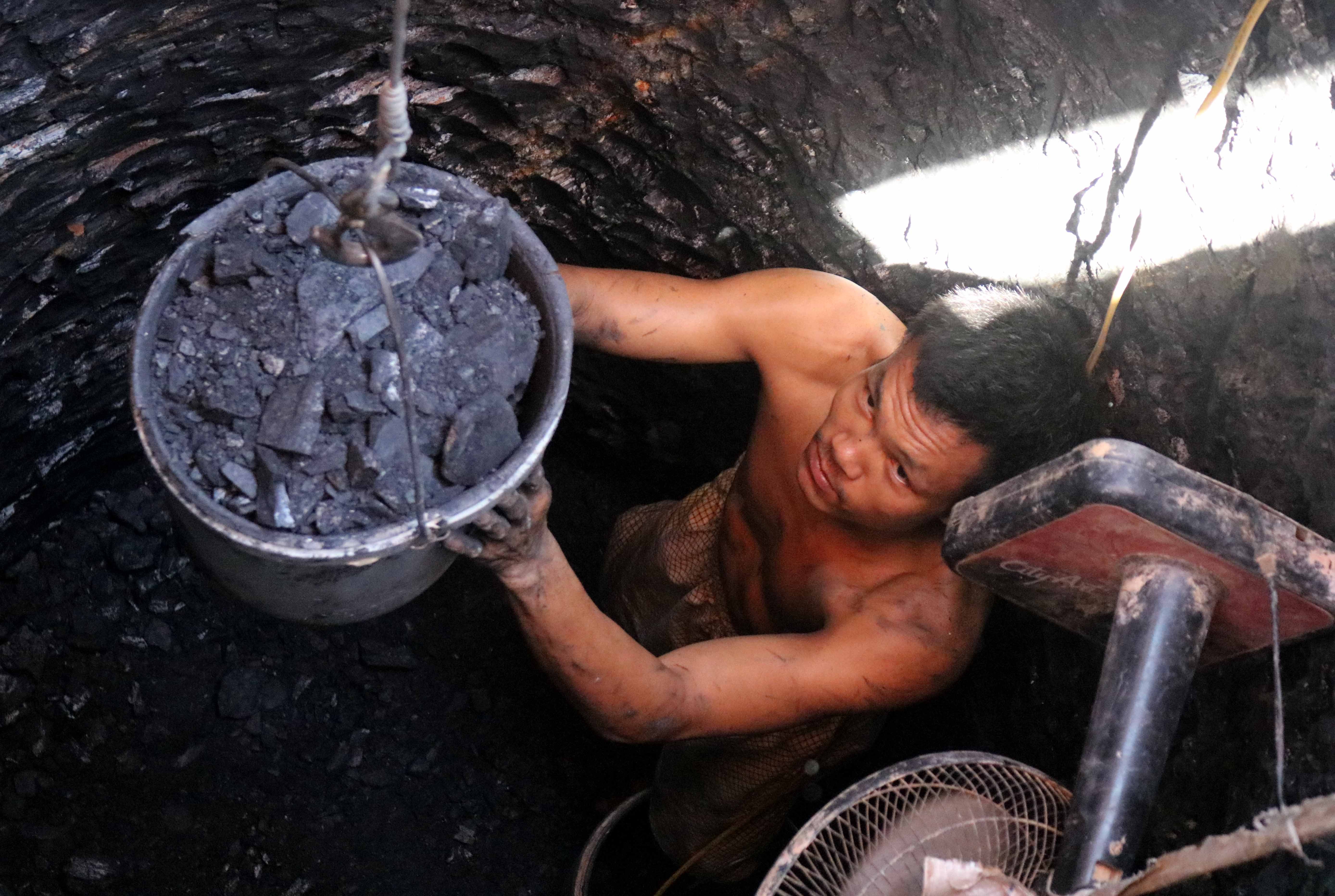 |
| Mr. Nguyen Van Ty (35 years old), from Thanh Dong commune, Thanh Chuong district, said that he has been working as a well digger for 16 years. To succeed in this profession requires physical strength, perseverance, diligence, and a degree of daring and courage. "Some wells are dug to a depth of 30 meters, dark and lacking air; if you're not daring, you can't work at the bottom of the well," Mr. Ty shared. (Photo: Huy Thu) |
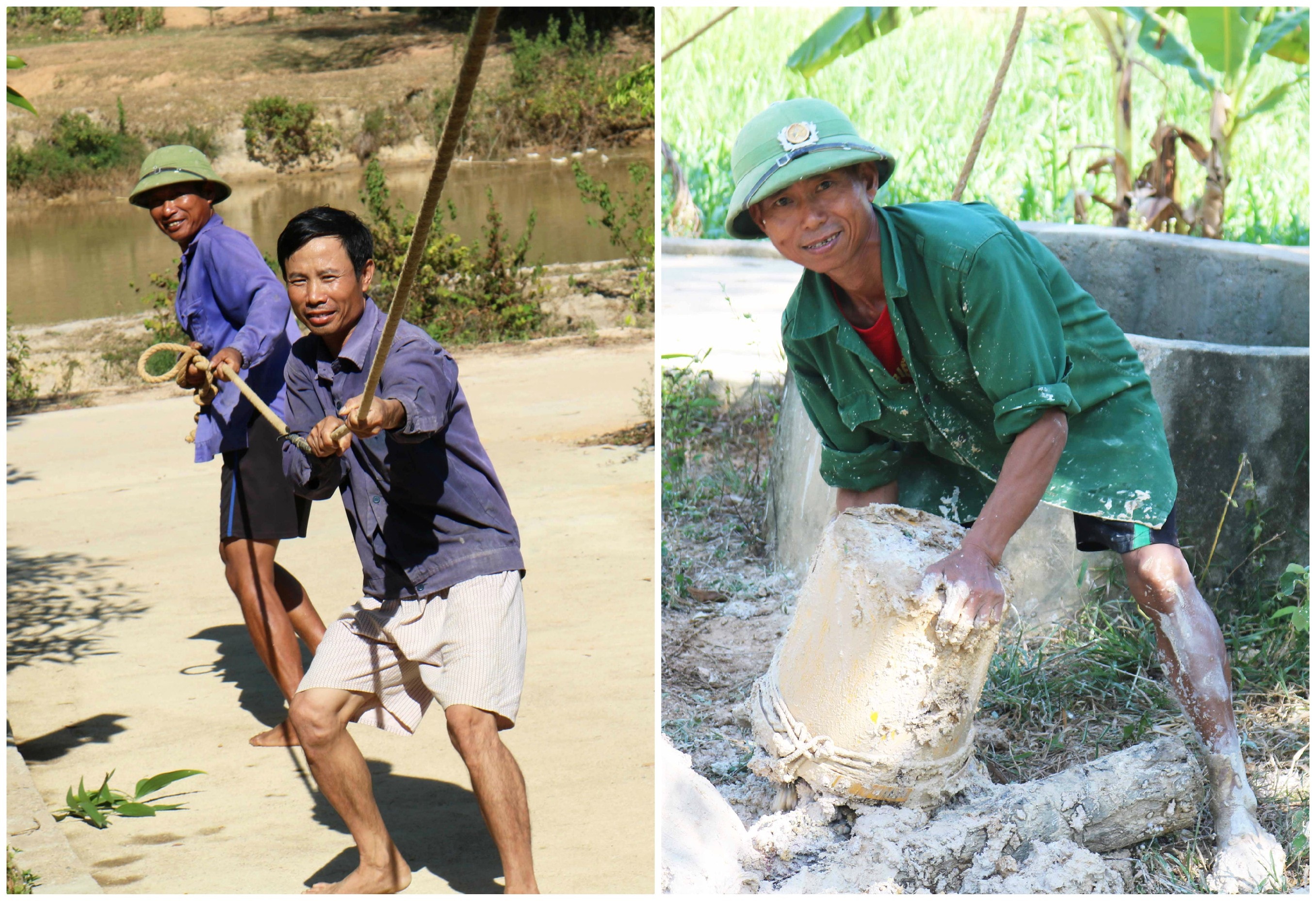 |
Well diggers usually work in groups of three (one to dig, one to operate the pulley, and one to dump the excavated soil). Groups that rely on manual labor to pull the soil face considerable hardship; however, if they can afford a winch, the well-digging process is faster and less strenuous. (Photo: Huy Thư) |
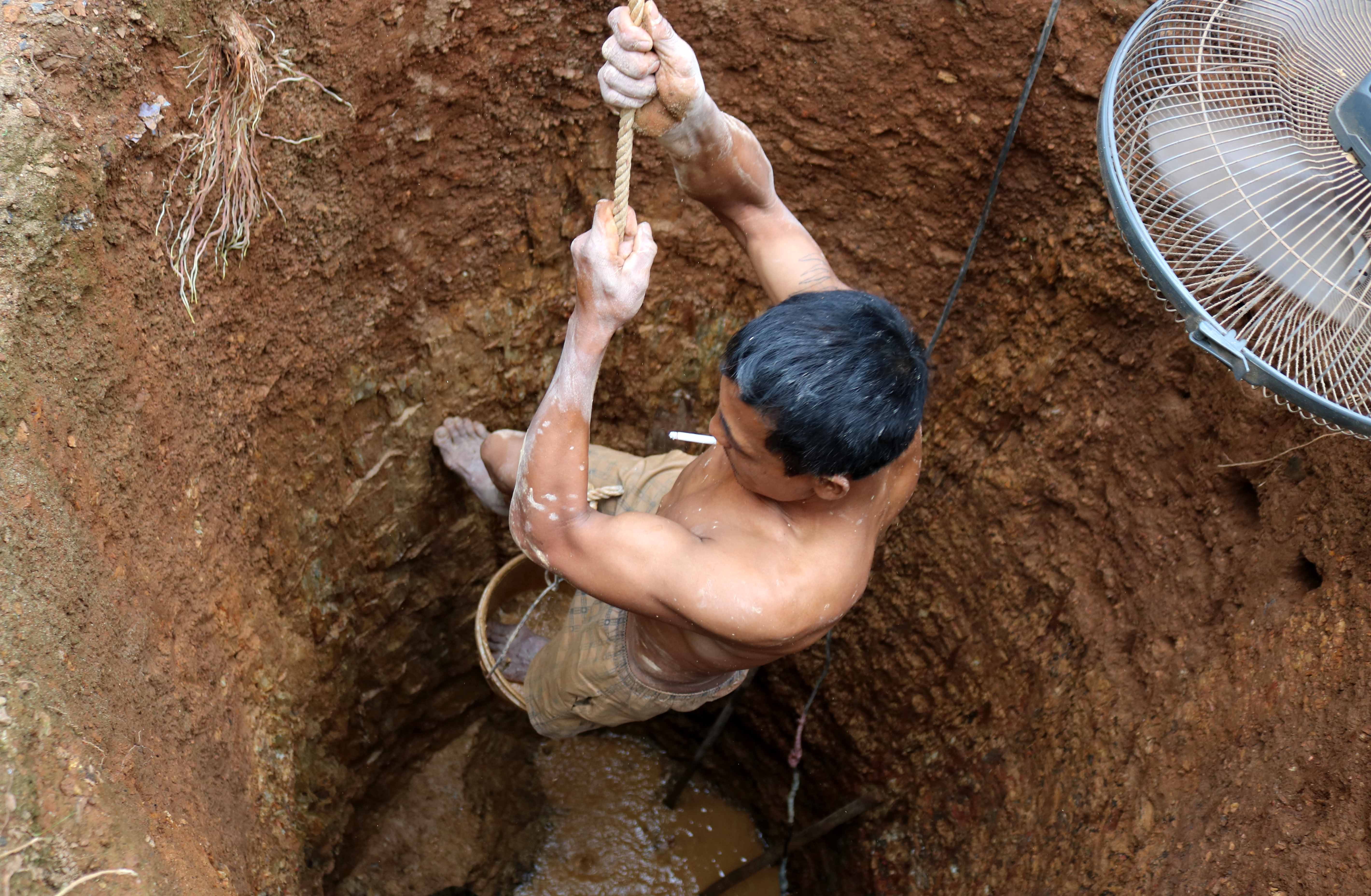 |
| Nguyen Xuan Khoa (46 years old), a professional well digger in Xuan Lam commune, Nam Dan district, said: "This season, drought is widespread, and the demand for well digging is high, but our group can only meet the needs of a few households in the district. Well digging is hard work, difficult, and fraught with risks and accidents such as injuries, electric shocks, asphyxiation from toxic gases, well collapses... but because of the need to make a living, we still have to stick with the profession." Photo: Huy Thu |
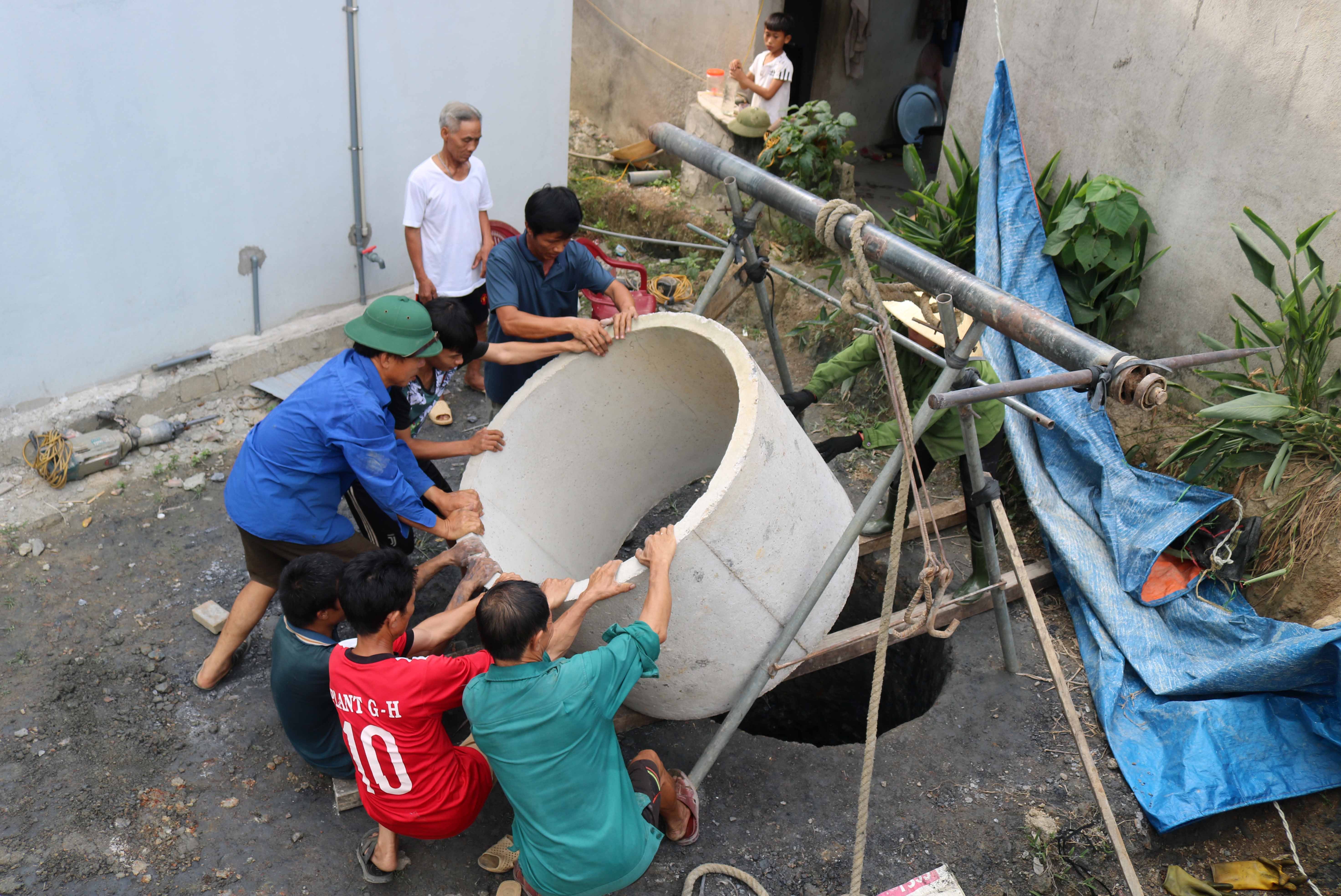 |
| When digging wells, people often install culverts to prevent erosion. Depending on the region, they install the culverts from the bottom to the mouth of the well; in some places, they only install 5-7 culverts at the top. Well diggers not only know how to dig but also how to install the culverts. Photo: Huy Thu |
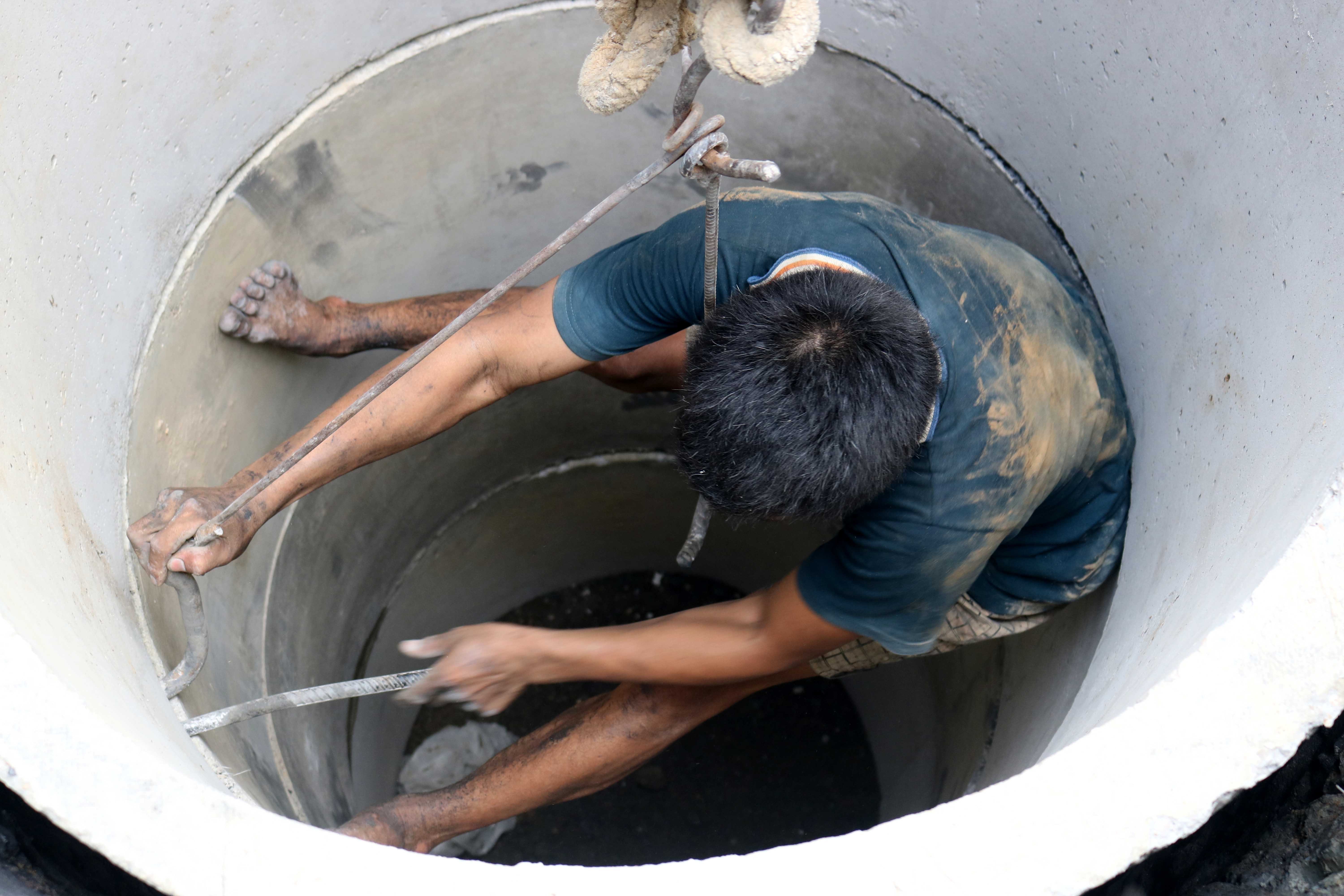 |
| After laying the pipes, well diggers have to sit inside the pipes to work. Many wells need to be dug to a depth 4-5 times the length of the pipes already laid. Depending on the area, soil type, whether it's a new well or an old one, the well digging fee ranges from 600,000 to 1,500,000 VND per meter (depth). Photo: Huy Thu |
| The hardships of making a living "underground". Video: Huy Thu |


