

Beware of pineapple poisoning.
Pineapple is a fruit enjoyed by many. According to medical science, pineapple also has many health benefits. However, certain precautions should be taken when eating pineapple to avoid the risk of poisoning.
Depending on the region, it is called pineapple, fragrant fruit, or simply pineapple. Its scientific name is Annanascomosus (L) merr (ananas sativus schult F). It is cultivated throughout tropical countries and is native to Paraguay and southern Brazil. In Vietnam, pineapples are widely grown throughout the country, distributed from Phu Tho to Kien Giang. Tien Giang province is the leading pineapple producer in the country.
The pineapple is actually the axis of the flower and the fleshy bracts that have fused together. The true fruit is the "pineapple eyes." Pineapples are juicy, have a delicious sweet and sour taste, and a distinctive aroma, making them one of the most popular fresh fruits. Traditional Chinese medicine classifies pineapple as having a sweet and astringent taste, a neutral nature, and the effect of quenching thirst, aiding digestion, and stopping diarrhea. Pineapple enzymes help the stomach break down proteins, making food easier to digest. Eating pineapple after eating a lot of meat and fat is very beneficial. In addition, the sugars, salts, and enzymes in pineapple also have diuretic effects and treat nephritis, high blood pressure, and edema. It also has a supportive therapeutic effect for bronchitis and coughs.
Studies have shown that enzymes in pineapple have the potential to treat heart disease by dissolving blood clots that lead to heart attacks. Reports indicate that in a study of 140 heart patients treated with this method, only 2% died from heart attacks, compared to 20% before treatment. Vietnamese books also recommend that people with high blood pressure eat pineapple daily for its diuretic effect.
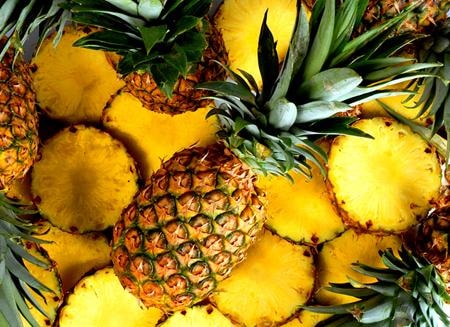 |
Drinking a glass of pineapple juice or eating half a ripe pineapple every day can replace anticoagulant medications (coumarin, warfarin, etc.), which often cause bleeding side effects (therefore, pineapple should be avoided by people with bleeding disorders).
Other research findings also indicate that the entire pineapple contains bromelain. Studies from the 1960s and 1970s identified pineapple bromelain as having anti-edema and anti-inflammatory properties. Since then, several pharmaceutical companies have introduced dietary supplements containing pineapple extract to address cellulitis and dissolve unsightly fat deposits. However, no studies have definitively confirmed pineapple's ability to dissolve these unsightly fat deposits.
Pineapple promotes wound healing; some of its enzymes accelerate the healing of skin wounds or burns. For example, in mice with burns, pineapple extract helped to cleanse a wound within 4 hours, removing foreign objects and dead tissue to prevent further damage and promote healing. Bromelain also reduces swelling, bruising, and pain.
Women who marry late or after giving birth to their second or third child, and who experience menstrual irregularities, should consume pineapple as a refreshing drink. Pineapple is rich in magnesium, which helps reduce heavy bleeding, limit blood loss, and prevent low blood pressure.
After tonsil surgery or if the singer has swollen tonsils, reducing the intensity of their voice by eating ripe pineapple or drinking pineapple juice twice a day (evening and early morning) will help them regain their voice quickly.
Fresh pineapple has antibacterial and antiviral properties against the common cold, lubricates intestinal peristalsis, and purifies cholesterol, thus helping to eliminate toxins and food waste from the colon, and preventing intestinal inflammation, among other benefits.
However, it's important to note that pineapple should not be eaten or drunk on an empty stomach because the organic acids and bromelin in pineapple strongly affect the stomach and intestinal lining, easily causing nausea and discomfort. Pregnant and breastfeeding women should not consume excessive amounts of fresh pineapple (2 slices, 30g) or overripe pineapple (20g). The pepin contained in pineapple juice is a double-edged sword. While it can treat sore throats and regenerate laryngeal tissue, it can lower estrogen levels, leading to blocked milk ducts, and reduce magnesium levels, potentially weakening the fetus.
Because pineapple has fibrin-breaking and anticoagulant properties, some sources advise that people with bleeding disorders or at risk of bleeding (those prone to nosebleeds, dengue fever, large wounds, women with postpartum hemorrhage, etc.) should not eat pineapple.
In fact, some people have experienced adverse reactions, even death, after eating pineapple, which is pineapple poisoning. This means that 30-60 minutes after eating pineapple, they feel unwell, tired, itchy all over their body, and the itching persists even after scratching until the skin bleeds, along with hives. Digestive symptoms include severe abdominal pain, vomiting, and diarrhea. Respiratory and circulatory symptoms may include a rapid, weak pulse, difficulty breathing, and low blood pressure.
In mild cases of poisoning, the victim will recover in about 3 hours. In severe cases, the victim will experience difficulty breathing, cardiovascular collapse, unconsciousness, and death. Therefore, people sometimes believe that the victim ate pineapple sprayed with snake venom. In reality, the culprit is a highly toxic fungus. This fungus is commonly found on damp ground, thriving in the summer, coinciding with the pineapple ripening season. Pineapples grow close to the ground, and after harvesting, they are also left on the ground. The rough skin and hollow areas of the pineapple eyes provide ideal habitats for the fungus. Furthermore, the moisture, high sugar content, and acidic pH of the pineapple cells create favorable conditions for the poisonous fungus to grow. If the pineapple is bruised, the cell sap seeps out, allowing the fungus to grow and penetrate deep into the fruit, causing poisoning.
To prevent these complications, choose fresh, undamaged pineapples. Do not eat bruised pineapples. Peel the pineapple completely, cut deeply to remove all the eyes, then rub with a little salt and rinse thoroughly before cutting and eating. Also, do not eat a lot of pineapple on an empty stomach. Pregnant women may be allergic to pineapple; this is the body's reaction to the protein in pineapple.
Symptoms of pineapple allergy include: abdominal pain, diarrhea, and possibly generalized itching; you may also experience numbness in the tongue, difficulty breathing, etc. Therefore, to avoid pineapple allergy, after peeling, cut the pineapple into pieces and soak them in lightly salted water for 10-30 minutes. Doing so not only prevents the burning sensation on the tongue when eating pineapple, but also makes the pineapple taste more fragrant and delicious. If you have an allergic predisposition, it is best to consume processed pineapple (stir-fried, in soup). Under the effect of heat, the allergenic potential of pineapple will be reduced.
According to Vietnam Agriculture