
Discomfort after eating - What medication should I use?
Sometimes it's just a symptom of eating too much, too quickly, eating too much fat, eating sour fruit, or something similar...
Sometimes it's simply a symptom of overeating, eating too quickly, consuming too much fat, eating sour fruits, or eating certain spices or foods that are incompatible and difficult to digest.
Many people often complain about feeling sluggish and having indigestion after eating, especially during the Lunar New Year holiday. This syndrome is often a symptom of various digestive disorders. However, sometimes it is simply a sign of eating too much, too quickly, consuming too much fat, eating sour fruits, or eating certain spices or foods that are incompatible and difficult to digest.
If a patient experiences symptoms such as abdominal pain, discomfort, nausea, bloating, or abdominal distension, they should see a doctor to determine the specific cause. Indigestion can also be related to psychological stress, fatigue, inadequate nutrition, and a sedentary lifestyle. Therefore, careful consideration is needed before deciding on medication.
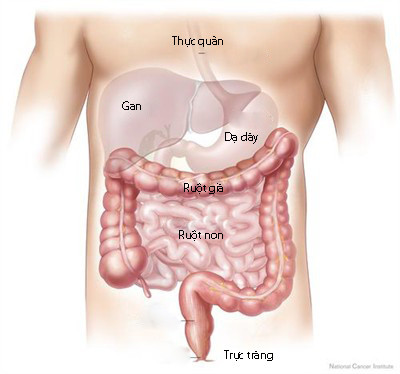 |
Poor bowel motility often causes discomfort after eating.
This condition is closely related to several gastrointestinal diseases such as peptic ulcers, gastroesophageal reflux disease, and indigestion with bloating. In such cases, medication should be used according to a specific treatment protocol. The use of certain anti-inflammatory and pain-relieving drugs to treat other conditions can also cause adverse drug reactions, especially when using non-steroidal anti-inflammatory drugs (NSAIDs), glucocorticoids, and antibiotics. These can cause gastrointestinal ulcers and also lead to adverse effects such as discomfort after meals, indigestion, belching, and nausea.
Common medications used to treat this condition include:
- Antacids: These are basic compounds that neutralize the HCl present in gastric secretions. Commonly used are aluminum salts, magnesium salts, calcium carbonate, or sodium carbonate (nabica). However, it should be noted that nabica should not be used by people with high blood pressure, heart disease, liver failure, or during pregnancy due to its high sodium content.
- Anti-ulcer medications: commonly used are drugs that inhibit gastric acid secretion, such as proton pump inhibitors (omeprazole, lansoprazole, esomeprazole, pantoprazole...), and H2 receptor blockers (cimetidine, famotidine, ranitidine...).
- Probiotics: commonly used are substances such as domperidone, metoclopramide, itopride, mosapride, and tegaserod. These drugs are very effective in stimulating gastrointestinal motility, helping food to be mixed quickly and preventing bloating and indigestion.
- Anti-flatulence medications: commonly used are simethicone, dimethicone, and sena, which are effective in eliminating gas buildup in the digestive tract, increasing flatulence, and reducing discomfort for patients.
- Digestive aids and treatments for indigestion: commonly used are digestive enzymes such as amylase, diastase, biodiastase, cellulase, lipase, and protease. Additionally, pancreatin can be used to aid digestion by reducing its breakdown by gastric acid. People who frequently experience discomfort after meals, bloating, abdominal distension, and sluggish digestion can also use certain herbal teas, ginger, or natural supplements to detoxify the body, promote bile production, and act as diuretics to facilitate digestion.
People who experience discomfort after eating should change their eating habits, eating slowly, chewing thoroughly, and avoiding excessive amounts of stimulants or spices that cause indigestion. They should take a slow walk after meals, avoiding inactivity and lying down immediately after eating. Wear comfortable clothing, avoiding tight clothes, underwear, or belts that hinder movement and digestion. During the Lunar New Year, consume foods that easily cause bloating, such as sticky rice cakes, pork trotters, fatty meats, various types of sausages, and sweets in moderation.
According to MSc. Le Quoc Thinh - Health & Life