
Conflicting food and drug pairings
When taking medication, some people often take it with certain foods, thinking it will enhance the drug's effect, or because they dislike the bitter taste, they consume it with other drinks or foods... but sometimes this unintentionally causes adverse effects.
When taking medication, some people often take it with certain foods, thinking it will enhance the drug's effect, or because they dislike the bitter taste, they consume it with other drinks or foods... but sometimes this unintentionally causes adverse effects.
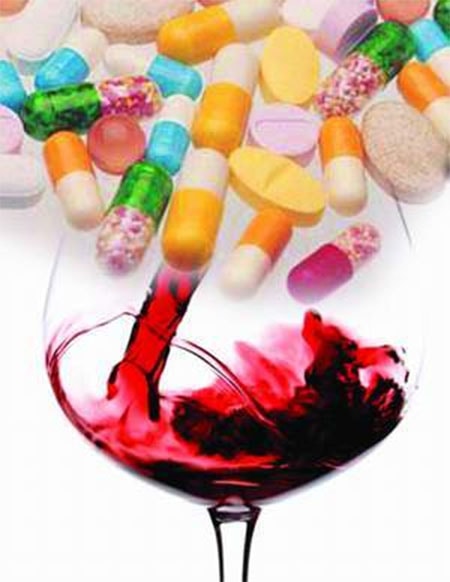 |
These medications should not be taken with alcohol.
1. Aspirin and alcohol
After alcohol or alcoholic beverages enter the body, ethanol is oxidized in the liver into acetaldehyde, which is then oxidized again into acetic acid.
Meanwhile, aspirin prevents the oxidation of acetaldehyde to acetic acid, which not only increases pain and fever but also causes significant liver damage.
2. Ibuprofen with coffee and cola.
Abusing pain relievers and anti-inflammatory drugs (NSAIDs) like ibuprofen often irritates the stomach lining, harming health. Especially when these drugs come into contact with cocaine found in coffee and cola, the stomach is stimulated to secrete gastric acid, increasing pressure on the stomach lining and causing stomach bleeding; in severe cases, it can lead to stomach perforation.
3. Calcium tablets and spinach
You should avoid eating spinach within two hours of taking calcium supplements. This is because spinach contains a high amount of potassium oxalate, which, once in the body, precipitates into calcium ions, hindering the body's absorption of calcium and leading to stunted growth and delayed development.
4. Antihistamines for allergies to cheese and meat products that are high in histidine.
While taking allergy medication, you should avoid cheese and meat products rich in histidine.
The reason is that histidine in the body is metabolized into histamine, and allergy medications inhibit the breakdown of histamine, causing this substance to accumulate in the body, leading to dizziness, headaches, and other unpleasant sensations.
5. Diuretic with bananas and oranges
When using diuretics or laxatives, small amounts of potassium remain in the blood. If you then consume potassium-rich foods like bananas and oranges, it can lead to severe potassium excess, easily causing cardiovascular complications and being extremely harmful to your health.
6. Vitamin C and shrimp
After taking vitamin C supplements, you should not eat shrimp for two hours. This is because the high amount of copper in shrimp will oxidize vitamin C, rendering the vitamin C supplements ineffective.
7. Pharmaceuticals and tobacco products
Absolutely do not smoke cigarettes for 30 minutes after taking the medication. This is because the nicotine in cigarettes will accelerate the release of harmful chemicals in the medication that damage the liver, hindering the medication from having its therapeutic effect.
According to Giadinh.net