

Traditional Sour Tamarind Soup
(Baonghean) - Silently and languidly green in the damp soil at the end of the garden or along the edge of the ditch or dry field, and then shyly bursting into patches of deep purple flowers in season, the sorrel plant remains gentle and peaceful amidst life. On hot days, a bowl of soup cooked with sorrel leaves can somewhat soothe the sweltering heat of the summer midday. This plant, as gentle as its name suggests, has become a long-standing part of our memories.
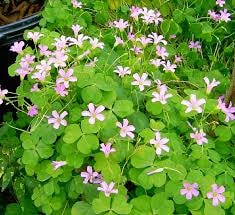
This plant, uncultivated, grows naturally in hidden corners, silently offering its sour flavor to rustic soups and as a medicinal herb. In my memories, summer arrives when tiny, lush green vines of the ground ivy sprout beneath the broad guava trees. The leaves are a vibrant green with three heart-shaped loquats, which the village children call clover. One sunny morning, the ground ivy vines burst into cool, purple blossoms. These five-petaled flowers, small and delicate like buttons, are initially pale white before gradually turning purple. Under the rustling guava canopy, ants scurry about, carrying dry leaves. Then the ground ivy fruits emerge; the children, with a pinch of salt in their hands, pick the firmest fruits, dip them in the salt, and nibble. The ground ivy fruit is more intensely sour than the leaves, and eating too much can be addictive. The ground ivy vines spread across the ground, their stems pale red and sparsely hairy. The leaves have long, slender, slightly hairy petioles. The flowers grow in clusters of 2-3, sometimes 4, purple in color, and in some places yellow. On summer afternoons wandering around looking for wild vegetables, we kids would occasionally pick the leaves of the ground ivy plant to chew on for fun. The sour taste of ground ivy leaves a sweet aftertaste.
 |
 |
I remember days long gone, around March when the sun started to get intensely hot. Whenever I caught a snakehead fish and brought it home for my mother, we'd always have a sour soup with ground tamarind leaves. After cleaning the fish, my mother would marinate it with onions, chili peppers, and other spices, then put it in a pot with just enough water (usually a few bowls) and boil it until the water boiled and the fish was cooked. Only then would she add the ground tamarind leaves. There weren't many ground tamarind leaves, only a few handfuls at most, but that was enough to make a distinctive sour soup. The soup, just cooked, was ladled into an old plastic bowl. The broth was very clear, revealing the smooth white pieces of snakehead fish, the fresh green of the ground tamarind leaves, and the fragrant aroma of onions and cilantro. The sweetness of the snakehead fish blended with the sourness of the ground tamarind, giving the soup an indescribable flavor—both rustic and refined. Sour soup with ground tamarind isn't as intensely sour as when using tamarind or starfruit, but rather gently melts on the tongue, leaving a distinctive aftertaste that is anything but bland. This rustic soup has a very distinctive flavor: the sweetness of the snakehead fish, the mild sourness of the tamarind leaves, and the spiciness of the chili peppers. Each spoonful of rice feels like a gentle, cool breeze. It's the rustic, deeply comforting, and wholesome taste of simple days gone by. If fresh fish isn't available, dried shrimp or dried anchovies can be used to make the soup with tamarind leaves, which is also a refreshing dish for summer days.
On foggy days, the market would be full of anchovies. My mother would buy a bunch of fresh anchovies, tear them in half by hand, remove the bones and heads, rinse them with salt water to firm them up, then marinate them with shallots, pepper, and fish sauce before draining. Once the water in the pot was boiling, she would add the anchovies and cook them. The aroma of pepper, shallots, and the sweet taste of the anchovies filled the air, tantalizing my senses. The soft, delicate leaves of the wild tamarind tree, picked from the garden and washed clean, were added to the soup before it was taken off the heat. The meal seemed to blend the scents of the garden and the sea around this simple, refreshing fish soup.
Though seemingly inconspicuous, the sorrel plant is also a surprisingly effective medicinal herb. I remember when I was little, I often got pimples, and my mother would go to the garden to find sorrel plants, wash them thoroughly, and crush them to extract the juice for me to drink, while applying the remaining pulp to the swollen areas to help them heal quickly. Sorrel has a cooling nature, so it is very effective in treating skin diseases such as ulcers, boils, and burns.
Then the old days passed, and for a long time no one mentioned sour tamarind soup anymore. One day in March, I unexpectedly came across the humble purple color in my friend's old garden, and I felt a pang of nostalgia for that sweet and sour soup. My heart longed to return to my childhood, to the garden of yesteryear with its small, pretty green three-leaf umbrellas, and the delicate purple blossoms nestled among the grass…
Purple Pen