
7 Unusual Health Indicators
Whether you realize it or not, many illnesses often begin with physical changes that you might consider normal. If you know exactly what's going on, you can recognize the early signs and treat them promptly.
Whether you realize it or not, many illnesses often begin with physical changes that you might consider normal. If you know exactly what's going on, you can recognize the early signs and treat them promptly.
Here are 7 unusual signs from your body that indicate your risk of developing a disease:
Sense of smell can be a warning sign of Alzheimer's disease.
According to a study by the U.S. National Institute of Neurological Disorders and Stroke, a decline in the sense of smell may be an early sign of Alzheimer's disease. Mice raised to produce high levels of a protein called amyloid precursor protein, which is involved in the development of Alzheimer's disease, had a higher risk of losing nerve cells in their noses compared to normal mice.
Changes in the sense of smell caused by Alzheimer's disease can be similar to changes in other areas of the brain, but they appear earlier. Gradual loss of smell can be normal after age 70, but if you notice this decline earlier or suddenly, you should see a doctor.
Nails can be a sign of Lupus.
Healthy nails are usually smooth and flawless. If you see redness under your nails, this could be a sign of lupus, a disease in which the immune system attacks healthy tissues. Lupus can also cause rashes on the backs of the hands and fingers, as well as swelling and edema at the base of the nails.
 |
Hair can be a sign of thyroid disease.
When your thyroid gland is underactive, it affects hormones throughout your body, including those related to hair growth. If you experience hair loss due to a thyroid problem, you may notice changes in your hair, such as it becoming dry or coarse, before falling out. An underactive thyroid can also cause eyebrow hair loss.
Appearance that signals a heart attack
According to researchers at Copenhagen University Hospital, people who look older than their age are at a higher risk of heart disorders. Compared to those without obvious signs of aging such as gray hair, baldness, wrinkles, and cholesterol buildup on the eyelids, those with three or four of these signs have a 40% higher risk of heart disease and a 57% higher risk of heart attack within 35 years. If you notice these signs, see your doctor to check for other potential risk factors for heart disease.
Breathing patterns that signal erectile dysfunction
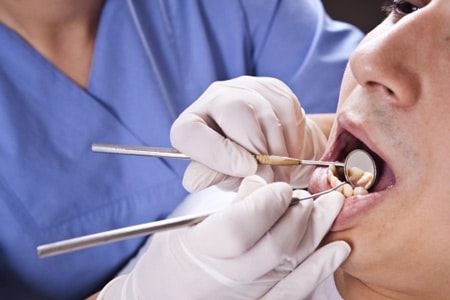 |
Bad breath is a sign of gum disease, which may be linked to erectile dysfunction. Turkish researchers found that among men aged 30 to 40, those with severe gum disease were three times more likely to experience erectile dysfunction than those with healthy gums.
You can brush your teeth twice a day, use dental floss, and see a dentist twice a year.
Eye signs of cognitive decline
In a study by Duke University, USA, people aged 38 with larger blood vessels in their eyes scored lower on IQ tests than those with smaller vessels. The blood vessels in the eyes are similar in size, structure, and function to those in the brain, so the eyes can show signs of brain decline many years before you begin to experience dementia.
It's also not easy to detect changes in yourself, so get an annual eye exam to monitor for any problems.
Hearing is a warning sign of diabetes.
Researchers at Niigata University in Japan say that people with diabetes are twice as likely to experience hearing loss as those without the disease. Surprisingly, younger people with diabetes – under 60 – are at even higher risk of hearing loss compared to older people. High blood sugar levels associated with diabetes can damage blood vessels in the ear.
According to Dan Tri