

Identifying essential vitamins for good health.
Vitamins are not food but pharmaceuticals. They should only be used under a doctor's guidance because both excess and deficiency of vitamins can cause illness.
Vitamins play a crucial role in the metabolism and assimilation of nutrients, and in regulating the functions of various body parts. A vitamin deficiency can lead to specific diseases caused by that deficiency.
How to tell if your body has enough or too little vitamins.
Vitamin A: promotes good eyesight, prevents night blindness, and reduces eye strain. Adequate liver reserves of vitamin A ensure proper respiratory function, resulting in smooth, dark skin and hair, and healthy, non-brittle nails. People whose work involves using their eyes, such as reading, writing, sewing, typing, and monitoring screens, need foods rich in vitamin A; otherwise, their eyesight may deteriorate.
Vitamin A deficiency manifests as photophobia, eye fatigue, increased susceptibility to conjunctivitis, hair loss, and increased susceptibility to colds and flu due to weakened immunity. The best sources of vitamin A include fresh carrots, ripe gac fruit, tomatoes, green leafy vegetables, sweet potatoes, apricots, cod liver oil, pork liver, and chicken liver.
Vitamin B: Every cell in the body needs vitamin B. A deficiency can lead to stunted growth and delayed development in children. In adults, a deficiency in B vitamins can cause irritability, anxiety, fatigue, confusion, worry, sadness, shortness of breath, and mouth sores. The B vitamin group has a significant impact on longevity. Sources of B vitamins include brown rice, rice bran, brewer's yeast, and green leafy vegetables.
Vitamin B1: Sufficient vitamin B1 in the body provides enough energy through proper food metabolism, stabilizes blood pressure, ensures normal nervous system function, and helps the body maintain metabolic balance. A deficiency in B1 can lead to the brain and nerve cells being affected by toxic acids, causing weakness, forgetfulness, and irritability.
A deficiency can lead to exhaustion, fatigue, insomnia, rapid heartbeat, constipation, poor digestive function, anemia, low blood pressure, and neuritis. Vitamin B1 is found in peanuts, beans, soybeans, fresh fruits, and especially rice bran.
Those suffering from nervous exhaustion or insomnia due to vitamin B deficiency should consume rice bran as follows: steam glutinous rice bran until cooked, eat twice a day 30 minutes before meals, and add a little sugar to make it easier to eat.
Vitamin B2 helps the body produce and utilize essential proteins. A deficiency in vitamin B2 can lead to mouth sores and inflammation, dry, scaly skin, watery eyes, and dry lips. Vitamin B2 is found in brewer's yeast, sesame seeds, soybeans, mung beans, red beans, chicken and duck eggs, and various green vegetables, especially cabbage.
Vitamin B3 plays a crucial role in releasing the energy from the food we eat. Without it, our bodies don't receive enough energy for our organs and systems.
A deficiency in vitamin B3 can lead to lethargy, frequent sadness, anxiety, fear, anger, confusion, forgetfulness, irritability, unexplained headaches, insomnia, and bad breath. Vitamin B3 is found in brewer's yeast, mushrooms, corn, peanuts, beans, green vegetables, milk, meat, and egg yolks.
Vitamin B6 deficiency often manifests as nausea, insomnia, depression, confusion, or agitation. Sometimes it can lead to peripheral neuropathy, neuromuscular dystrophy, seborrheic dermatitis, peeling skin around the eyes, mouth, face, head, and neck. Children may experience delayed development accompanied by anemia and iron deficiency, while the elderly may experience tremors.
Vitamin B6 is abundant in brewer's yeast, rice bran, sweet potatoes, egg yolks, beef, liver, and kidneys.
Vitamin B12: essential for growth and blood formation, and for maintaining the proper and long-lasting function of nerve tissues. A deficiency in vitamin B12 can lead to poor memory, loss of appetite, irregular breathing, and difficulty concentrating.
Vitamin B12 is found in cheese, fish, almonds, watercress, sauerkraut, fresh milk, powdered milk, soy milk, meat, shellfish, mussels, and mineral water.
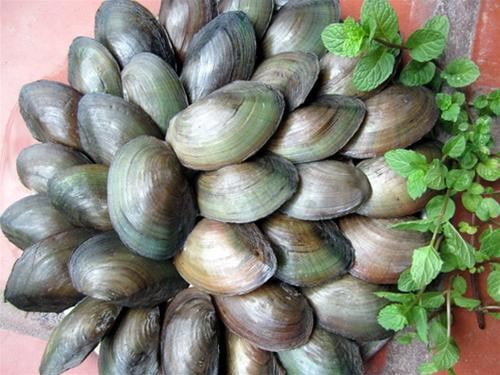 |
| Boys are rich in vitamin B12. |
Vitamin C:Many health practitioners consider vitamin C to be an anti-aging agent. A deficiency in vitamin C weakens blood vessel walls, causing blood to leak into tissues, resulting in bruising. Gums may bleed, and joints may ache. Indeed, symptoms of aging such as wrinkled skin, loose teeth, and brittle bones are often due to vitamin C deficiency.
Vitamin C is particularly effective at detoxifying the blood. It combines with any toxins that have entered the bloodstream and excretes them, cleansing the body. When suffering from poisoning, colds, back pain, allergies, pneumonia, or meningitis, taking 20-40 times more vitamin C than usual will significantly reduce symptoms.
If you have a severe burn, apply a cloth soaked in water mixed with vitamin C to the affected area; it will relieve pain and help the burn heal faster. If you are poisoned by chemicals or bitten by venomous snakes or centipedes, taking vitamin C will help detoxify the body. People who frequently experience nervous disorders, mental trauma (stress), or severe negative emotions will find that vitamin C helps stabilize their condition.
The minimum daily intake of vitamin C for each person is approximately 50mg. Fresh fruits and vegetables are rich in vitamin C, but this vitamin is easily lost due to heat, light, and alkaline substances. Therefore, it is best to eat fruits and vegetables very fresh. Vitamin C is abundant in lemons, oranges, tangerines, grapefruit, cabbage, and green peppers.
Vitamin D: is involved in calcium absorption, essential for bone development and nerve function. A deficiency in vitamin D can lead to rickets and other bone diseases, bleeding gums, nosebleeds, dry mouth and tongue, poor environmental adaptability, irritability, and insomnia.
Vitamin D is found in fish oil, vegetable oil, liver, eggs, fruits, and green vegetables. The body also synthesizes vitamin D in the skin under the influence of ultraviolet rays from sunlight. Therefore, sunbathing in the morning at sunrise is recommended, especially for children, but it should be done under the guidance of a doctor to avoid negative consequences.
Vitamin E: has very beneficial effects on the elderly, improving blood circulation, dissolving blood clots in blood vessels, preventing heart attacks, inhibiting lipofixin – a substance that causes aging and deposits in cells, and counteracting toxins produced by oxidation in cells. Pregnant women deficient in vitamin E may give birth prematurely, to babies with weak muscles, and who are slow to learn to walk.
Vitamin E deficiency can lead to fatigue in the limbs, excessive sweating, dry skin, split ends, stress, and menstrual cramps in women. Furthermore, a lack of vitamin E causes a loss of oxygen in cells, potentially leading to asthma and emphysema.
Vitamin E prevents aging and prolongs lifespan because one of the causes of aging is a lack of oxygen in cells. Vitamin E is abundant in oilseeds, grains, legumes, green vegetables, beef liver, animal fat, egg yolks, flour, almonds, etc.
The elderly need vitamins.
Compared to younger people, the elderly need more vitamins. They require a diet rich in vitamins. At age 50, the stomach undergoes slight atrophy, gastric acid secretion decreases, and the gut microbiota changes, leading to a significant decline in the biosynthesis of certain enzymes and vitamins, especially B vitamins.
In the elderly, vitamin absorption and metabolism are significantly altered, reducing vitamin absorption through the intestinal membrane, and resulting in decreased levels of vitamin C and B12 in the blood. If there are gastrointestinal diseases, vitamin absorption is even more impaired, further accelerating aging. Aging often leads to digestive disorders. Thus, there is a strong correlation between aging, digestive disorders, and vitamin deficiencies.
The elderly need 75mg of vitamin C, 3mg of vitamin B1, and 5,000 international units of vitamin A daily. During weather changes, a consistent daily intake of 3g of vitamin C can help prevent colds and flu. In cases of hepatitis, where blood clotting factors are poorly produced, vitamin C acts as an anti-bleeding agent. Taking 0.5-1g of vitamin C daily can significantly lower cholesterol levels in people with high blood pressure.
It increases overall metabolism and stimulates liver cells to filter cholesterol from the blood into the bile and then into the intestines, eliminating excess cholesterol. For the elderly, vitamin C inhibits and slows the development of atherosclerosis. B vitamins have a clear effect on old age. Vitamin B6 treats tremors in the elderly.
Today, the modern world has introduced many substances into our diets that our ancestors never consumed. These include substances with the potential to cause cancer. For example, some preservatives in medicines, nitrate and nitric salts, and harmful food colorings are used indiscriminately, or food dyes produced by industries that haven't conducted thorough research have been used haphazardly.
Cancer can also be caused by eating moldy food… Food ingested by the body has two reactions: it can be positive, making the body healthy and promoting growth; or it can be harmful, bringing the body closer to its grave. We need to be responsible about the food we put into our bodies.
According to AloBacsi.vn