

Hidden dangers of carbonated soft drinks
Soft drinks are a favorite summer beverage for many, however, excessive consumption of soft drinks, especially carbonated drinks, can lead to various health problems, particularly for children.
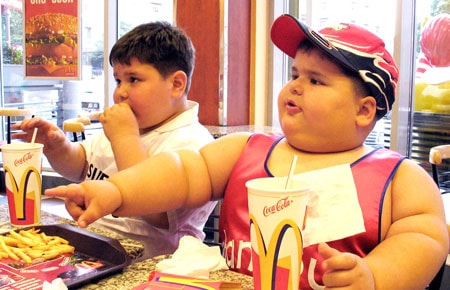 |
| Excessive consumption of sugary drinks is a cause of childhood obesity. |
"It's delicious, but bad for your health."
That was the warning from a doctor at the Institute of Nutrition to Ms. Hong Nhung (Ba Dinh district, Hanoi) when she took her son, Bao, for a check-up. Although only 6 years old, Bao already weighed nearly 40kg. As the only grandchild, Bao was very spoiled.
Seeing that their grandson Bảo was most "obsessed" with carbonated soft drinks like Coca-Cola, Pepsi, and 7-Up, his grandparents bought plenty of them for him to drink as much as he wanted. According to nutrition experts, this is one of the reasons for Bảo's obesity, so from now on, Bảo needs to absolutely "say no" to soft drinks.
Associate Professor Dr. Le Bach Mai - Deputy Director of the Institute of Nutrition, warns that carbonated drinks are sugary beverages infused with saturated CO2 gas, creating a pungent sensation and, especially, a feeling of quenching thirst, which consumers enjoy, even drinking more than necessary.
According to Associate Professor Dr. Le Bach Mai, when children drink too much sugary soda, it can lead to calcium and vitamin A deficiencies. Even if children receive adequate nutrition from their parents, excessive consumption of sugary sodas will cause calcium and vitamin A to be rapidly excreted through urine. Sugary sodas also contain high levels of sugar, leading to the body absorbing large amounts of this sugar and causing obesity. This often occurs in those who both drink a lot of sugary sodas and are inactive or do little sports.
Meanwhile, obesity is a "precursor" to the risk of diabetes and cardiovascular diseases. Furthermore, sugary drinks, due to their acidic content, erode the protective enamel of teeth, weakening them and making them more prone to chipping. Carbonated soft drinks also create a false sense of fullness. Drinking too much of these can irritate the stomach and intestinal lining, causing numbness, leading to poor digestion, stomach pain, and diarrhea.
Increase taxes to curb consumption.
According to Mr. Ngo Huu Loi, Director of the Tax Policy Department, Ministry of Finance, in light of the health risks posed by soft drinks, especially carbonated drinks, some countries such as the UK and Sweden have mandated that manufacturers print warnings on bottle and can labels advising against consumption by pregnant women, breastfeeding mothers, or children. Simultaneously, more than 50 countries, particularly in Europe, have imposed excise taxes on carbonated soft drinks.
Even Vietnam's neighbors like Cambodia and Thailand have imposed excise taxes on this type of beverage. Currently, in the draft Law on Excise Tax, the Ministry of Finance has included carbonated soft drinks in the list of goods subject to a 10% tax with the aim of guiding consumer behavior. However, there is still much debate surrounding this issue.
Before a decision is made on whether or not to impose excise tax on this type of beverage, according to Mr. Nguyen Manh Hung - Vice Chairman and General Secretary of the Vietnam Association for Standards and Consumer Protection, consumers need to be proactive and avoid overusing soft drinks to protect their own health.
Regarding children, according to Ms. Le Bach Mai, completely banning them from drinking carbonated soft drinks is quite difficult. However, adults should still supervise them, only allowing them to drink soft drinks away from mealtimes, in moderate amounts, and not daily. Ideally, children should not be encouraged to drink this type of beverage because it is very detrimental to their health.
According to AloBacsi.vn