
Jackfruit ripening season
(Baonghean) - My hometown is in the midland region, and the garden is full of gravel, which is very suitable for growing jackfruit. In the garden, from the fence to the corner of the yard, or next to the well, jackfruit trees are everywhere. Despite the barren, gravelly soil, the jackfruit trees still thrive over time, providing shade for the yard. Around June and July in the lunar calendar, the garden is full of ripe jackfruit, emitting a fragrant aroma…
(Baonghean) - My hometown is in the midland region, and the garden is full of gravel, which is very suitable for growing jackfruit. In the garden, from the fence to the corner of the yard, or next to the well, jackfruit trees are everywhere. Despite the barren, gravelly soil, the jackfruit trees still thrive over time, providing shade for the yard. Around June and July in the lunar calendar, the garden is full of ripe jackfruit, emitting a fragrant aroma…
My mother said that all the jackfruit trees in the garden were planted by my grandmother. Back then, the countryside was still poor, and jackfruit trees were considered rare.
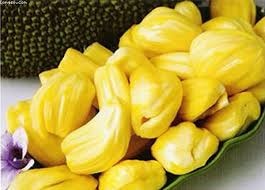 |
Around June and July, jackfruit begins to ripen. At this time, the jackfruits are as big as a 10-liter plastic bucket, round and plump, with evenly spaced thorns. Many are full and juicy, with the segments inside cracked open. My sisters and I would almost always take poles out to tap the jackfruit. Every jackfruit season, my mother would always pick the biggest and tastiest ones, bring them inside, use a small knife to split them in half, use a loofah leaf to wipe away the sap from the peeled stem, then peel the large segments and arrange them in layers on an enamel plate to offer to my grandfather's altar. That was my mother's way of teaching me the principle of remembering one's roots and showing gratitude. I understand that truth very well. Because a tree's life is worth a human life.
When the jackfruit ripens, after eating the segments, the fibrous pulp is removed, torn into small pieces, mixed with pepper, salt, and lime leaves, then tightly wrapped in banana leaves. After about two days, it's sliced thinly; these golden-yellow fibrous slices, like fried eggs, are delicious with hot rice and a little pork crackling – nothing beats it. Jackfruit seeds, through my mother's skillful hands, become countless unforgettable delicacies: boiled jackfruit seeds, jackfruit seed sweet soup, jackfruit seeds roasted in warm, fragrant ash... But the best of all is still braised perch with jackfruit seeds. During the jackfruit season, after eating the segments, there are countless seeds. My mother doesn't throw them away; instead, she washes them clean, blanchs them briefly, dries them in the sun, wraps them in plastic bags, and stores them in earthenware jars. Sudden downpours occur amidst the intense afternoon sun of summer. Under the low-lying rice paddies, the perch that have long taken refuge suddenly swim upstream, each one plump and full of eggs, eagerly participating in their breeding festival. Dad carried his basket to the fields, and in no time it was full of fish. While he prepared the fish and marinated it for the braised fish dish, Mom peeled the jackfruit seeds, boiled them briefly to remove the bitterness. She then removed the seeds and arranged them in alternating layers in a small earthenware pot. She added a few chili peppers, some ginger leaves, and seasonings, poured in enough water to slightly cover the fish, covered the pot, and simmered it over low heat. When the water was almost gone, she added a little cooking oil to enhance the flavor of the fish and jackfruit seeds. When the braised fish was almost dry, she sprinkled some shredded ginger leaves on top and turned off the heat. And there you have it – a fragrant and delicious braised perch with jackfruit seeds, bearing the warm brown color characteristic of the countryside. Mom's braised perch with jackfruit seeds became a family favorite. Now, even though I've traveled far and enjoyed all sorts of delicacies, nothing tastes as good as braised perch with jackfruit seeds.
During jackfruit season, the rural markets become more bustling and lively. The sight of mothers and sisters carrying baskets of ripe jackfruit in bamboo containers on their shoulders, the fragrant aroma spreading throughout the market, has become a part of childhood memories.
We grew up, established our careers far from home, and only returned to our hometown a couple of times a year. During jackfruit season, Mom would call, reminding us to remember Grandpa's death anniversary. Before leaving, she would pack up salted jackfruit pulp, dried jackfruit seeds, and various jars of pickled jackfruit for us to take to the city, to eat occasionally to ease our homesickness. Now, many of the jackfruit trees in the garden have been cut down, and the fence has been replaced with a brick wall. Only the old jackfruit tree by the well remains, its trunk gnarled with bumps. But it still stands strong in the storms, providing cool shade and bearing large, delicious, fragrant fruit…
Thanh Tuong