

Things to note when eating clams and mussels.
Mussels and clams are popular, nutritious, and refreshing dishes, especially in the summer. However, some people should avoid eating them, and even though they are delicious, improper preparation can be harmful.
Mussels and clams are popular, nutritious, and refreshing dishes, especially in the summer. However, some people should avoid eating them, and even delicious food can become harmful if not prepared properly.
Very nutritious if eaten correctly.
Mussels and clams are easy to prepare into refreshing and nutritious dishes. They are rich in iron, selenium, magnesium, calcium, vitamin B12, fatty acids, and more.
Iron is crucial for the regeneration of new red blood cells; Vitamin B12 helps the nervous system function properly, synthesizes DNA, and prevents cardiovascular disease; Selenium is essential for the immune system, helps create antioxidant compounds, combats the activity of free radicals in the blood, helps minimize the risk of cancer, and supports the normal functioning of the thyroid gland; Magnesium and calcium are good for bones and provide energy for cellular metabolism.
The fatty acids in clams and mussels help reduce triglyceride levels (blood fat), inhibit the growth of atherosclerotic plaques, and reduce the risk of atherosclerosis and stroke…
Dishes made from clams and mussels are very good for the blood and cardiovascular system, support the immune system, enhance male sexual function, reduce the risk of infections, prevent cancer, and are beneficial for the nervous system, bones, and cellular functions.
Zinc, in particular, boosts immunity, supports wound healing, aids in sperm production, and influences the secretion of sex hormones in men, helping them maintain their sexual performance.
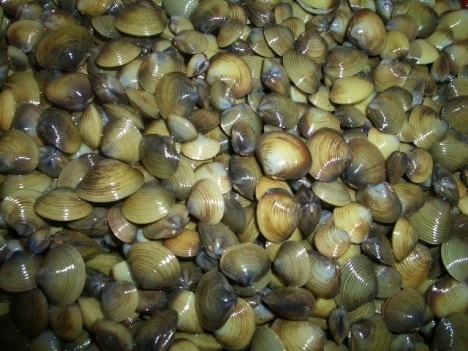 |
Who shouldn't eat oysters?
According to scientists, mussels contain the Adonovirus, which can cause gastrointestinal and respiratory illnesses such as diarrhea, rashes, and pneumonia. This virus increases the risk of infections in humans.
- Mussels don't produce toxins themselves, but their food, including certain types of algae, contains toxins that cannot be broken down even after thorough cooking, so people who eat them can still be poisoned.
Mussels can be contaminated with heavy metals from the water, such as mercury, cadmium, and lead (mostly byproducts of industrial processes). Consuming contaminated mussels can lead to heavy metal poisoning, causing damage to the nervous system and even birth defects in fetuses.
- Some people need to think carefully before eating shellfish, especially those with sensitive bodies who may be allergic to the proteins in seafood.
Doctors advise people with gout to be careful when eating mussels and other bivalve seafood, as it can worsen gout (because 100g of mussel meat contains 147mg of purines - which can cause a rapid increase in uric acid levels in the blood, accompanied by severe pain due to swelling in the joints).
- Note that you shouldn't eat fruit after eating shellfish because it can easily cause stomach upset. Fruit also affects the body's absorption of protein and calcium from seafood. The tannins in fruit combine with protein and calcium to form insoluble calcium, which irritates the digestive tract and can even cause stomach pain, nausea, and vomiting.
- Also, avoid eating shellfish with foods rich in vitamin C as this can easily cause poisoning.
- You shouldn't eat shellfish and drink beer at the same time, as this will accelerate the formation of excess uric acid that accumulates in the joints or soft tissues... leading to gout, arthritis, and inflammation of the bones and soft tissues, which is very harmful to your health.
How to eat clams and mussels properly
Even healthy food can be harmful if not prepared properly. To avoid food poisoning, it's best to soak clams and mussels for several hours to allow them to release mud and waste, then scrub their shells clean.
Removing the mussel's "fecal sac"—where the mussel has not yet expelled its waste—will minimize the risk of poisoning for those who eat it.
To determine if clams and mussels are fresh and alive, check the following:
- Touch the shell with your hand. If the clam is fresh and alive, the shell will slowly close.
- The smell of live mussels is usually not too strong or fishy. Sea mussels have a stronger sea smell.
- Avoid buying clams or mussels with cracked, damaged, or broken shells, as they are more susceptible to bacterial contamination.
- The quality and nutritional value of farmed mussels vary from place to place, so knowing their origin is even better: River mussels don't contain as much iodine as sea mussels. Farmed or harvested mussels from areas with industrial factories or polluted water sources are often not good for health.
- Avoid buying frozen or packaged shellfish as they may not be fresh or may have been treated with chemicals.
Preserving live mussels and clams:
Mussels can survive for 2-3 days after being taken out of the water. To keep them fresh, store them in a cool, well-ventilated place, in a basket or box with many holes, and cover them with a damp cloth/paper to maintain humidity at a temperature of 35-40 degrees Celsius. Do not soak mussels in water.
Preserving cooked mussels:
- Boil or steam the clams for 5-7 minutes until they are cooked through but not losing nutrients. If any clam doesn't open its mouth, it's dead and shouldn't be eaten.
- Wash the clams and mussels, boil them for about 5-6 minutes, remove them, discard the shells, let them cool, then wrap the clam and mussel meat in aluminum foil, put it in a plastic container with a lid, and store it in the freezer for long-term preservation. When you want to eat them, thaw them, cook them thoroughly, and serve hot.
Adding a little wine and ginger to dishes made with clams and mussels can reduce their cooling properties.
According to Alobacsi.vn