

Imperata cylindrica root: A valuable medicinal herb for detoxifying the liver and strengthening the kidneys.
Perhaps all of us have tried a glass of refreshing ginseng drink on a hot summer day at least once.
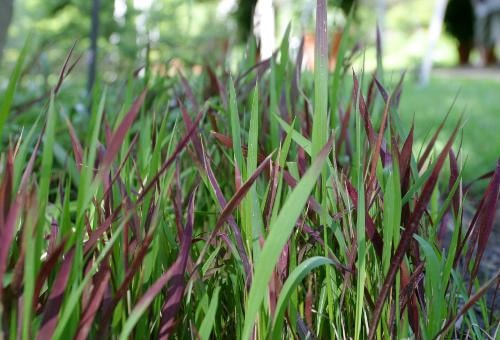
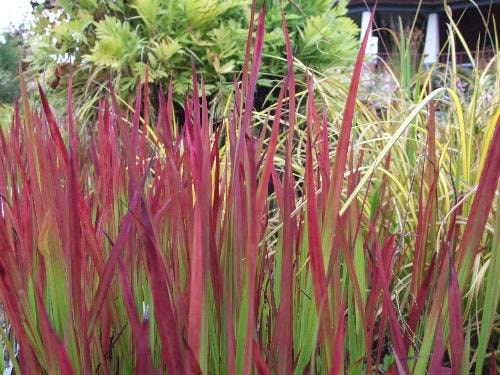
But few people know that one of the ingredients used to make it is actually the root of cogon grass, a wild plant that was once considered "the enemy of farmers." And its benefits don't stop at just a refreshing cup of herbal tea.
 |
A precious medicinal herb from 2,000 years ago.
Street vendors selling chilled herbal drinks have long been a familiar sight on the streets of Saigon, and those sweet, refreshing cups of herbal tea have become ingrained in everyone's memories when thinking of this sunny, vibrant tropical city.
Besides providing income for beverage vendors, cold herbal drinks are also a source of livelihood for many people who make a living by digging up cogon grass roots.
A resident of Ward 15, District 8, Ho Chi Minh City, where nearly 40 households have been making a living by digging up cogon grass roots for decades, said: "Cogon grass roots have many nodes like sugarcane nodes and a sweet taste. A decoction made from cogon grass roots helps with urination, cools the body, quenches thirst, and detoxifies. When boiled with sugarcane and corn, it becomes a herbal drink, which is still sold on the streets."
Imperata cylindrica roots are ivory-white to pale yellow, with many nodes, surrounded by scale-like leaves and rootlets. Imperata cylindrica roots contain 18% sugar (both glucose and fructose), which is why they taste sweet; along with citric, malic, tartaric, and oxalic acids, triterpene methylethers, arundoin, and cylindrin.
The benefits of cogon grass are not a recent discovery; its roots have been used as medicine for 2,000 years and were the first medicinal herb recorded in the "Classic of Materia Medica." It is also found in many other ancient medical texts such as "Famous Physicians' Records," "Materia Medica Classic," "Lung-Relief Materia Medica," and "Seeking the Truth in Materia Medica."
Imperata cylindrica is found in many countries, and in each country, it is used to treat different ailments. In Cambodia, the roots of Imperata cylindrica are combined with several other herbs to treat hemorrhoids.
In China, the roots of this plant are used to reduce fever, treat vomiting, and edema. Africans, on the other hand, use cogon grass to treat gonorrhea and urinary tract problems.
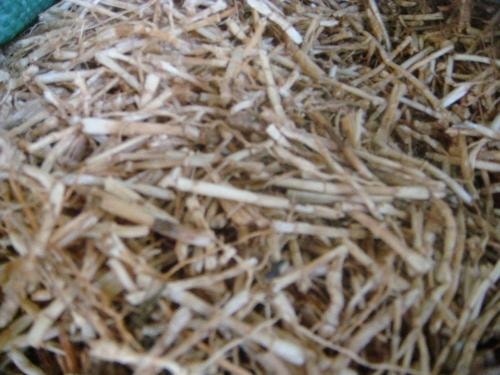
When using it as medicine, you must cut off the above-ground roots, only keeping the underground roots, and clean off the sheaths, leaves, and rootlets.
In Traditional Chinese Medicine, the root of Imperata cylindrica is called mao gan. Depending on the preparation method and the purpose of treatment, this herb has various other names. Fresh, washed, and finely chopped Imperata cylindrica root is called sheng mao gan.
The roots of cogon grass are soaked in water until soft, then cut into sections, dried, and sifted to remove impurities; this is called white cogon grass root. The white cogon grass root is then roasted in a pot until it turns black, then removed and dried to obtain charcoal-roasted cogon grass root.
 |
Cools the liver, benefits the kidneys.
According to Traditional Chinese Medicine, the roots of cogon grass have a sweet taste and a cooling nature, making them very effective in clearing heat and quenching thirst. They also help to dispel blood stasis, promote urination, and clear heat from the lungs and stomach; they are used to treat conditions such as nosebleeds, hematuria (blood in urine), and urinary retention.
According to modern medicine, cogon grass root has a rapid blood clotting effect, and cogon grass powder shortens the plasma calcium recovery time in experimental rabbits. Regarding its diuretic effect, modern medicine has proven this through experiments on rabbits.
Modern medicine suggests that this effect is related to the nervous system or due to the presence of potassium salts in the medicine. Additionally, decoctions made from cogon grass roots have antibacterial properties, specifically against Flexner and Sonnei bacteria that cause dysentery in humans. However, perhaps the most frequently mentioned effect of this herb is its ability to support the treatment of kidney disease.
In an article introducing this herb, herbalist Huyen Thao (Hanoi) shared: Clinical studies in China show that cogon grass root has a relatively good effect in supporting the treatment of acute nephritis, helping to shorten the treatment time. For chronic nephritis, cogon grass root has a certain diuretic, anti-edema, and blood pressure-lowering effect.
To aid in the treatment of acute nephritis, boil 200g of Imperata cylindrica root in 500ml of water over low heat until only 100-150ml remains. Divide into 2-3 doses and consume throughout the day. Continuous use for one month will show noticeable results.
Alternatively, you can combine Imperata cylindrica with Plantago major, Lonicera japonica, Glycyrrhiza glabra, Rosa multiflora, black beans, Stephania tetrandra, Mentha arvensis, and Cynodon dactylon for better results. Take 10g of each herb, add to 3 bowls of water, simmer until only about 1 bowl remains, and drink after meals, finishing within the day. Continue this treatment for 15 days.
People with weakened livers due to smoking, excessive alcohol consumption, or other liver function problems can use remedies made from cogon grass roots to cleanse, detoxify, and cool the liver.
You can use cogon grass roots to make a drink in the following way: Take 200g of cogon grass roots and boil them with 700ml of water. Once the water boils, reduce the heat and simmer for another 7-10 minutes. Filter the liquid and drink it throughout the day instead of tea. Drink continuously for 10-15 days. You can take a break and then repeat the process for another 10-15 days.
Imperata cylindrica root can also be cooked with lean pork to make a medicinal dish. Use 150g of raw Imperata cylindrica root, 50g of fresh white peony root, and 150g of thinly sliced lean pork. Put them in a pot and simmer until tender, season to taste, eat once a day, continuously for 10-15 days.
 |
And many other uses.
Besides being used to support the treatment of liver and kidney diseases, cogon grass roots are also present in many other traditional remedies:
- Nosebleeds: Boil 36g of Imperata cylindrica root and 18g of Gardenia jasminoides in 400ml of water until only 100ml remains. Drink hot after meals or before bedtime. If using raw Imperata cylindrica root, use 80g, boil in water and drink daily after meals, for 7-10 days.
- Boil 20g of fresh Imperata cylindrica root in water and drink it after dinner while the medicine is still warm. Use for 8 days.
- Diuretic: Mix 30g of Imperata cylindrica root, 40g of corn silk, 25g of Plantago seeds, and 5g of chrysanthemum flowers. Take 50g of the mixture and steep in 0.75ml of boiling water, drinking throughout the day; use for 10 days.
You can also use 50g of Imperata cylindrica root, 15g of lotus leaves, 10g of corn silk, 10g of Centella asiatica, and 8g of Houttuynia cordata, decocted and drunk once a day, divided into 3 doses. Use for 3-5 days.
- Hematuria (blood in urine due to urinary tract infection): Boil Imperata cylindrica root and charred ginger in 400ml of water until only 100ml remains. Drink the decoction warm throughout the day, preferably before dinner. Use for 7-10 days.
Note: People with excess internal heat and pregnant women should not use cogon grass root.
According to Health and Life