
People who shouldn't eat greasy food
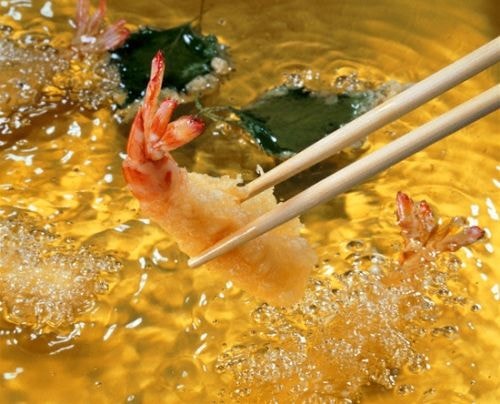
Greasy foods are those that have had a lot of oil or fat added during processing to enhance their flavor.
Greasy foods are those that have had a lot of oil or fat added during processing to enhance their flavor.
Although it may be appealing, for some people, eating greasy food is not good for their health.
People with fatty liver disease
Greasy foods are among the foods that patients with fatty liver disease need to limit in their daily diet.
 |
| Who should avoid eating greasy foods? |
In fatty liver disease, liver cells are damaged to varying degrees. If too much fat is consumed, it accumulates in the liver, leading to fatty liver disease and affecting the liver cell regeneration process.
Fatty liver disease can affect glycogen synthesis, not only reducing the liver's defensive and detoxification functions but also depleting stored glycogen, leading to the development of diabetes.
At this stage, the patient's liver cells have reduced bile breakdown, and bile salts, which are metabolites of fats, can only be broken down by hydrolyzing the enzymes that break down fats. Reduced bile breakdown hinders fat breakdown, leading to poor digestion and symptoms such as diarrhea and bloating.
Vegetable oils such as soybean oil, peanut oil, rapeseed oil, and cottonseed oil all belong to the family of unsaturated fatty acids, but if consumed in large quantities, the body cannot digest them all, leading to the formation of saturated fatty acids that accumulate in tissues. Excessive accumulation in the liver can lead to fatty liver disease, while excessive accumulation in the heart can lead to fatty heart disease, weakening the physiological functions of these organs.
Elderly people and patients with impaired fat metabolism, where fat accumulates in the blood, are more prone to atherosclerosis, leading to coronary heart disease and hypertension. Consuming large amounts of fatty foods can also promote the separation of large amounts of bile and pancreatic fluid, leading to cholecystitis, gallstones, and pancreatitis.
Obese people, people with hypertension
Even thin people can suffer from high blood pressure, not just obese people. Most animal fats contain cholesterol and are 60-90% saturated fatty acids (except for fish oil or the fat of some birds, which contain less).
When cholesterol levels in the blood rise excessively, it is deposited and accumulates excessively in endothelial cells, gradually forming lipid plaques and developing into atherosclerotic plaques, causing atherosclerosis, making blood vessel walls less elastic, and leading to hypertension. Therefore, animal fat is not beneficial for preventing hypertension.
According to Vietnamese Family