

The pros and cons of pickled foods
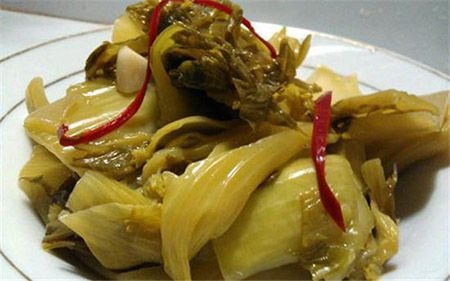
Pickled foods are very popular during Tet (Vietnamese Lunar New Year). However, consuming too much of these foods can also pose some health risks.
Although the techniques for pickling food vary depending on the ingredients, the dish generally has a delicious sweet and sour taste.
The basic method is still to create an environment where microorganisms cannot survive, while the food is "cooked" through fermentation using leavening agents or preservatives such as cooking oil, salt, sugar, vinegar, etc., which both kill bacteria and preserve the food, as well as enhance its flavor.
The sweet and sour taste of pickled foods not only stimulates the taste buds but is also believed to offer many health benefits. However, consuming too much of these foods is not good. To enjoy pickled foods without harming your health, please refer to the helpful information below.
Benefits of pickled foods
Supports digestion
Probiotics, or friendly bacteria, naturally reside in the digestive system and help break down food. Antibiotics, when taken orally, not only kill bacteria but also destroy beneficial bacteria, leading to a decrease in their levels and making us more susceptible to digestive problems.
Fermented foods, which are made with salt, help support the growth of probiotics in the gut, leading to smoother and more efficient digestion.
Defeat free radicals.
Because pickled foods are usually made from fresh, uncooked vegetables and fruits, a significant amount of antioxidants are retained. These antioxidants help combat free radicals that are harmful to the body.
 |
Improve mental health
In addition to aiding digestion, the probiotic bacteria in pickled foods also contribute to improved mental health. Numerous studies have demonstrated a link between abundant probiotic levels in the body and the central nervous system, improving brain function and leading to a more cheerful mood.
Supplementing with vitamins and minerals
Eating pickled foods is an ideal way to supplement nutrients, especially when you don't normally enjoy fruits and vegetables.
Depending on the type of food pickled and the spices used during the pickling process, the body receives various vitamins and minerals. Additionally, a significant amount of fiber is retained in pickled foods.
Boost your immune system.
Pickled foods can help boost the body's immunity. According to various studies, foods pickled in vinegar can help protect the body from many common infectious diseases such as colds, flu, and sore throats.
Health risks
Increased risk of developing cancer.
Numerous studies of varying scale and duration have shown a link between the consumption of pickled foods and the risk of developing cancers, especially esophageal and stomach cancer.
Consuming too much salt
Most pickled foods are prepared with a lot of salt. Salt is an essential seasoning for preserving food because it effectively prevents the growth of microorganisms such as bacteria, yeast, and mold.
However, eating too much salt puts you at risk of high blood pressure, which can lead to stroke and heart attack. The risk of developing high blood pressure increases with age.
Eating pickled foods is not harmful to health.
Homemade pickled foods usually retain more nutrients than commercially produced pickled products found in markets, stores, and supermarkets.
Compared to traditional, handcrafted methods, industrial processing, which uses heating to cook food, destroys most of the vitamins in fruits and vegetables. Furthermore, these products contain fewer probiotics than homemade dishes.
Just like with any other food, the key to maintaining your health lies in moderation. You can't completely replace fresh vegetables and fruits in your daily meals with pickled foods, even though they also offer many health benefits.
In addition, try making your own pickled foods instead of buying ready-made products.
According to Health and Life