

Agricultural product consumption: Actively seeking new markets.
Exports of agricultural, forestry, and aquatic products in the first quarter of 2015 decreased by more than 13% in value compared to the same period last year. One of the reasons cited is the over-reliance of many agricultural sectors on traditional export markets.
Boosting the domestic market and new markets.
Following the unprecedented shock of declining export volume and value in the first quarter of 2015, the coffee industry is now soberly re-evaluating its consumer market. The domestic market, which previously accounted for only 10% of consumption, is now considered a major potential market for coffee production.
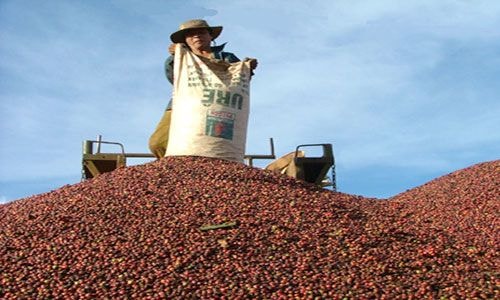 |
| Illustrative image |
According to Mr. Phan Huu De, Secretary General of the Vietnam Coffee and Cocoa Association, leading coffee exporting countries like Brazil and Indonesia still have about 35% domestic consumption. However, the domestic market for Vietnamese coffee remains largely untapped.
"We will boost domestic consumption to around 15% in the near future," Mr. De said.
Similar to coffee, the seafood industry, which once contributed up to 30% of agricultural, forestry, and fishery export turnover, is also seeking new directions in its marketing efforts.
In fact, along with the recovery of many countries with aquaculture production capacity, agricultural protection policies of these countries have also been strongly implemented; in the first quarter of 2015, the aquaculture sector saw a more than 20% decrease in export value.
Mr. Nguyen Hoai Nam, Deputy Secretary General of the Vietnam Association of Seafood Processing and Export (VASEP), said that a decline is occurring in traditional markets.
In the US market alone, the impact of anti-dumping measures caused export value in the first quarter of 2015 to decrease by 44%. Vietnamese seafood exports to many key markets such as Japan decreased by 11.73%; exports to the European market also declined due to the depreciation of the yen and euro against the USD. Meanwhile, despite numerous efforts from authorities and businesses, seafood exports to the Russian market have yet to recover...
Mr. Nam said that seafood processing businesses are currently shifting their focus to finding new partners and export markets such as Asia, Australia, South Korea, China, Hong Kong (China), and some Arab countries.
The South Korean market is considered highly promising and not overly stringent in terms of technical requirements; the Arab markets, although only recently entered with a few initial shipments, are considered highly promising by manufacturers. As for the Chinese and Hong Kong markets, they share many cultural and culinary similarities, making them easier to penetrate; the key is finding a suitable payment method.
Focus efforts on clearing the way.
From a production management perspective, the Ministry of Agriculture and Rural Development has recently implemented many positive measures to manage the quality of agricultural inputs and products derived from agricultural products. Minister Cao Duc Phat himself has held three specific working sessions with businesses and industry associations, as well as online meetings with localities, on the issue of integration and consumption of agricultural products.
During these meetings, Minister Cao Duc Phat listened attentively and directly addressed the difficulties faced by agricultural export businesses, providing immediate solutions for each case at the meeting. In addition, Minister Cao Duc Phat also set specific deadlines for the relevant units within the Ministry to resolve these issues completely.
On behalf of the Ministry of Industry and Trade, Deputy Minister Tran Tuan Anh stated that the top solution is to proactively organize and implement supply-demand connection activities, aiming to link agricultural, forestry, and fisheries production areas with the distribution system.
Connecting supply and demand will create a strong link from raw material areas to wholesale markets and wholesale and retail distribution systems through modern logistics and infrastructure. Timely coordination between distribution businesses and wholesale markets directly connecting and purchasing key agricultural products from localities will bring high efficiency in consumption and also set requirements for producers to produce high-quality products.
In addition to promoting trade and enhancing the capacity of businesses, the Ministry of Industry and Trade also focuses on brand building programs for Vietnamese agricultural products.
Businesses that achieve National Brand status will receive government support in brand building and development activities, aiming to enhance competitiveness, support trade promotion activities to expand markets, and promote brands domestically and internationally, helping businesses establish a strong foothold in both domestic and foreign markets.
According to Chinhphu.vn