

"Poison" lurks in many delicious seafood dishes.
Many fresh and delicious seafood dishes exist, but they also harbor numerous dangers that can harm human health.
Blood cockles
Blood cockles are a very popular seafood. They are a rich source of protein and contain many valuable minerals such as magnesium and zinc, which help to increase the body's endurance and resilience.
However, clams are among the seafood items that can be harmful because they contain many types of bacteria and viruses that cause disease. Blood clams carry bacteria that cause hepatitis and typhoid. Although blood clams are boiled quickly, this does not prevent the deadly pathogens they contain, including dysentery.
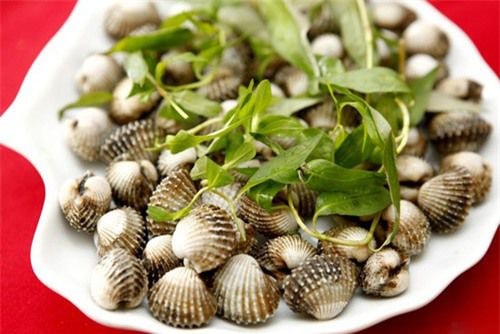 |
| Blood cockles are a delicious and appealing dish, however, they contain many types of bacteria and viruses that cause disease (Image: Internet). |
Therefore, when preparing clams, they need to be thoroughly cooked and should not be eaten raw. In addition, it's important to buy clams from reputable seafood stores; buying stale clams is even worse for your health.
Oysters
Oysters are a popular seafood because they are rich in protein and zinc and easy to digest. However, they can be contaminated with various bacteria and parasites, including tapeworms. If oysters are harvested during seasons when toxic algae blooms, they can become contaminated with these algae and cause food poisoning and diarrhea in those who eat them raw.
Oysters are also one of the foods that pose a high risk of stroke. Raw oysters contain two disease-causing viruses: Norovirus and Vibrio. Norovirus can cause enteritis and gastritis, while Vibrio is a bacterium that causes cholera with symptoms such as high fever, septic shock, skin blistering, and even death due to blood infection.
Pufferfish
Pufferfish meat is very popular in Japan, however, it is also a type of fish that contains very dangerous toxins that can be fatal. Therefore, only properly trained and licensed chefs are allowed to prepare dishes from pufferfish.
The toxins in pufferfish are primarily tetrodotoxins, a group of extremely dangerous neurotoxins with a high mortality rate. These toxins are heat-stable compounds and are not broken down during cooking.
And importantly, there is absolutely no specific antidote for pufferfish poisoning. Treatment measures only include gastric lavage or the use of activated charcoal to remove some of the toxins, artificial respiration, and intravenous fluids to boost the body's resistance...
Jellyfish
Jellyfish are often prepared into many delicious dishes such as salads, hot pot, etc. Jellyfish are appealing to diners because of their delightful crunchy texture. However, not everyone knows that jellyfish contain many toxins and can cause allergic reactions upon contact.
Jellyfish venom is usually concentrated in its tentacles, which it uses to catch prey and defend itself. When jellyfish venom enters the human body, it can cause headaches, chest pain, cyanosis, sweating, shortness of breath, nausea, vomiting, abdominal pain and frequent diarrhea, rapid and weak pulse, and hypotension.
To ensure safety, the jellyfish must be thoroughly processed, soaking it three times in saltwater and alum solution to remove toxins before use.
Mackerel
Mackerel is a voracious eater, making it highly susceptible to organic mercury contamination. Organic mercury affects fetal and infant development. Therefore, it is a type of fish that pregnant women and young children should avoid.
According to Alobacsi.vn