

7 tests you shouldn't miss.
From head to toe, these 7 tests could actually save your life – and here's why you should never skip them.
Colon cancer screening
Colorectal cancer is the third most common cancer in the UK, after breast and lung cancer. In 2008, nearly 40,000 people were diagnosed with the disease.
 |
Although it is rare in young people, 8 out of 10 people with colon cancer are over 60 years old, and men are at higher risk than women.
Screening is typically scheduled every two years for all men and women aged 60-69. The screening program has now been expanded to include all individuals aged 70-74.
Screening tests can help detect conditions like inflammatory bowel disease requiring medication, or polyps – which can become cancerous. However, what doctors are particularly concerned about is the presence of very small amounts of blood in the stool – an early warning sign of colon cancer.
The test kit, called the Faecal Occult Blood Test, is usually sent by mail and requires patients to collect a stool sample on a special card, which is then sent to a laboratory for analysis.
The test will look for traces of blood; if any such traces are found, the subject will be asked to repeat the test.
This doesn't mean you have cancer, but you may need a colonoscopy to rule out the possibility of cancer.
Only about 2% of people will have abnormal results and need follow-up tests.
Cervical cancer screening
A cervical smear test is a method of preventing cervical cancer by detecting abnormalities that, if left untreated, could lead to cancer.
A Pap smear is indicated for all women over 25 years of age. A doctor will use a swab to apply a smear of mucus around the cervix, then transfer it to a glass slide and examine it under a microscope. This allows for the detection of abnormalities in the cells surrounding the cervix that may indicate an increased risk of cancer.
Most women reported that the test was painless, but it could be slightly uncomfortable.
Cervical cancer is the 11th most common cancer in women, accounting for approximately 2% of all cancers in women.
The test can prevent 75% of cancer cases.
The risk of cervical cancer increases with multiple sexual partners, which increases the risk of HPV infection – the same virus that causes genital warts and is closely linked to cervical cancer.
In the UK, all women aged 25-64 are eligible for free cervical cancer screening every 3-5 years.
Nine out of ten results are normal, but some will receive normal results that require further testing and treatment.
The number of cases of cervical cancer diagnosed through smear tests is very small, and most abnormalities resolve spontaneously or can be treated on an outpatient basis.
Cholesterol and blood pressure
 |
Cholesterol is a type of fat that circulates in the blood. High levels of cholesterol can build up in the arteries, increasing the risk of heart attack and stroke. Regularly checking cholesterol and blood pressure, especially as you age, can help detect potential cardiovascular problems.
High cholesterol doesn't cause any symptoms, so testing is the only way to detect it.
cancer testing and screening
Cholesterol levels can be measured with a simple blood test. Depending on the results, your doctor will tell you when you need to repeat the test for monitoring, but it's best to have your blood cholesterol checked annually.
If cholesterol is high, it can be lowered by changing your diet, maintaining a healthy weight, and exercising regularly.
If you have heart disease or are at risk of developing it, your doctor may prescribe cholesterol-lowering medications such as statins.
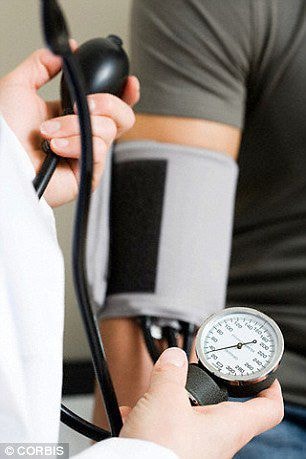
Blood pressure is the force by which blood pushes against the walls of the arteries. High blood pressure can weaken the heart and damage the artery walls, increasing the risk of heart disease, stroke, and kidney disease.
Measuring blood pressure is a painless test that only takes about 1 minute. Blood pressure readings below 130/80mmHg are considered normal.
You should measure your blood pressure at least once a year. If the results are outside the normal range, you will need to have your blood pressure checked a few more times.
If your blood pressure is consistently high, your doctor will tell you how to lower it. Treatment may include lifestyle changes, and if those are unsuccessful or your blood pressure remains very high, you may need medication.
Breast cancer screening
Breast cancer screening is a way to detect breast cancer at a very early stage using mammography, also known as breast imaging. Mammography can detect cancer before any visible signs appear. Studies have shown that about one-third of breast cancer cases are now diagnosed through screening.
cancer testing and screening
In the UK, women are first screened for the virus between the ages of 50 and 53. They then have the test every three years until they are 70 years old.
The results will be sent to the person who had the scan and the doctor within two weeks. Most will have normal results, but some may be required to go to the hospital for further testing. An ultrasound or biopsy may be needed if additional tests confirm an abnormality in the breast.
Eye exam
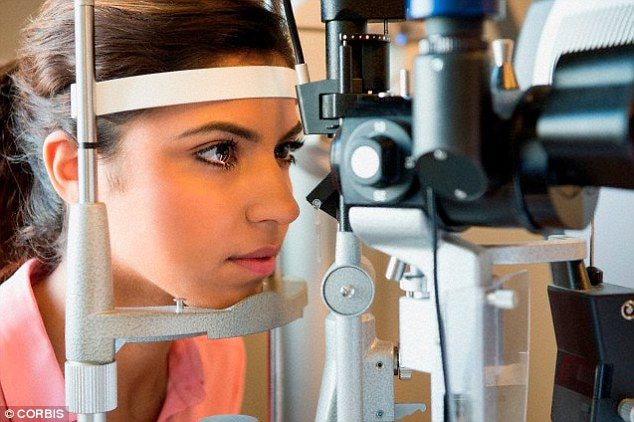 |
An eye exam not only tells you if you need glasses, but it can also detect early signs of many diseases before you even know you have symptoms, such as diabetes and glaucoma.
In the UK, people over 60 are entitled to a free eye exam every two years. Those over 70 are entitled to an annual eye exam.
After the examination, you will be told whether your vision needs correction and, if so, you will be prescribed new glasses. If there are any signs of disease, you will be referred to an ophthalmologist.
Skin test
Whether you do it yourself or see a specialist, being vigilant about moles can help you detect early signs of skin cancer.
Most moles are harmless, but sometimes they can develop into a rare form of skin cancer called malignant melanoma. Changes in the color, size, or shape of an existing mole are the most common symptoms of melanoma.
cancer testing and screening
Melanoma is associated with cumulative sun exposure throughout life, meaning older people are more susceptible to the disease.
You should check your moles every few weeks. If you have any concerns, you should see a doctor, who will advise you on when to have follow-up appointments, order further tests, and may decide whether to remove the mole.
If it is confirmed to be melanoma, you may need further testing to check if the cancer has spread.
According tovietnamnet