

5 common mistakes when boiling eggs
Boiling eggs may sound simple, but boiling a perfectly cooked egg is not easy at all.
1. Using the wrong size pot.
Don't try to cram too many eggs into one pot. This will not only cause the eggs to cook unevenly, but also increases the risk of them cracking. Use a pot that is appropriately sized for the number of eggs you are cooking. The eggs need to be in a single layer and have enough space to move around.
2. Boil in boiling water.
If you usually boil eggs in a pot of hot water, stop immediately. Boiled eggs should be cooked in cool water. When the water and egg temperatures are equal, the eggs will cook perfectly and won't crack.
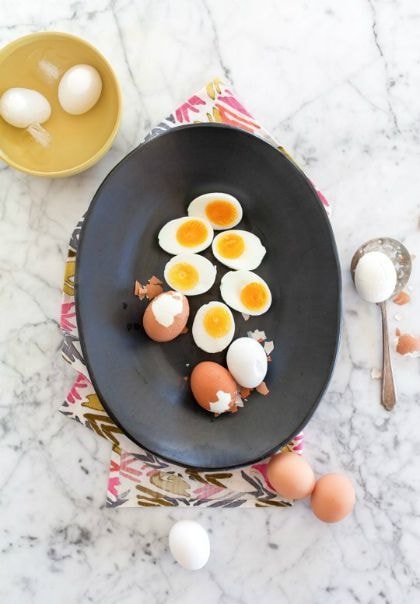 |
3. Use fresh eggs.
Eggs can become difficult to peel if you boil them too soon. Therefore, for boiled eggs, it's best to use older eggs. This is because when eggs are stored for a while, they lose moisture through the tiny pores in the shell, and the air sac at the end of the egg becomes larger. Additionally, the pH of the shell increases over time, making them easier to peel. You should buy eggs one to two weeks before you plan to eat them and store them in the refrigerator.
4. Boiling eggs for too long.
Have you ever peeled a hard-boiled egg and noticed grayish-blue lines in the yolk? A sulfurous smell? A rubbery white color? These are the consequences of overcooking. To boil an egg properly, place it in a pot, cover with water, and bring to a boil. Then turn off the heat and let it sit for 10 minutes for a soft-boiled egg and 15 minutes if you prefer a fully cooked one.
5. Do not soak in cold water.
In theory, an egg is perfectly cooked when boiled for the right amount of time and then removed from the water. However, in reality, even after removing the eggs from the hot water, they retain heat and will overcook. Therefore, immediately after boiling, place the eggs in a bowl of water and let them cool completely. This also makes peeling the eggs easier.
According to Gia Dinh.net