
The International Space Station is full of bacteria.
A study by the US National Aeronautics and Space Administration (NASA) indicates that pathogens are thriving on the International Space Station.
A study by the US National Aeronautics and Space Administration (NASA) indicates that pathogens are thriving on the International Space Station.
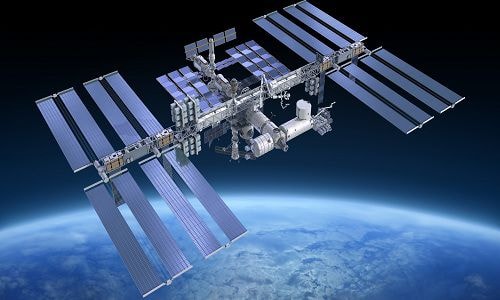 |
| Scientists have found numerous pathogens in dust samples from the International Space Station. Photo: NASA. |
Despite orbiting at an altitude of nearly 400 km, the International Space Station (ISS) is becoming a breeding ground for disease-causing bacteria from Earth. They seem to thrive in the unique environment of their new home, with its microgravity, cosmic radiation, high CO2 levels, and the constant presence of humans for almost 15 years.
Analysis of dust samples collected from satellites revealed that Actinobacteria—a type of bacteria found on human skin—make up a large proportion of the bacterial population on the ISS. Researchers also identified two groups of potentially infectious pathogens from the ISS dust samples, but the report did not mention the toxicity of these bacteria in a closed environment or the risk of infection to the crew.
The study's findings could spur stricter hygiene regulations on the ISS and provide lessons for long-duration space flights such as those to Mars. According to Dr. Venkateswaran, a microbiologist, understanding the nature of bacterial populations is key to managing astronaut health and equipment maintenance.
Scientists at NASA's Jet Propulsion Laboratory are using the latest DNA sequencing technology to quickly and accurately identify the microorganisms present on the ISS. They collect air and dust-filtered samples in vacuum bags from the ISS, then compare them to "clean rooms"—sterilized rooms on Earth designed to reduce contamination levels of equipment sent into space.
The research team analyzed samples of microbial organization and stained their cells to determine whether they were alive or dead. This allowed them to measure the size and diversity of surviving bacterial and fungal populations, as well as determine how close conditions in clean rooms on Earth were to the environment on the ISS.
According to VnExpress
| RELATED NEWS |
|---|