

When is the best time to sleep for your health?
The body needs at least 7 hours of sleep at night and a short nap in the afternoon to ensure sufficient energy and mental alertness.
Sleep is incredibly important for health. Adequate sleep allows the body to regenerate energy, reducing the risk of fatigue and illness. You should aim for two sleeps a day: a short nap at midday and a longer sleep at night. So, what is the best time for the body to rest and fall asleep?
According to Time, a midday nap should start around 1 PM, after a morning of work and the body is feeling tired. A short 20-30 minute nap is ideal to restore energy for the afternoon. Avoid sleeping too much or too deeply during your midday nap, as this can lead to fatigue or headaches upon waking.
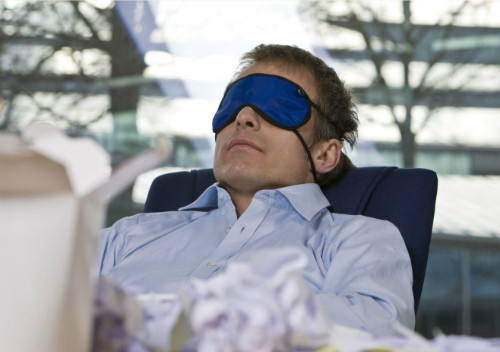 |
Naps at the office shouldn't be too long. Photo: DS |
Sleep experts recommend getting at least 7 hours of sleep each night to ensure the body is alert. Depending on individual circumstances and environment, you should calculate a suitable bedtime. If you need to wake up at 6 am, you should go to bed at 11 pm the night before.
According to Dr. Matt Walker of the University of California, Berkeley, USA: "An hour of sleep before midnight is as valuable to your health as two hours of sleep after 1 AM." Staying up late is never good for your health. Doctors believe that the time when the body reaches its peak deep sleep is usually between 0:00 and 3:00 AM. Before this deep sleep period, the body needs rest, so going to bed at 11 PM is a reasonable choice if you can't go to bed earlier.
Once you've chosen a suitable bedtime, you should stick to it for at least 10 days so your body can gradually adjust and it becomes a habit. On weekends, you can allow your body an extra hour of sleep in, but don't oversleep as it will cause fatigue and sluggishness on the first day of the week.
Things to avoid that can affect deep sleep include taking a hot bath close to bedtime, which raises body temperature and makes it difficult to fall asleep. Bringing electronic devices to bed can also cause you to toss and turn, preventing you from drifting off to sleep.
According to VNE
| RELATED NEWS |
|---|