

In the Senkaku dispute, China demands Japan release detainees.
On August 16, China demanded that Japan immediately and unconditionally release 14 of its activists who were arrested on August 15 for attempting to land on the disputed Senkaku Islands, which China calls Diaoyu.
The incident occurred amid heightened tensions between Tokyo and its neighbors as the anniversary of the end of World War II approached.
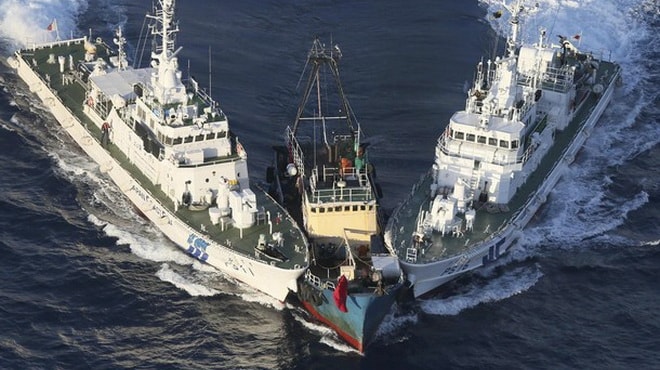 |
Two Japanese coast guard vessels intercepted a boat carrying Chinese activists - Photo: AP |
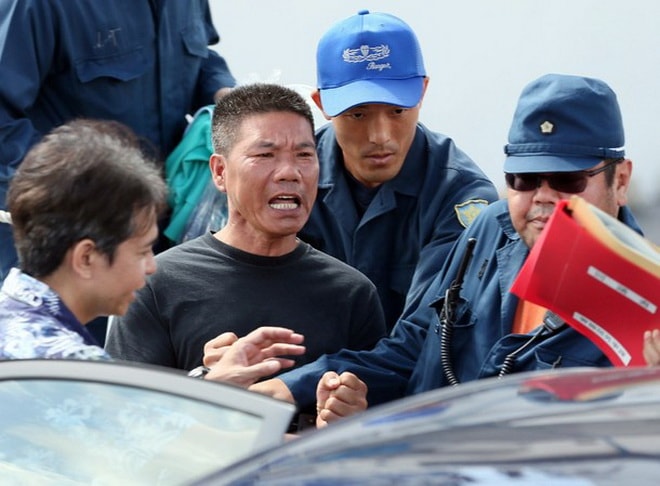 |
A Chinese activist is arrested by the Japanese coast guard - Photo: Getty Images |
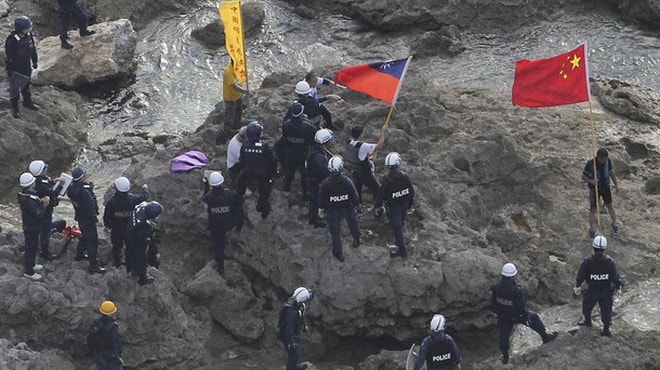 |
Chinese activists swarm onto the Senkaku Islands surrounded by Japanese coast guard forces - Photo: AP |
Xinhua News Agency reported that the Japanese coast guard arrested the individuals as they attempted to land on the island.
In a meeting with the Japanese ambassador in Beijing and via a phone call, Chinese Vice Foreign Minister Fu Ying expressed China's dissatisfaction with the latest incident between Asia's two largest economies.
Vice President Fu “demanded that Japan ensure the safety of the 14 Chinese citizens and release them immediately and unconditionally,” according to a statement from the Chinese Foreign Ministry on its website.
Reuters, citing Japanese media, confirmed that they had arrested all 14 people, including Chinese, Hong Kong, and Macau nationals, in the Senkaku Islands area, located between Taiwan and Okinawa.
Xinhua News Agency accused Japan of escalating tensions "to a new level."
"These tensions are entirely due to the irresponsible and self-promoting efforts of Japanese politicians to claim sovereignty over the islands, which undisputedly belong to China," Xinhua wrote in an editorial published on August 15.
U.S. State Department spokeswoman Victoria Nuland said Washington does not take sides in the Sino-Japanese dispute, but wants things to be resolved peacefully. “We hope the claimant parties resolve the issue through peaceful means, and any provocation would be counterproductive,” Reuters quoted Nuland as saying.
The U.S.-Japan security treaty stipulates that the U.S. is obligated to defend territories controlled by its ally Japan, including the disputed islands.
Former U.S. Deputy Secretary of State Richard Armitage commented to Reuters that it is currently “impossible to answer” the hypothetical question of Washington’s response if the islands were attacked, without knowing the full extent of the specific circumstances under which such an event would occur.
According to Tuoi Tre - DT