

The Prime Minister approves the plan to reduce hospital overcrowding.
The Prime Minister has just approved it.
The Prime Minister has just approved it.ProjectThe plan to reduce hospital overcrowding during the period 2013-2020 aims to gradually reduce hospital overcrowding in both outpatient and inpatient treatment areas; essentially eliminate the practice of patients sharing beds by 2015; and strive to eliminate hospital overcrowding from 2020 onwards.
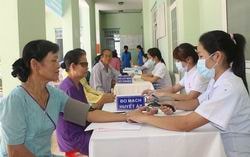
Gradually reduce hospital overcrowding in the outpatient and inpatient treatment areas.
- Illustration
The plan states that, in the short term, the focus will be on reducing overcrowding in the following specialties: Oncology, Surgery - Trauma, Cardiology, Obstetrics and Pediatrics at several central-level hospitals and tertiary hospitals in Hanoi and Ho Chi Minh City, while improving the quality of medical examination and treatment.
Increase the bed occupancy rate of district and provincial hospitals with low bed occupancy rates to 60% by 2015 and 80% by 2020.
Reduce the bed occupancy rate of hospitals with excessively high occupancy (>120%) to below 100%. Reduce the waiting time and number of patients at the outpatient departments of hospitals with excessively high bed occupancy; ensure that each doctor examines no more than 50 patients per working day by 2015 and 35 patients per working day by 2020.
Establish a network of satellite hospitals for 5 specialties.
According to the plan, investment will be made in upgrading and expanding hospital infrastructure to increase the number of beds for oncology, surgery-trauma, cardiology, obstetrics, and pediatrics specialties. Specifically, investment will be made in building new hospitals, upgrading existing ones, and expanding existing ones within the scope of the plan, aiming to increase the number of beds by at least 7,150 by 2015.
In addition, continue to renovate, expand, and gradually modernize the outpatient departments of existing hospitals with excessively high bed occupancy rates at the central and tertiary levels in Hanoi and Ho Chi Minh City.
Simultaneously, review, revise, and supplement the national and local hospital network development plans to ensure an appropriate structure and ratio of hospital beds between technical levels and specialties by 2020. First and foremost, prioritize increasing the number of hospital beds at the provincial level for five specialties: Oncology, Surgery - Trauma, Cardiology, Obstetrics, and Pediatrics.
Priority should be given to establishing a network of satellite hospitals for five specialties: Oncology, Surgery - Trauma, Cardiology, Obstetrics, and Pediatrics, with a focus on using several central-level hospitals and tertiary hospitals in Hanoi and Ho Chi Minh City as core hospitals; simultaneously, developing several provincial and district-level hospitals as satellite hospitals of these core hospitals; striving for each of the aforementioned specialties to have at least 15 satellite hospitals or departments.
Pilot program for family doctor clinic model.
The plan is to build and develop a model of family doctor clinics integrated with existing healthcare facilities to enhance management capacity and provide comprehensive and continuous healthcare services to people and their families. Initially, from 2013 to 2015, a pilot program will be implemented to establish a network of family doctor clinics in Hanoi, Ho Chi Minh City, and several other localities.
Continue to strengthen and improve the network of commune health stations nationwide; at the same time, focus on investing in and upgrading commune health stations to meet national standards as prescribed, in conjunction with the New Rural Development Program.
The project will be implemented in two phases. Phase 1 (2013-2015) will prioritize investment in central-level hospitals and tertiary hospitals in Hanoi and Ho Chi Minh City. Phase 2 (2016-2020) will continue to invest in hospitals within the scope of the project, from central to local levels.
According to (Chinhphu.vn) – LT