

Can allergies cause complications in children?
Allergies are common in children, not only because they are easily contagious, but also because children's immune systems are still weak and not strong enough to fight off bacteria.
Some recent research suggests that children can develop allergies at a relatively young age, from around two years old onwards.
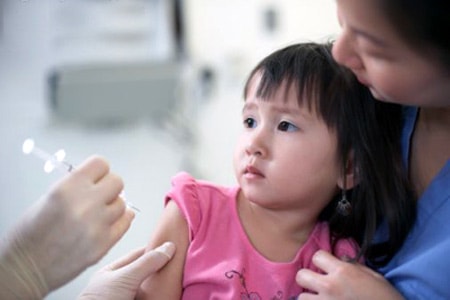
Most children suffer from these conditions.allergyWhen they play together at school, in the park, or at home, children are susceptible to allergies because they don't understand the risk of infection and tend to be curious, tasting everything around them, carelessly wiping their noses, playing with dirt and sand, and handling food with their hands... Therefore, you need to teach children how to maintain hygiene and prevent them from gnawing on dirty objects.
Symptoms of allergies
If these symptoms persist for several weeks, it can be definitively concluded that the child has an allergy. These conditions, if not properly diagnosed, can lead to more complex complications such as...sinusitisor ear infections.
In exceptional cases, if children frequently experience allergies, they may suffer from hearing loss or develop asthma or eczema.
Causes of allergies
Most common allergens are dust, strong odors, certain foods, pet dander, mold, and clothing materials like wool. Personal hygiene products and detergents such as soap, shampoo, and body wash can also cause allergies. Some people, especially children under seven, are prone to skin allergies due to their body's reaction to everyday chemicals. Another factor contributing to allergies is genetics. If parents have an allergy, their children are also likely to develop it.
Although the cause of allergies can be identified, they cannot resolve on their own, except in cases of food allergies.
Allergy diagnosis
The best way to identify potential allergens is through blood tests. However, these types of tests have been shown to be effective only in children three years of age and older.
For younger children, the only way to identify the allergen is to understand the cause, duration, frequency, and whether the allergy is seasonal or weather-related… in order to reach the most accurate conclusion.
Monitoring and recording instances of allergic reactions in children can help doctors accurately identify the specific type of allergy the child has.
Prevention
- Limiting eating out will also reduce the risk of food allergies, as street food is often unhygienic and contains many chemicals and preservatives.
- Keeping the house clean, regularly wiping away dust and dirt, using damp cloths when cleaning, and using doormats and curtains to prevent dust from flying around the house, and not keeping pets such as dogs and cats... will greatly reduce the risk of allergies when children are at home.
- Maintain hygiene and teach children how to keep themselves clean, especially their hands – the part of the body that frequently comes into contact with many things that can spread disease.
Take extra care of your child during seasonal changes or when the weather changes to boost their immunity and help them fight off weather-related allergens.
According to Women Online - NT