

5 Simple Ways to Effectively Prevent Cardiovascular Disease
There are things in life that seem very simple but can effectively help reduce your risk of cardiovascular disease.
1. Eat plenty of green vegetables, fruits, and fish.
Green vegetables are incredibly rich in nutrients. Their antioxidants help boost cardiovascular health.
Antioxidants reduce the risk of heart disease due to their anti-inflammatory properties on blood vessels. At the same time, they help remove plaque buildup in the arteries.
Fruits and vegetables, such as oranges, bananas, and mushrooms, are also rich in potassium, which helps regulate blood pressure. Doctors recommend eating 5-9 servings of fruits and vegetables (three different vegetables and two different fruits) each day to ensure a balanced intake of the nutrients your body needs.
In addition, incorporating seafood into your daily diet is also very important, especially fish. You should include types of fish such as salmon and sardines in your diet twice a week to help your body get omega-3 fatty acids. These fats can also reduce the risk of heart disease by lowering your blood pressure and triglycerides.
2. Reduce consumption of unhealthy fats.
A low-fat diet is considered a "shield" against cardiovascular disease. What you should do is try to reduce the amount of saturated fat found in dairy products, meat, etc., in your daily diet. This is the culprit that increases bad cholesterol levels and decreases good cholesterol.
Nutritionists recommend that saturated fat should only make up about 1% of daily food intake. Additionally, foods like margarine, oils, fried foods, and pastries are not good for people with cardiovascular disease, so these should be consumed in moderation.
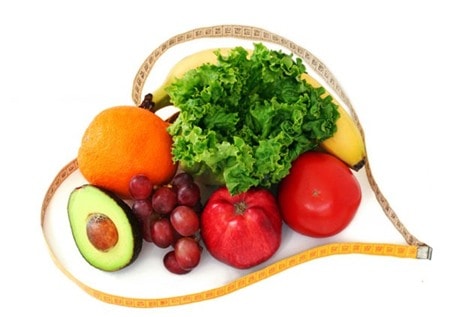
There are some very simple things in life that can help reduce your risk of cardiovascular disease. (Illustrative image)
3. Know your health status.
Knowing your health status will help you stay healthier. Visit your doctor to check your cholesterol levels, blood sugar, and signs of diabetes, as well as your blood pressure, to be sure of your current health condition. If you are at risk for cardiovascular diseases, your doctor will guide you on how to adjust your diet, work, exercise, etc., to best suit your needs.
Another important point is that cardiovascular diseases are largely hereditary. Therefore, if there is a history of the disease in your family, you should pay even more attention and get a health checkup early.
4. Exercise regularly.
Exercise can increase high-density lipoprotein—often called "good" cholesterol—and decrease low-density lipoprotein—"bad" cholesterol.
You don't necessarily need to exercise at a high intensity; just 30 minutes of walking each day can help regulate your cardiovascular system, increase your heart rate, and reduce the risk of cardiovascular disease.
5. Do not smoke.
Say no to cigarettes. Smoking increases the risk of developing coronary heart disease by 2-4 times. Additionally, smoking narrows arteries, increases blood pressure, and thickens the blood, making it more prone to clots, which can lead to heart attacks.
In particular, if you smoke, those around you will also be exposed to "passive smoking." This significantly affects the health of those around you. Non-smokers who are regularly exposed to cigarette smoke are also at risk of developing heart disease.
According to Young Intellectuals - PC