

What should you drink and eat to cool down in the hot weather?
During hot weather, our bodies often become fatigued due to dehydration; acne, diaper rash, and other skin problems also tend to increase. Therefore, a suitable diet is necessary.·
Below are some recommendations from Dr. Dao Thi Yen Thuy, Specialist Level 1, Ho Chi Minh City Nutrition Center.
Recommended drinks and food
You should remember to drink plenty of water.cool the bodyWater helps regulate body temperature, increase the elimination of toxins, and remove waste products. On average, an adult needs to drink about 1.5-2 liters of water per day, not including the amount supplied through soups and broths in meals.
Regarding the composition of daily drinks, it can be roughly divided into 10 parts, with six parts filtered water (purified water), two parts milk, and two parts fruit juice being ideal. People who play sports or work outdoors in hot weather need to drink more water to avoid significant weight loss and to dilute their urine to a clear yellow color (when visible).yellow urineDark oranges are a sign of dehydration.
Familiar cooling drinks like sugarcane juice, cogon grass root juice, plantain juice, etc., are delicious because of their mild sweetness and refreshing aroma. They help cleanse the body when you have many pimples or rashes, but you shouldn't drink them frequently because they are diuretics and can cause dehydration. Artichoke tea helps to cleanse the liver and gallbladder, and enhances detoxification. You can drink it if you like, but it cannot completely replace plain water or milk in your daily diet.
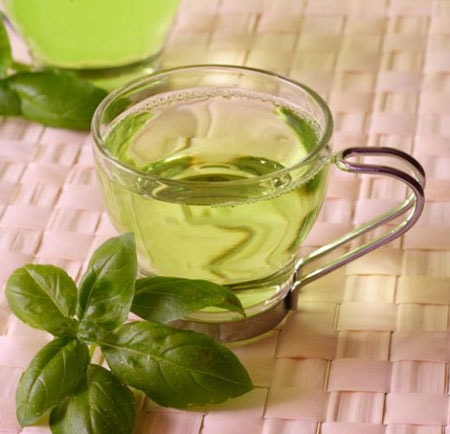
Green teaGreen tea is rich in antioxidants and is good for adults (it's not recommended for children), but you shouldn't drink it too strong as it can cause constipation, iron deficiency if consumed regularly, and insomnia in sensitive individuals. Limit green tea to a maximum of two or three cups per day; the rest of the time you should still drink water, milk, and eat fruit.
Soft drinks, fruit-flavored drinks... help quench thirst, but should only be consumed in moderation because they contain refined sugar, which should be consumed in moderation (less than 20g/person/day), not to mention the potential for chemical contamination from artificial sweeteners, colors, and flavors. Mineral water is recommended for people who exercise or work outdoors and sweat a lot, and for people with acute diarrhea to replenish mineral ions lost through sweat and stool within a short period of a few hours after dehydration; after that, plain water should still be used to rehydrate.
Therefore, for normal individuals (who do not experience significant mineral loss like the aforementioned groups), regular consumption of mineral water is not recommended, even though excess minerals are excreted if the kidneys function properly. Children under one year old and people with kidney disease should not drink mineral water, as weakened kidneys cannot excrete excess minerals, leading to their accumulation in the body and causing heart rhythm disturbances, high blood pressure, edema, etc.
Salads, steamed root vegetables, boiled gourds and pumpkins, and fruits are recommended foods during hot weather. Fatty, fried, and roasted dishes should be limited.
Pay attention to nutritional value and food safety and hygiene.
Nutritional value and food safety should be considered during this time. Besides choosing fresh food, it's important to properly store food after shopping, such as refrigerating it or cooking it thoroughly and consuming it promptly. When choosing canned goods, carefully check the packaging, select a reputable manufacturer, ensure the product is intact, displayed in a cool, well-ventilated place, within its expiration date, and stored according to the manufacturer's instructions.
Washing fresh fruits and vegetables involves three steps: rinsing off dirt, sand, and parasite eggs clinging to the leaves; soaking in clean water or salt water for about 8-10 minutes to dissolve pesticides; and then rinsing again one or two times until the water runs clear. For large leafy vegetables like cruciferous vegetables, it's best to wash them directly under running water to remove fertilizers and pesticides.
When eating out, pay attention to choosing establishments that ensure hygiene and food safety; have clean, well-maintained tables and chairs, are free of flies, and are not near sewers or garbage dumps.
Be wary of brightly colored foods and drinks, as artificial flavors and colors can cause food poisoning, even if not immediately, with long-term effects. Milk is a very good environment for microorganisms to grow, so it needs to be carefully stored, especially after it has been reconstituted. Fresh cow's milk is best pasteurized at 70°C for 30 minutes; if in doubt, boil it at 100°C for 5 minutes.
According to Women Online - NT