

Excessive use of licorice can cause muscle and heart disorders.
Licorice is a common ingredient in health-promoting cuisine. However, licorice is only effective when used correctly.
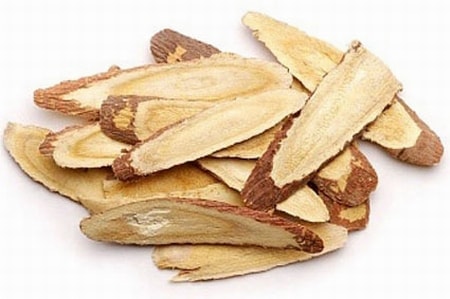
According to pharmacists, in traditional medicine, three types of licorice root are still used. Among them, Southern licorice root is used to treat detoxification, digestive and stomach diseases, and coughs.
Another type of licorice commonly used in folk medicine is Northern licorice, which we cannot cultivate and is mostly imported. The substance that gives Northern licorice its sweetness also acts as an excipient, guiding the medicine through channels to reach the organs for treatment. It also has a mitigating effect, meaning it reduces the heat of an overly hot medicine or the coolness of an overly cool medicine. In addition, Northern licorice is used in remedies for coughs, stomach aches, tonics, and pain relief.
Because of its detoxifying effects, many people use licorice daily without knowing that it contains 6-14% glycyrrhizin, with some types containing up to 23%, a substance that is 50 times sweeter than sucrose. Consuming more than 5 grams of glycyrrhizin at once can cause muscle spasms and heart rhythm disturbances. Therefore, not everyone can use this herb, and it should not be used frequently.
Licorice also contains anti-inflammatory components, so prolonged consumption can cause water retention and edema. For people with high blood pressure, consuming it can also increase blood pressure.
In addition, licorice can cause potassium excretion, which can have various effects on the heart and lead to muscle weakness.
For an average person, no more than two packets of herbal tea containing licorice should be consumed per day. It is also not advisable to use licorice-containing beverages such as Artemisia annua or other herbal teas as a substitute for water. Licorice is contraindicated for people with nephritis, chronic constipation, bronchitis, and unstable blood pressure.
According to VnMedia - NT