
Protect your child's skin.
UV (ultraviolet) radiation damage in childhood significantly contributes to the development of skin cancer in adulthood.
UV (ultraviolet) radiation damage in childhood significantly contributes to the development of skin cancer in adulthood.
The habit of applying sun protection measures should be formed from a young age and become an essential instinct, similar to wearing a seatbelt in a car. Teaching children to limit sun exposure will have a positive impact on minimizing the risk of skin cancer later in life.
Parents need to set a good example for their children.
According to Terry Selvin, President of the Cancer Prevention Association of Australia: “Many children get sunburned on weekends and holidays. Schools are teaching children how to protect themselves from the effects of the sun, but this still largely depends on whether parents reinforce those habits at home for their children.”
This goes beyond simply reminding children to wear hats and sunglasses when going outside; parents must also set a good example and explain why it's important to protect their bodies from the sun's rays. Selvin also advises that parents should teach children that tanned skin is a sign of damage. To maintain good health, they must learn to protect their skin from the sun using appropriate methods from now on. This is similar to the importance of eating plenty of fruits and vegetables.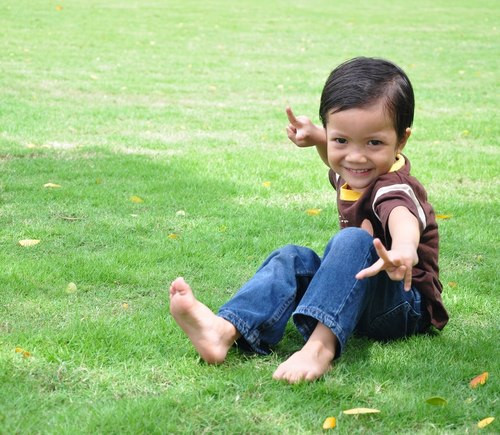
Teaching children how to protect their skin from the sun is essential.
Illustration photo: kolcraft
5. Ways to protect your child's skin that you need to teach them:
Play in the shade
Staying in the shade is one of the most effective ways to minimize direct sun exposure; however, sunburn can still occur due to the reflection of ultraviolet rays off surfaces such as concrete floors, water, and sand. Therefore, make sure you apply sunscreen to your child.
Wear a one-piece swimsuit.
Encourage children to wear one-piece swimsuits whenever they go swimming. Swimsuits stretch and become thinner with repeated use, reducing their protective effect. Therefore, swimsuits should be replaced when they become too old.
Wear a wide-brimmed hat when going out in the sun.
Children need to be taught that the best way to protect the skin on their face and neck is to wear a wide-brimmed hat when in the sun. Areas at high risk of cancer include the neck, ears, temples, lips, face, and nose.
Wear sunglasses
It's important to instill the habit of wearing sunglasses in children from a young age. The sunglasses you use for your child must be of good quality and appropriate for their age.
Get your child into the habit of applying sunscreen.
Children tend to enjoy outdoor activities, so it's important to get them used to applying sunscreen whenever they're outdoors.
Learn about the UV index.
Knowing the UV index in your area is very helpful in choosing appropriate sun protection measures and knowing which times of day to avoid sun exposure. Nowadays, you can easily download apps on your mobile phone that provide information on specific UV indices for each area.
The UV index indicates the level of ultraviolet radiation affecting the Earth's surface. The higher the UV index, the more harmful it is to the skin. Use sunscreen and other appropriate skin protection measures when the UV index is 3 or higher.
According to vnexpress.net - NT