

Nearly 50% of influenza patients are infected with the H1N1 virus.
According to Dr. Tran Nhu Duong, Deputy Director of the Central Institute of Hygiene and Epidemiology, the results of influenza surveillance in the first four months of 2013 showed that influenza A/H1N1 was circulating very widely with an infection rate of 48%. In contrast, the infection rate of influenza A/H1N1 the previous year was only 5-7%.
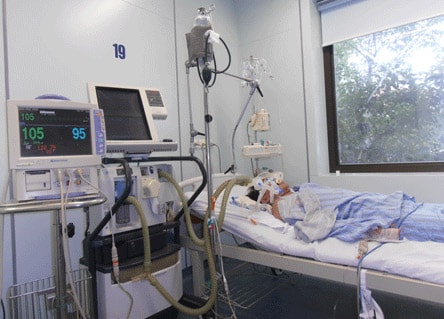
Influenza A/H1N1 is making a comeback, spreading widely, and accounts for 48% of all influenza strains.
Illustration photo: TC
The A/H1N1 strain is spreading rapidly in schools, with Lao Cao Ethnic Boarding High School being the first to record a cluster of A/H1N1 cases. Cross-infection has led to many students being absent from school, with 37 students showing flu symptoms. Tests on three samples at the Central Institute of Hygiene and Epidemiology confirmed that these students were infected with A/H1N1. Currently, these patients are isolated and receiving treatment on-site, and many have recovered from the flu.
Previously, clusters of A/H1N1 influenza cases were also recorded in Yen Bai and Thanh Hoa, including two deaths. Specifically, a 23-year-old man in Yen Bai died after more than a week of treatment at Bach Mai Hospital. His family members also contracted the flu but experienced mild symptoms and recovered. The cluster in Thanh Hoa was caused by an older brother who returned from Hanoi with the flu and infected several family members. Most of the infected individuals had mild symptoms, except for a 13-year-old girl whose condition worsened, developing respiratory failure and pneumonia, and who subsequently died. Tests of her samples confirmed she was positive for A/H1N1 influenza.
At the National Hospital for Tropical Diseases, during the past five-day holiday, two more cases of H1N1 influenza were admitted with severe symptoms, including pneumonia and respiratory failure. Notably, both families of these patients had multiple members exhibiting flu symptoms, leading doctors to believe these could be considered two separate clusters of cases. All other cases were mild and resolved spontaneously; only the two severe cases required hospitalization.
According to Dr. Tran Nhu Duong, Deputy Director of the Central Institute of Hygiene and Epidemiology, the results of influenza surveillance in the first four months of 2013 showed that influenza A/H1N1 was circulating very widely with an infection rate of 48%. In contrast, in 2012, the infection rate of influenza A/H1N1 was very low, only 5-7% of the total samples monitored.
"Recent studies show that there has been no change in the virulence of this influenza strain towards becoming stronger. As for the fact that some young, healthy people can still die, it is because these are people with sensitive constitutions, so when they get sick, the disease progresses quickly, causing respiratory failure, multiple organ failure, and death," said Dr. Duong.
According to Dr. Nguyen Hong Ha, Deputy Director of the Central Hospital for Tropical Diseases, after the A/H1N1 influenza pandemic, this strain of influenza continues to appear and circulate as a seasonal flu virus. Therefore, it is natural that there are patients infected with this flu.
However, the A/H1N1 influenza virus is highly contagious but not highly fatal. In contrast, the H5N1 and H7N9 influenza viruses are highly fatal, and if these strains recombine, they could create a new virus that is both highly contagious and extremely deadly.
Associate Professor Dr. Nguyen Van Kinh, Director of the Central Hospital for Tropical Diseases, stated: “Over 90% of cases of influenza A/H1N1 have mild symptoms, with only a very small percentage progressing to severe illness. However, people should not be complacent. When experiencing flu symptoms, they should isolate themselves to avoid infecting others. If symptoms worsen, they should seek medical attention for treatment. In reality, severe complications from influenza A/H1N1 are often due to patients arriving at the hospital too late, missing the “golden time” for Tamiflu use – the first three days after symptoms appear – to inhibit viral replication in the body, reduce the viral load, and make the illness less severe.”
(According to Dan Tri Newspaper) - LH