

What can be done to prevent constipation in children?
Constipation is a condition where children have infrequent, hard, and dry bowel movements, mainly due to an unbalanced daily diet.
·
A child is considered constipated when their stools are hard, dry, and infrequent. For children under 1 year old, if they only have one bowel movement a day but the stool is soft, pliable, and of normal volume, it is not considered constipation. For older children, having 2-3 bowel movements a day but with hard, dry, and infrequent stools, accompanied by pain, burning, and redness around the anus, is still considered constipation.
Some common causes of constipation in children include:
Children who drink cow's milk are more susceptible toconstipationConstipation in breastfeeding mothers is often worse than breastfeeding. Congenital defects include: megacolon, dilated colon, anal fissures, or hemorrhoids; rickets, malnutrition, anemia; and prolonged antibiotic use. Psychophysiological factors include: fear of dirt or foul odors, and failure to establish regular bowel habits.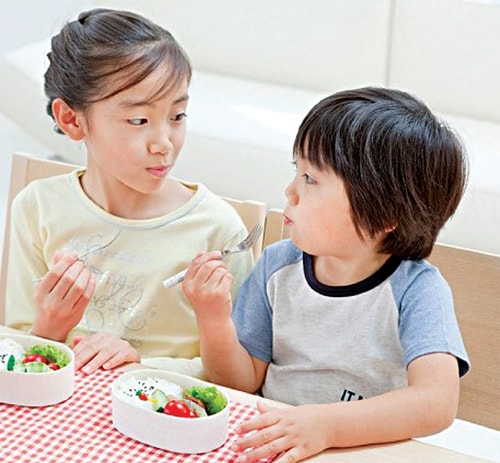
How to fix it:
When constipation is diagnosed in children, it is necessary to increase their fluid intake, ensure they eat enough food daily, and provide them with plenty of nutritious food.fiberEat plenty of fruits and vegetables, choosing those with laxative properties such as sweet potatoes, spinach, amaranth, and fruits like bananas, papayas, grapefruits, oranges, and tangerines.
Infants who are constipated from cow's milk should have their milk diluted slightly more than usual. For breastfed infants, if the mother is constipated, she should eat more fruits and vegetables, drink plenty of water, and develop a habit of including vegetables in her meals. Older children should exercise and avoid sitting for too long, which will help alleviate their constipation.
Parents need to establish a regular bowel movement routine for their children, at consistent times. Choose a convenient time and avoid making the child sit on the potty or toilet for too long. Constipation can occur in children who are not breastfed but are fed cow's milk or formula. In this case, the mother needs to choose a suitable, commonly available formula, preferably one rich in natural fiber, to help boost the baby's immune function in the gut and support gut health. Any co-existing conditions such as rickets, malnutrition, or anemia should also be treated.
Currently, the overuse of stimulant laxatives leads to dependence and side effects. If a child experiences constipation lasting about a week, accompanied by symptoms such as abdominal distension, poor feeding, excessive crying, vomiting, and malnutrition (especially in infants), they should be taken to a medical facility for diagnosis, identification of the cause, and specific treatment.
According to Health and Life - NT