

5 signs that you need to replace your tires.
If your tires show any of the five signs below, you need to replace them immediately to ensure safety.
1: The depth of the grooves on the tire
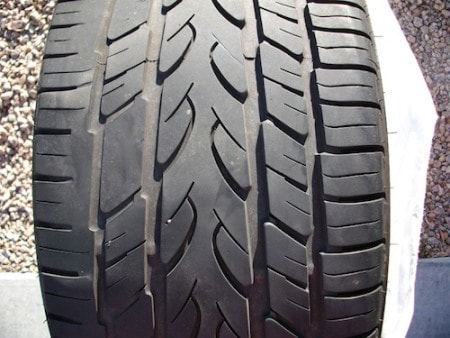 |
To ensure optimal traction, you need to make sure the tire treads are at least 1.6 mm deep. If you frequently drive on slippery or wet roads, it's best to double that depth. To check the tread depth, simply buy a thin plastic ruler, cut off (or subtract the length of) the unmarked sections at both ends, and insert it into the tire groove.
2: The tire wear indicator bar begins to appear.
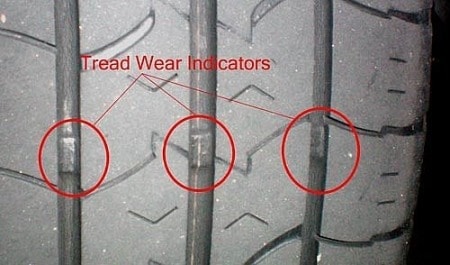 |
Modern tires have a valuable feature that older tires lacked: wear indicator bars located beneath the treads. These are small rubber ridges beneath the grooves, and are invisible (or difficult to see) when the tire is new. After some driving, they will gradually become visible. If one or two of these bars are clearly visible, it's usually time to replace the tires. However, if you want to save money, you can combine this with measuring the tread depth to determine if replacement is necessary.
3: Cracks appear
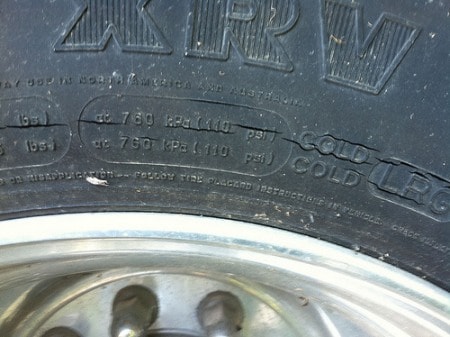 |
Not all signs of wear appear on the tire surface – they also appear on the sidewall. Due to pressure changes, small cracks can develop on the sidewall. Additionally, during operation, the tire may rub against sharp edges or be hit by sharp gravel, causing cuts. If these cuts are too numerous or too large, it's time to replace the old tire as soon as possible.
4: Bulges or peeling on the tire sidewall
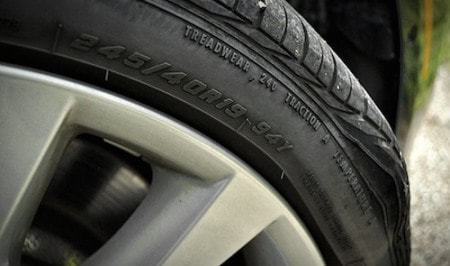 |
Sometimes the sidewall of a tire is the first place to show wear. This results in the appearance of bulges or peeling on the sidewall. These can cause a sudden tire blowout. Therefore, if you don't replace your tires immediately upon noticing bulges or peeling, the risk of serious accidents is very high.
5: Steering wheel vibration
 |
When driving, steering wheel vibration is unavoidable, especially when traveling on gravel roads. However, after some time behind the wheel, you will develop a conditioned reflex and be able to recognize abnormal vibration levels.
There are many reasons why your car's steering wheel might vibrate excessively. It could be that your shock absorbers are failing, the wheels are unevenly mounted, or even there's a problem with the engine. However, in most cases, the unusual vibration is caused by tire-related issues. Therefore, you should take your car to a garage for maintenance as soon as possible to get an accurate diagnosis.
According to VOV.online