

Bacteria and the astonishing numbers
Everyone knows that the vaginal area contains both harmful and beneficial bacteria. Under normal conditions, the number of bacteria doubles every 20 minutes, and after 4 hours, if not properly cleaned, the beneficial bacteria will become weaker than the harmful bacteria, causing an imbalance in the vaginal ecosystem.
You might not know this: Millions upon millions of bacteria reside on the body. The number of bacteria in each "area" varies greatly:
Our mouths contain over 600 types of bacteria.
• Up to 12 million bacteria reside on every square centimeter of skin surface on the body.
• Meanwhile, the female genital area contains 108-109 bacteria, with 20-30% of these bacteria and fungi being harmful to the woman's health. The number of bacteria living in the genital area is second only to the large intestine, and their rate of reproduction ranks third when given an ideal environment to thrive.
Why can bacteria in the genital area harm the health of the person affected?
Everyone knows that the vaginal area contains both harmful and beneficial bacteria. Under normal conditions, the number of bacteria doubles every 20 minutes, and after 4 hours, if not properly cleaned, the beneficial bacteria will become weaker than the harmful bacteria, causing an imbalance in the vaginal ecosystem. At that point, a significant number of harmful bacteria will have the opportunity to attack the vaginal area, leading to the risk of vaginal infections and directly affecting women's reproductive health.
What are the potential risks?
Although not directly life-threatening, genital infections disrupt personal life and sexual activity, causing a lack of self-confidence. In some cases, delayed or improper treatment can lead to complications such as fallopian tube stenosis, ectopic pregnancy, and, in the worst cases, infertility. For pregnant women, genital infections can lead to miscarriage or premature birth. Furthermore, bacterial infections can cause cervical ulcers, pelvic inflammatory disease, and even cervical cancer.
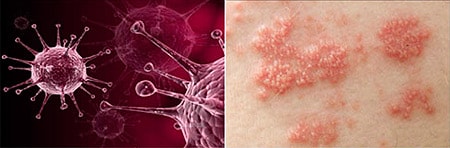
Parasitic bacteria cause infections in women's genitals.
According to statistics, nearly 80% of women have experienced vaginal inflammation at least once in their lives, and one-fifth of them have progressed to chronic inflammation. By the end of 2012, more than 4,000,000 women worldwide had died from cervical cancer. Meanwhile, the number of patients in Vietnam also reached nearly 100,000 women. Surprisingly, the locality with the highest incidence of cervical cancer is Ho Chi Minh City. For every 100,000 people, there are 20 new cases caused by bacteria attacking the "genital area." This is a consequence of "forgetting" to prevent the disease through proper care and hygiene of the "genital area."
Further reading information:
According to a recent survey by Kimberly Clark – a company with 140 years of experience in 175 countries in the women's and baby healthcare industry, including Huggies diapers, Kotex sanitary pads, etc. – up to 97% of Asian women do not fully understand how to care for their intimate areas. Remembering the following statistics will help you improve your knowledge:
- There are 108-109 bacteria living in the "genital area," of which 20-30% are harmful.
- Bacteria can multiply 4096 times in 4 hours if not eliminated through proper care and hygiene.
- Every 4 hours is the ideal time to clean the "intimate area," keeping it dry and preventing harmful pathogens from developing later on.
According to Khampha.vn - PC