

The US approves a civilian nuclear agreement with Vietnam.
On July 22, the US Senate Foreign Relations Committee approved a civil nuclear cooperation agreement with Vietnam, as Washington seeks to expand its relationship with Hanoi.
The agreement – signed by U.S. Secretary of State John Kerry and Vietnamese Deputy Prime Minister and Foreign Minister Pham Binh Minh in October 2013 on the sidelines of the East Asia Summit in Brunei – was approved by President Barack Obama in February of this year and is currently awaiting ratification by the U.S. Senate.
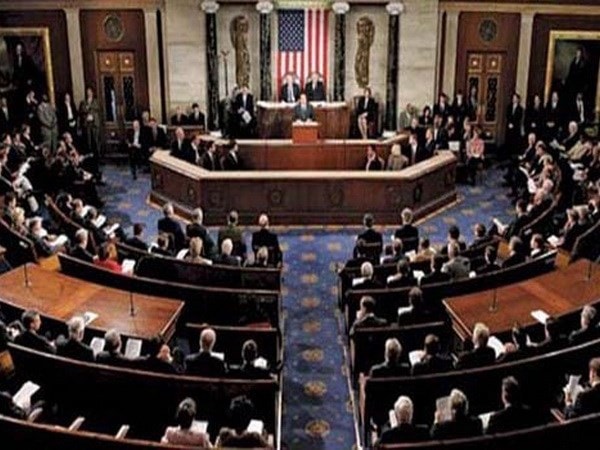 |
| A session of the U.S. Senate. (Source: AP) |
In response to the agreement, anti-proliferation activists and some U.S. lawmakers expressed concern that it did not prohibit Vietnam from enriching uranium or reprocessing plutonium, capabilities that could be used to develop nuclear weapons. To reassure them, Vietnam signed a non-binding memorandum with the U.S. stating that Hanoi had no intention of seeking such capabilities.
The Vietnam-U.S. civil nuclear cooperation agreement, also known as the 123 Nuclear Cooperation Agreement, will allow U.S. companies to enter Vietnam's expanding market for nuclear power development.
According to the US Department of Commerce, the agreement signed by the Obama administration with Vietnam will open the Vietnamese market to American companies, bringing in $10-20 billion for the US nuclear export sector, and creating more than 50,000 new high-paying jobs for American workers.
Vietnam's nuclear power market is currently ranked second in East Asia, after China, and is estimated to reach $50 billion in revenue over the next two decades. Nuclear energy is an option that Vietnam is pursuing to address its current energy shortage, with the goal of meeting over 10% of domestic electricity consumption by 2030.
Russia and Japan have nuclear cooperation agreements with Vietnam.
According to VNA