

Vietnamese military pilot training process
In just five years, the Air Force Officer School has trained 1,109 flight groups with 48,357 flights. So, what kind of rigorous training do the trainees undergo to become pilots?
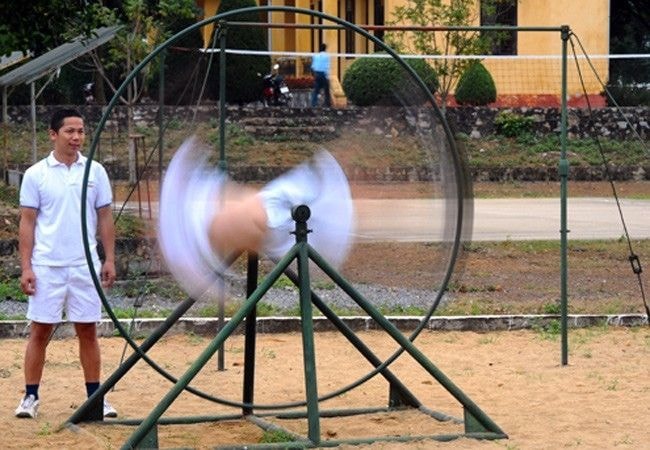 |
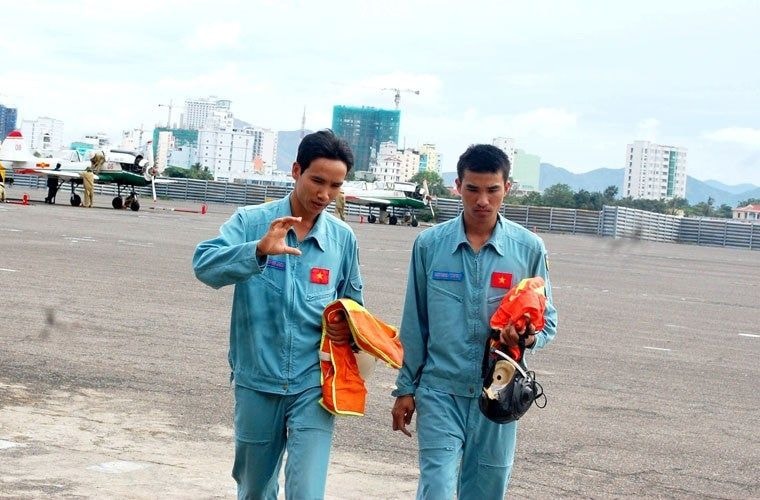
| It is a 'journey' that all the young pilots of the 70s and 80s generations of the 923rd Air Regiment (371st Division, Air Defense - Air Force Command) must overcome before mastering the skies of the Fatherland… |
 |
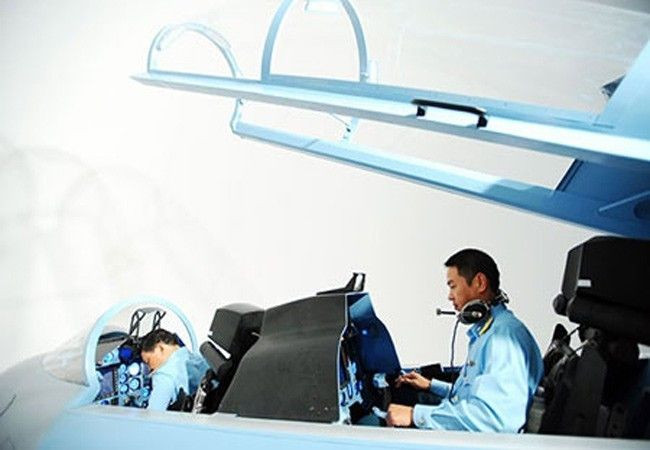
| From theory to flight training practice, pilots must undergo a long period of intensive training, starting with simulator flying and progressing to ground flying (i.e., training on the ground with procedures identical to those performed in the air). |
 |
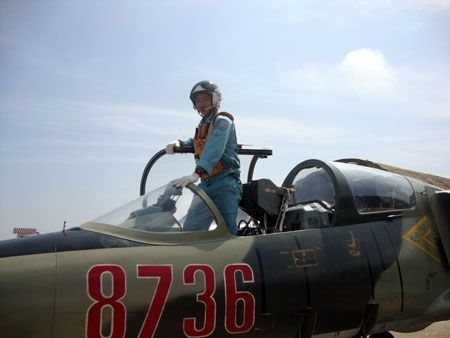
| For every pilot, health and the ability to handle challenging situations are always top priorities. For example, during a complex aerobatic flight, the pilot sitting in the cockpit experiences significant pressure on their body. During the maneuvers, blood from the brain can rush to the legs, causing cerebral ischemia, which can lead to impaired alertness. |
 |
| Some people, during the training for these flight exercises, have lost control. This disqualifies them from becoming fighter pilots. |
 |
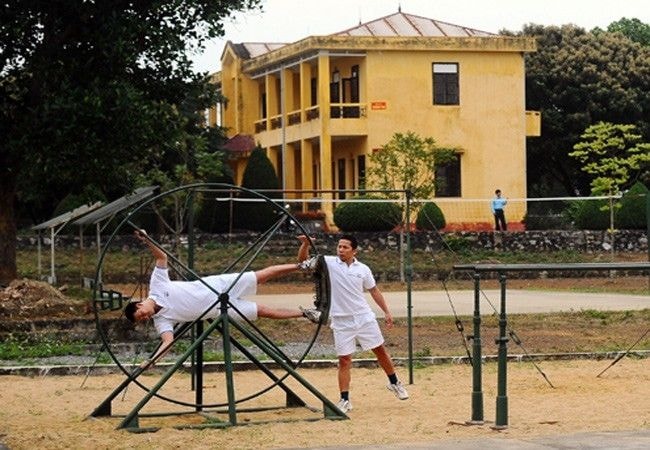
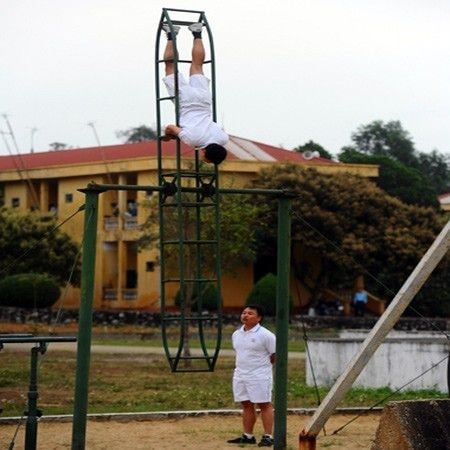
| Therefore, in order to participate in successful flight exercises, each pilot must impose strict discipline on themselves in physical training to improve vestibular function and enhance health and endurance, while simultaneously engaging in self-study and research to improve their skills and perfect themselves. Proficiency in foreign languages (especially Russian) is also a mandatory requirement. |
 |
| Reportedly, the 39th graduating class of the Air Force Officer School is the second military pilot training course implemented by the school with a shortened 4-year undergraduate program, and also the first year of practical flight training for helicopter pilot trainees without prior Yak-52 flight practice. |
 |
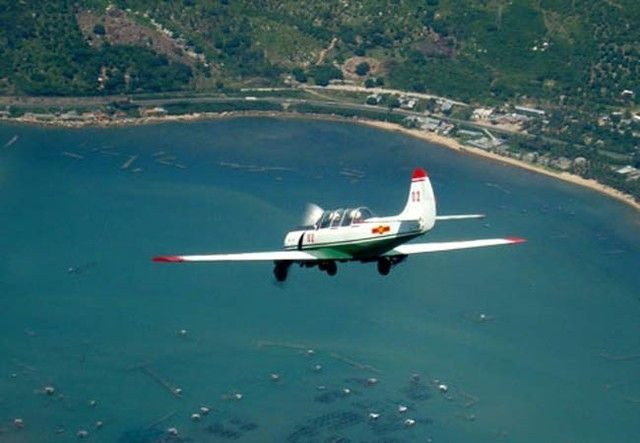
| Currently, all Yak-52 aircraft are deployed in the 920th Air Regiment (Air Force Officer School). All pilot trainees who later wish to fly the modern Su-27/30 fighter jets must undergo training on the Yak-52. |
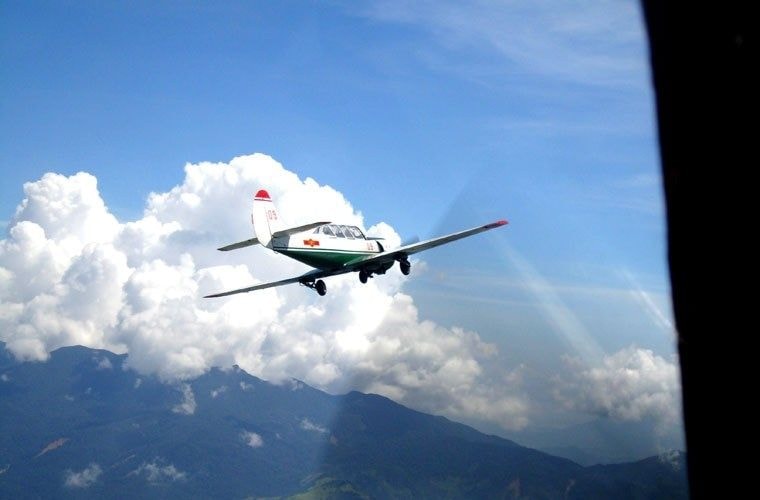 |
| The Yak-52 primary training aircraft is equipped with a Vedeneyev M14P engine with a twin-bladed propeller. The Yak-52 can reach a maximum speed of 272 km/h and a climb rate of 7 m/s. |
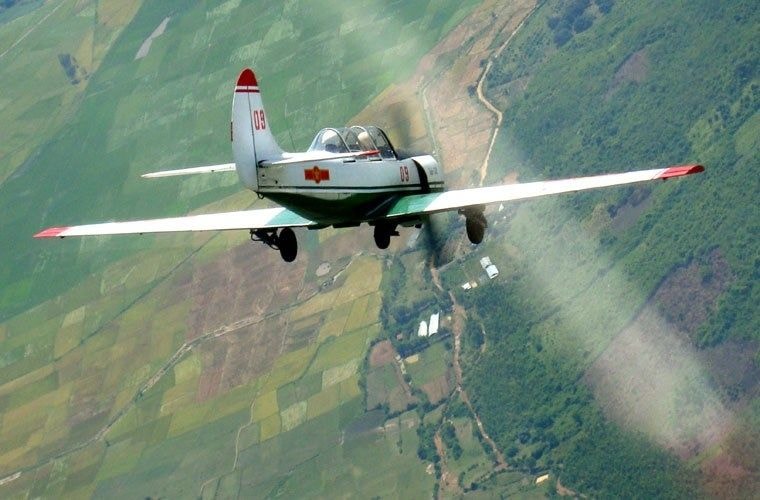 |
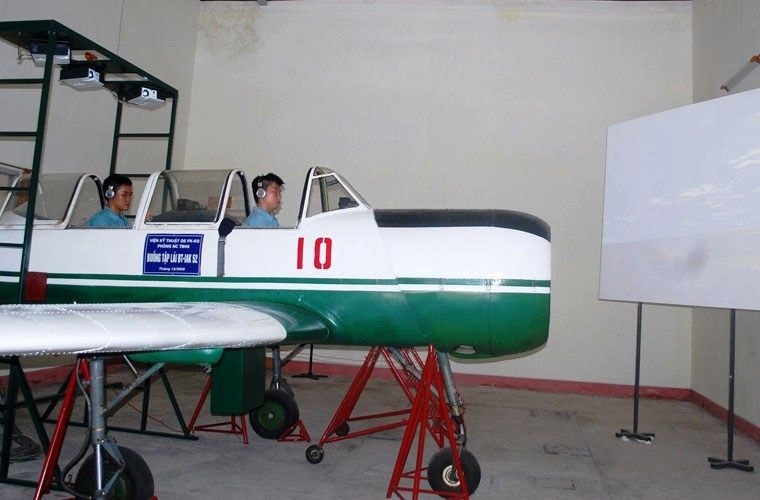
| The Yak-52 has a range of up to 510km and a ceiling of 4km. To practice on a real aircraft, trainee pilots practice flying in a Yak-52 cockpit simulator. |
 |
| In addition to the Yak-52 training aircraft, Vietnamese military pilots are also trained with the L-39, a multi-purpose training aircraft developed in the Czech Republic. |
According to Dat Viet