
Eating pineapple helps detoxify the body and promotes liver health.
Pineapple is one of the best foods for maintaining liver health.
Pineapple is one of the best foods for maintaining liver health.
Pineapple is a popular tropical fruit. It contains up to 16 natural minerals and many vitamins essential for the body.
Therefore, pineapple is one of the few fruits that are effective for weight loss, and it is also beneficial for people with constipation, sore throats, etc. In particular, pineapple is one of the best foods for maintaining liver health.
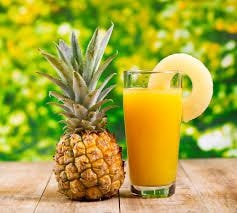 |
Pineapple is good for the liver.
Protecting the liver is extremely important for maintaining health. Without protection, the liver can develop diseases such as liver dysfunction, hepatitis, fatty liver disease, and more dangerously, cirrhosis or liver cancer. However, there are simple, inexpensive foods like pineapple that are very effective in protecting the liver.
Pineapple is a popular tropical fruit. It contains up to 16 natural minerals and many vitamins essential for the body.
Scientists say that pineapple is one of the few fruits that are effective for weight loss, and it is also beneficial for those with constipation, sore throats, colds, and even helps brighten the skin.
Pineapples contain vitamin C, B-complex vitamins including folate, thiamin, pyridoxine, riboflavin, and many minerals such as potassium, calcium, phosphorus, and manganese. In addition, pineapples contain natural soluble and insoluble fiber and are remarkably low in calories.
One of the compounds found in pineapple, called bromelain, is actually good for liver health. It's an enzyme that helps break down toxins in the human body and aids in their elimination.
Pineapples are also rich in vitamin C, which helps boost the immune system; it is estimated that fresh pineapple juice contains up to 75% of the body's daily vitamin C requirement. The B vitamins in pineapple aid in the body's metabolism, help regenerate bone marrow, and increase calcium for strong bones.
Currently, the number of people suffering from fatty liver disease is increasing, and pineapple is a natural, drug-free solution for those with this condition. It helps detoxify the body and cleanse liver cells.
Bromelain is most abundant in the pineapple core, up to 20 times more so than in the flesh, so you shouldn't discard the core when eating this fruit. Pineapple promotes digestion, and its high fiber content aids metabolism. Drinking pineapple juice once a day can help eliminate body fat.
How to eat pineapple the right way
The following tips will help you eat pineapple without harming your liver, making this tropical fruit the safest and most beneficial for your health:
- When consuming foods rich in manganese, such as beans, nuts, and eggs, you should avoid eating too much pineapple.
- It is best to eat fresh pineapple or drink fresh pineapple juice to maximize its nutritional benefits, as canned pineapple juice often contains artificial sweeteners and flavorings that are not good for your health.
- You should know that bromelain, a substance in pineapple that is very good for people with liver disease, is destroyed by heat, so pineapple should not be overcooked.
- In addition to diet, consuming fresh organic foods, drinking plenty of water, and eliminating processed foods are beneficial for people with liver disease.
Pineapple can also be harmful to the body if consumed in excessive amounts.
Not only pineapple, but any food, if consumed in excess, can disrupt nutritional balance and affect health. Pineapple is no exception; it contains a small amount of manganese, which stimulates fat metabolism and lowers cholesterol.
Although manganese is essential for human physiological functions, consuming excessive amounts of manganese-containing foods can cause poisoning, especially in people with liver disease.
According to nutrition experts, an adult should not consume more than 11 mg of manganese per day. For people with chronic liver disease, excessive manganese intake can lead to peripheral nervous system dysfunction, causing emotional disturbances, and affecting the liver, lungs, and cardiovascular system.
According to Health and Life