

How to eat clams without getting food poisoning?
In fact, eating clams can pose a risk of toxic algal poisoning, leading to memory loss, diarrhea, muscle paralysis, and other health problems.
After eating clams, some patients were hospitalized with symptoms such as vomiting, abdominal pain, diarrhea, and respiratory failure. These are signs of poisoning caused by the Vibrio parahaemolyticus bacteria present in clams. This type of bacteria can survive if the clams are not thoroughly cooked.
Previously, Vibrio was considered to cause mild, non-dangerous poisoning, but recently scientists have noticed a surge in poisoning cases and a tendency for them to cause more severe illnesses.
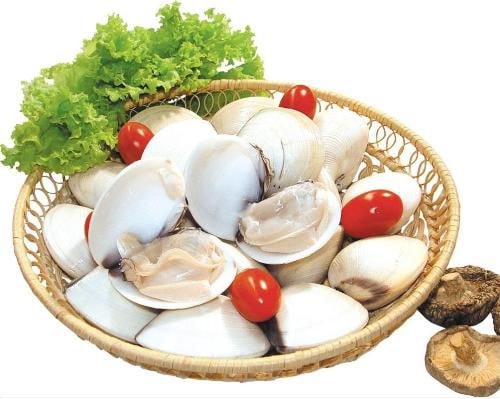
Besides the risk of bacterial infection, clams can also cause poisoning due to the presence of seaweed. While clams don't always contain seaweed, if they are farmed in coastal areas during seaweed seasons, the risk of poisoning is very high.
 |
Dr. Nguyen Tu Cuong, Director of the Vietnam Fisheries Technology Transfer and Service Center, stated: There are 75 species of seaweed, of which up to 38 contain toxins. Clams and mussels are bivalves, so they have the highest risk of seaweed contamination among all types of seafood.
Clams suck in water, squeezing it through while retaining waste products – plankton, including algae. Algae containing toxins cannot escape and accumulate in the clam's flesh, especially in its intestines. Consuming shellfish with high levels of toxins can be dangerous and even fatal.
Our coastal waters have experienced periods where algal blooms exceed safe limits many times over. When such information is received, experts usually advise people to stop harvesting clams. However, not all people understand and follow these recommendations correctly.
Identifying signs of algal poisoning
Of the 38 species of algae containing toxins, the most dangerous toxins that may be present in clams and mussels for humans are: DSP, PSP, ASP, and NPS.
DSP is a diarrhea-causing toxin produced when clams ingest toxic dinoflagellate algae, causing acute diarrhea 30 minutes to several hours after consumption. This species only causes intestinal disturbances, diarrhea, nausea, and abdominal pain; with timely treatment, recovery will occur within 3-4 days.
PSP is a toxin that can cause paralysis, appearing 30 minutes after ingestion with symptoms such as numbness in the lips, neck, and face, a tingling sensation in the fingers and toes, headache, dizziness, and nausea. Patients may experience slurred speech, rapid pulse, and difficulty breathing.
ASP and NSP are toxins that can cause brain damage and memory loss. Initial symptoms include nausea and diarrhea, followed by effects on the stomach and nervous system, causing dizziness and fainting. High concentrations can destroy nerve cells temporarily or permanently, leading to memory loss and death.
To enjoy clams deliciously and safely.
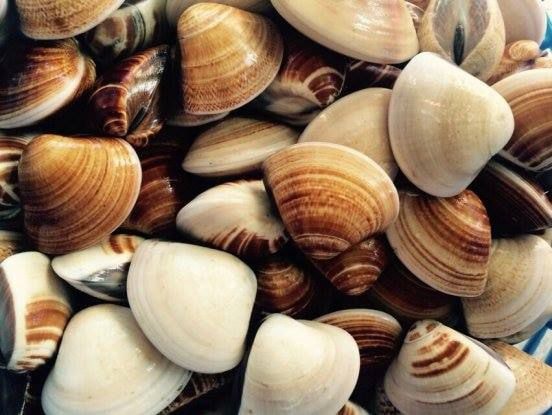 |
To avoid contamination with harmful bacteria and algae, you should buy clams from familiar and reliable sources. When there are reports of algae appearing in a particular sea area, you should review your clam supply to see if the clams actually come from that area and if they have been inspected.
To minimize the risk of poisoning from Salmonella and Vibrio parahaemolyticus bacteria, you need to cook clams thoroughly.
High temperatures do not destroy toxins from algae. If you eat them in small amounts, they can accumulate in your body. Therefore, experts advise people to regularly check for warnings about toxic algae blooms and to stop eating these shellfish if they appear.
According to suckhoegiadinh.com.vn