

People who should not eat eels or loaches.
Eels and loaches can be prepared into many delicious dishes that are loved by many people. However, there are some people who should not eat eels and loaches because it can negatively affect their health.
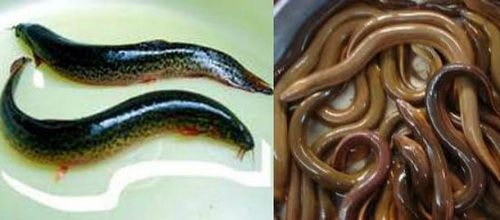
Eels and loaches are highly nutritious. 100g of eel meat contains 12.7g of protein; 25.6g of fat, including 0.05g of cholesterol and 285 calories. It also contains vitamins such as: vitamin A and beta-carotene: 2000 IU, vitamin B1: 0.15mg, niacin: 2.2mg, riboflavin: 0.31mg, biotin: 5mcg, vitamin B6: 0.28mg. Minerals: iron: 0.7mg, sodium: 78mg, potassium: 247mg, calcium: 18mg, magnesium: 18mg, phosphorus: 160mg. 100g of eel meat contains 16.9g of protein, 2g of lipids, 3.2g of carbohydrates, 169mg of calcium, 327mg of phosphorus, 3.2mg of iron, and vitamins B1, B2, PP, and E…
 |
In summary, dishes made from eel and loach are very beneficial to health. However, you should not eat eel or loach if you fall into any of the following categories.
People who are taking red Polygonum multiflorum medicine
Red Fo-ti root is primarily known as a tonic, treating nervous exhaustion, enriching the blood, strengthening tendons and bones, and darkening hair and beard... However, those taking red Fo-ti root should avoid eating scaleless fish such as eels and loaches.
Here are some things to keep in mind when eating eels and loaches to ensure your health.
Eels typically burrow in muddy ponds, swamps, and murky water. Because they live in such dirty environments and have an omnivorous diet, their digestive systems and even their meat can be contaminated with bacteria and parasites. According to research by Professor Tran Vinh Hien, scientific advisor at the Ho Chi Minh City Hospital for Tropical Diseases, the infection rate of Gnathostoma spingerum larvae in both farmed and wild eels ranges from 0.8-29.6%, with lower rates during the dry season and gradually increasing during the rainy season.
Professor Tran Thi Kim Dung, from the Department of Parasitology at the Ho Chi Minh City University of Medicine and Pharmacy, also warned that the incidence of Gnathostoma spingerum larval infection is quite high in people who habitually eat undercooked food such as stir-fried eel or raw eel salad.
It should also be noted that because eel meat is rich in protein, especially the amino acid histidine—an "essential" amino acid for children; normally histidine is very good for the body, but when the eel dies, this amino acid transforms into histamine, a toxic substance that causes harmful immune allergies in humans.
In short, eel is a very good and nutritious food for the body. However, according to Professor Dr. Nguyen Thi Lam, Deputy Director of the National Institute of Nutrition, two things should be noted when preparing it: firstly, it must be cooked thoroughly to completely eliminate heat-resistant parasites, which are quite numerous in eel meat; and secondly, do not use eel meat that is dead or spoiled.
After eating eel, one should avoid eating foods with a cooling nature such as bananas, watermelon, and seafood like shrimp and crab.
According to GĐVN