

Foods that help keep you warm in winter.
Eating plenty of protein-rich foods, red-colored foods, seaweed, etc., will help you increase your resistance to the cold weather during the upcoming cold season.
Foods rich in iodine
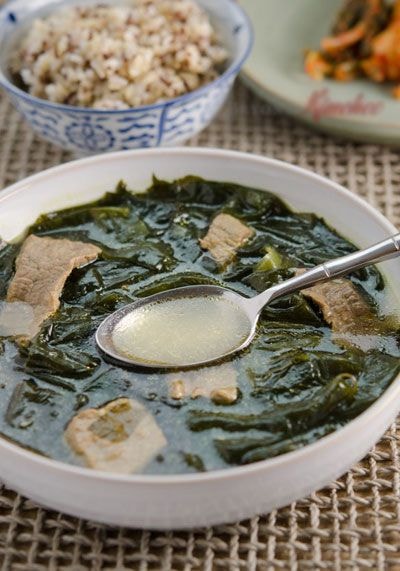 |
Iodine is a key ingredient in the synthesis of thyroid hormones. Thyroid hormones can promote the metabolism of proteins, carbohydrates, and fats in the body into energy, thereby generating heat and protecting against the cold.
Therefore, children should eat plenty of iodine-rich foods such as seaweed, jellyfish, shrimp, crab, clams, and mussels. In addition, black sesame seeds, sunflower seeds, dairy products, and green vegetables rich in amino acids also help improve the body's ability to withstand cold.
Foods rich in vitamin E
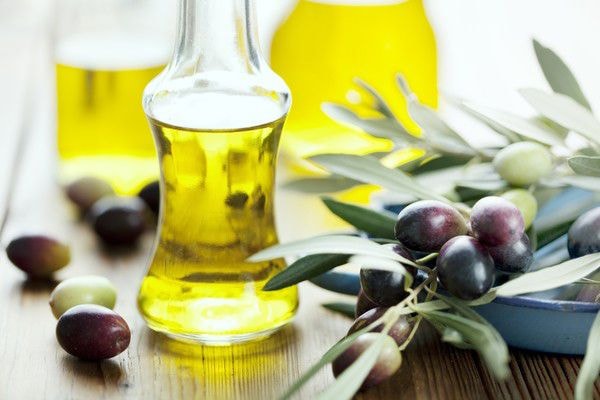 |
Vitamin E is abundant in oils such as olive oil, corn oil, peanut oil, sesame oil, etc. Lettuce leaves are also a rich source of vitamin E. In addition, most green leafy vegetables contain this vitamin, but in varying amounts.
Fresh milk, eggs, and cod liver oil also contain a certain amount of vitamin E. Meat, fish, and fruits, however, contain only very small amounts of this vitamin. It's worth noting that vitamin E also helps the body fight fatigue and weakness. Therefore, this vitamin is also essential for pregnant women and their unborn babies.
Red foods
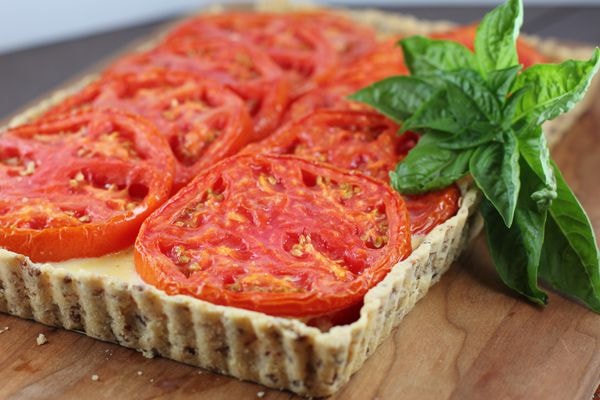 |
Red foods are best suited for the cold season because they contain plenty of protein, vitamins, minerals, and other elements that can maintain good health, improve the body's immunity, and increase resistance to cold.
These red foods are also rich in natural iron, antioxidants, and have antibacterial properties. In addition, red foods help stimulate visual senses and increase appetite in children.
These include red vegetables, fruits, and red meat. Vegetables like tomatoes, carrots, sweet potatoes, and red peppers are often rich in lycopene, polyphenols, anthocyanins, natural pigments, and also contain vitamins, iron, amino acids, and other nutrients. Red fruits like dates and pomegranates are rich in calcium and iron, helping to increase the body's ability to retain heat. Additionally, beef and lamb are also suitable foods during the cold season.
Foods containing vitamin B2
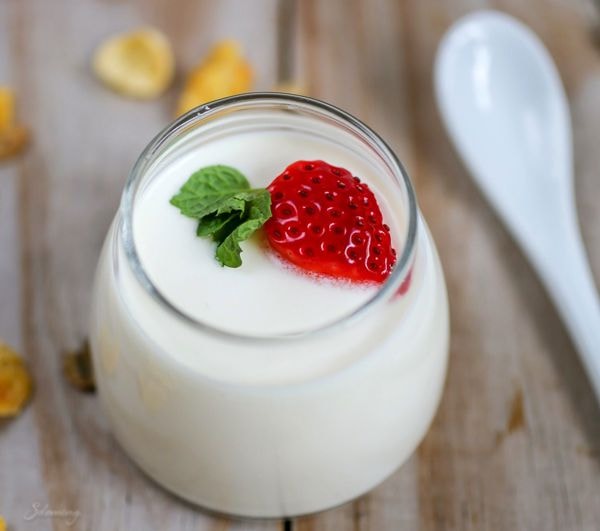 |
Dairy products are the best source of vitamin B2, especially cheese and yogurt. If your child doesn't like milk and related products, you can substitute them with eggs, fresh fruit, beans, nuts, liver, heart, poultry, and cereals.
You should also be aware that approximately 15-20% of vitamin B2 is lost during food processing, so you can balance nutrition when planning your child's meals on cold days. Additionally, some studies show that animal products contain higher levels of vitamin B2 than plant-based foods.
Protein-rich foods
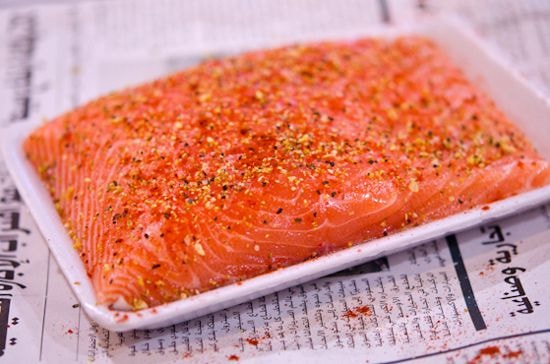 |
Experts suggest that some foods may stimulate thermogenesis better than others, such as protein-rich foods. They help the body generate heat more effectively than starchy or fatty foods, thus providing better warmth.
However, you should choose lean proteins such as fish, poultry, and lean meats to avoid consuming too much fat and calories.
According to SKĐS
| RELATED NEWS |
|---|