

Looking back at the world this past week: The world - old and new!
(Baonghean) - In the middle of the last month of the year, the world continues to receive much information about the migration crisis in Europe or the sanctions policy that the West has imposed on Russia. These stories are not new, but they contain figures and issues that are extremely topical…
Nearly 1 million people have migrated to Europe.
To date, an estimated more than 990,000 migrants have entered Europe, a "staggering" number according to many analysts. However, things could go even further, as the influx of people into the "old continent" shows no sign of stopping, and in just a few days, the International Organization for Migration predicts this number will officially reach and surpass 1 million. Faced with this alarming situation, the European Union's border agency (Frontex) is working to strengthen its forces to respond.
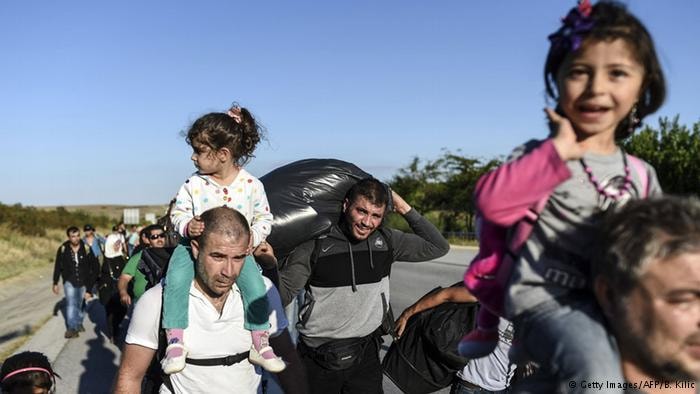 |
| The number of migrants entering the EU is about to surpass 1 million. Photo: AFP. |
The International Agency for Migration, headquartered in Geneva, Switzerland, announced on December 18th that nearly 991,000 people, including men, women, and children, have crossed the sea into Europe this year, and this alarming number is expected to continue to rise.
Joel Millman, a spokesperson for the International Organization for Migration, said: “We are seeing a massive influx of migrants at the end of the year and perhaps early next week, maybe even sooner, with estimates suggesting the number of migrants will surpass 1 million. This is extremely unusual.”
Why is this unusual? Let's try a small comparison: with 1 million migrants heading towards the promised land in 2015, that would be a record number, at least four times higher than in 2014! The announcement was made on International Migrants Day, further drawing attention from many sides.
The United Nations agency responsible for migration also released a report stating that sudden events on the planet due to war, conflict, and poverty have led to an unprecedented increase in the number of people forced to leave their homes: on average, one in every 122 people worldwide is forced to seek refuge elsewhere.
Clearly, the surge in migration from the war-torn Middle East and impoverished Africa has come at a heavy human cost, with at least 422 deaths at sea since October 16th – an average of seven fatalities per day on long sea voyages. Observers and analysts had hoped the situation would calm down as winter approached, similar to last year's events.
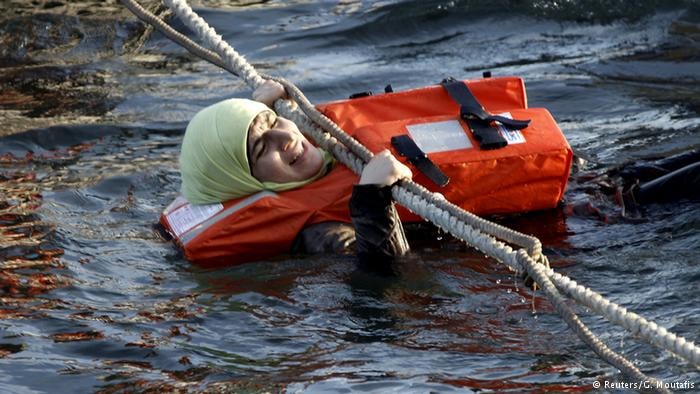 |
| The perilous journeys across the sea in search of a promised land for migrants fleeing war, conflict, and poverty. Photo: Reuters. |
However, the reality so far has been the opposite of what many people expected and hoped for. A considerable number of people are still risking their lives to travel to Europe, and most recently, around 4,300 people landed on the Turkish coast, near the Greek islands, on December 16th.
In a controversial move, the EU has pledged €3 billion ($3.25 billion) to Türkiye to prevent migrants from reaching the EU from its territory. Many human rights groups have criticized the plan, arguing that it is insufficient to guarantee that Ankara will treat migrants kindly, and that they could even be returned to conflict zones – something Turkey absolutely does not want.
Moreover, some European countries have reacted to the migration crisis by erecting barriers and increasing border forces, worried about the growing number of people seeking a better life on the continent. With such unpredictable developments, the migration crisis is unlikely to subside on the EU agenda in the short term, and 2016 will likely see even more upheavals in this "tragedy" that is currently plunging the EU into such difficulties.
EU sanctions against Russia extend for another 6 months.
On December 21st, the EU's decision to extend sanctions against Russia is likely to be approved, provided there is no opposition from member states. EU diplomats have agreed to extend the sanctions for another six months, citing allegations of Russia's role in the conflict in eastern Ukraine. Brussels has stipulated that, in order to lift the sanctions, Moscow must fully implement the peace agreement.
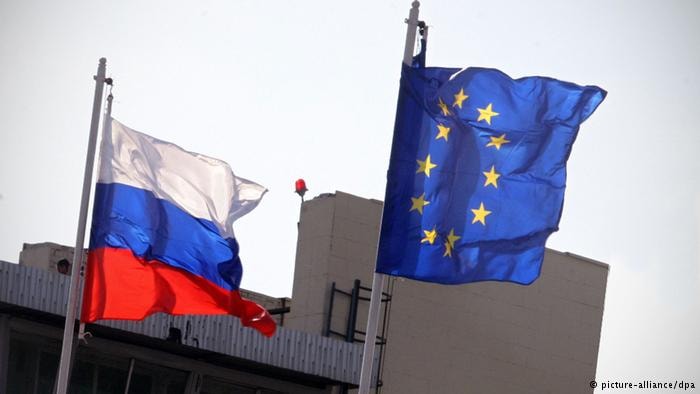 |
| Relations between Russia and the EU are likely to remain strained as Brussels plans to extend sanctions against Moscow until July 2016. Photo: dpa. |
According to AFP, a meeting on December 18th of ambassadors from the 28 EU countries agreed to expand sanctions against Russia, shortly after the EU summit in Brussels where the Italian Prime Minister stated he wanted further discussions on the sanctions before expanding them.
The EU's condition for lifting sanctions is the successful implementation of the Minsk peace agreement reached between pro-Russian rebel forces in eastern Ukraine and the Kiev government. Many in the West believe this agreement has not been fully implemented, and Moscow is accused of failing to use its influence to bring the rebel groups under control.
Thus, with relations between Russia and the West already strained, it is likely to become even more tense as EU sanctions are set to extend until the end of July next year. This means that EU citizens will be unable to buy or sell shares and long-term stocks in a range of banks, defense companies, and energy companies.
In addition, account freezes and visa bans will also be applied to 149 individuals and 37 entities. These restrictions also include a ban on the supply of military technology and energy-related equipment and technologies, a ban on investment and tourism services in Crimea and Sevastapol, to the extent that EU cruise ships are not allowed to dock in these areas except in emergency situations.
The sanctions against Russia were first imposed in July 2014, citing the EU's reaction to Moscow's annexation of Crimea. To date, the measures have aimed to hinder Russian imports and the access of its banking system to EU capital markets, exacerbating existing tensions between Brussels and Moscow.
If the situation continues without any signs of easing tensions, both sides will suffer losses, and the current figures of billions of dollars in losses for both Russia and the EU are only temporary estimates for the time being.
Thu Giang
(According to Deutsche Welle)
| RELATED NEWS |
|---|