

Warning of potential outbreak from a new SARS-like virus.
Scientists have just discovered a new virus, similar to the SARS virus, that can be transmitted directly from bats to humans without mutation. This is raising concerns about a potential future epidemic.
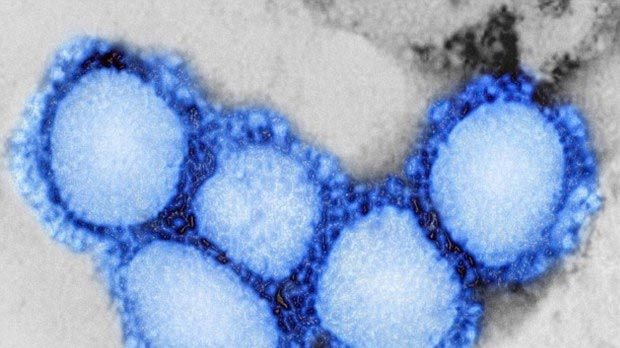 |
| The newly identified virus, SHC014-CoV, resembles the SARS pathogen and can spread from one species to another without mutation. Photo: Corbis |
Experts warn that there is currently no cure for the new virus, SHC014-CoV, which can spread from one species to another without mutation. However, they acknowledge that it remains unclear whether the disease caused by this virus is transmissible from person to person.
Dr. Ralph Baric from the University of North Carolina (USA), the lead researcher, said: "Studies have estimated the existence of nearly 5,000 types of coronaviruses in bat populations, and some of them have the potential to become pathogens that can cause harm to humans. So the question here is not whether there will be an outbreak caused by one of those coronaviruses, but when and how we can deal with it."
Researchers say their discovery is noteworthy because it highlights an ongoing controversy over the U.S. government's decision earlier this year to halt all functional trials on selected subjects. This move has stalled the development of vaccines or treatments for pathogens with the potential to cause outbreaks.
Severe acute respiratory syndrome (SARS) first spread from animals to humans in 2002-2003, leading to a worldwide outbreak with approximately 8,000 diagnosed cases. Nearly 800 people died during that outbreak.
The SARS-CoV virus causes those infected to exhibit flu-like symptoms, but it can progress more rapidly, impairing respiration and leading to a dangerous and potentially fatal form of pneumonia. The outbreak was brought under control through public health interventions, and the virus was initially thought to have become extinct since 2004.
Dr. Baric and his colleagues discovered that the newly identified SARS-like virus, SHC014-CoV, can also spread across species from infected animals, specifically the Chinese horseshoe bat. This virus attaches to the same receptors in the body as the SARS virus, allowing it to infect humans.
Furthermore, the research team found that the new virus also replicates similarly to SARS-CoV in the most vital human lung cells – the preferred target of infection.
Dr. Baric, an expert on coronaviruses, added: "The SHC014-CoV virus has a high pathogenicity. Meanwhile, the original SARS-CoV-2 treatments developed in 2002, as well as the ZMapp drug used to treat Ebola, cannot neutralize and control it. Therefore, building resources, rather than limiting them, to jointly test animal groups for new risks and develop cures is key to limiting future outbreaks."
According to vietnamnet
| RELATED NEWS |
|---|