

Harmful effects of introducing solid foods too early to babies.
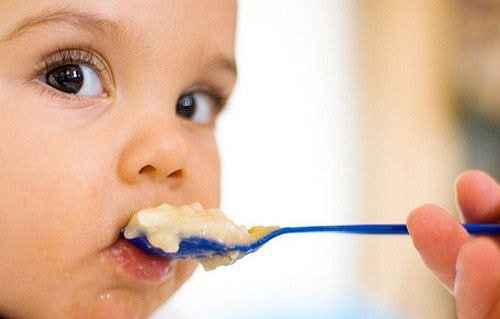
Babies who start eating solid foods before 6 months of age are more prone to digestive disorders, breastfeed less, and lack the necessary nutrients for development, thus increasing their risk of illness.
According to Associate Professor Dr. Nguyen Thi Lam, Deputy Director of the National Institute of Nutrition, in the neonatal stage, a child's digestive system is not yet fully developed, lacking sufficient digestive enzymes and digestive fluids, especially amylase, which is necessary for starch digestion. Therefore, if complementary feeding is introduced too early, children are prone to digestive disorders with symptoms such as bloating, loose stools, and sour-smelling feces due to the inability to digest and absorb food other than milk.
According to the World Health Organization (WHO), introducing solid foods too early can lead to reduced breastfeeding and insufficient nutrition to meet developmental needs. Early introduction of solid foods also increases the risk of illness due to a lack of immune factors found in breast milk.
Complementary feeding refers to the addition of other foods to a child's diet besides breast milk. According to WHO recommendations, the appropriate time to introduce complementary foods is at 6 months of age. Currently, many people believe that introducing complementary foods early will make children stronger and prevent hunger. Therefore, many babies are given complementary foods from 4, 5, or even 3 months old. This affects the utilization of breast milk, and children are more prone to digestive disorders leading to malnutrition. Many babies are brought to the National Institute of Nutrition for examination due to prolonged diarrhea.
 |
Conversely, babies who are introduced to complementary foods late, or whose breast milk supply is insufficient to meet their needs, will experience slow weight gain. They are also at risk of micronutrient deficiencies such as iron-deficiency anemia, which can significantly impact both their physical and intellectual development.
Associate Professor Lam recommends that babies should be exclusively breastfed for the first six months. Complementary feeding should only be introduced after six months. If a mother has to return to work when her child is only four months old, she can utilize her breast milk supply by breastfeeding before going to work, breastfeeding during lunchtime, increasing nighttime feedings, or expressing milk in advance and leaving it at home for the baby. Formula milk should only be given if breast milk is insufficient.
Introducing solid foods to babies should follow the principle of starting with thin consistency and gradually progressing to thicker, smaller portions. Initially, babies should only eat two meals a week, then gradually increase to one meal a day, then two meals a day, and gradually get used to new foods. For babies just starting to eat porridge, the first meal can be either milk porridge or meat porridge.
If the baby is eating porridge with milk, after cooking the porridge until it's slightly cool, the mother should add some milk before feeding it to the baby. If the baby is eating porridge with meat or eggs, the mother should add one chicken egg or 10g of meat to the porridge while cooking. Once the baby gets used to it, increase the amount to 2 teaspoons of meat (about 20g) or one egg.
To supplement calcium, babies can eat seafood from the 6th month. When starting, give just a teaspoon of finely minced fish or shrimp, then gradually increase the amount. From 7 months old, babies can eat all the same foods as adults, differing only in quantity and preparation methods. Shrimp is a food rich in protein and calcium. From the 7th month onwards, mothers can feed their babies freshwater or saltwater shrimp.
During this stage, a child's bowl of porridge needs to contain all four food groups: carbohydrates (found in rice starch), protein (meat, fish, eggs, shrimp, crab), fats (oils, animal fats), and vitamins and minerals (found in vegetables and roots).
According to VnExpress
| RELATED NEWS |
|---|