

Treatment for frostbite
During winter, temperatures drop, making outdoor workers, especially in rural and mountainous areas, highly susceptible to frostbite. Proper treatment can minimize frostbite-related injuries.
Signs that you have frostbite
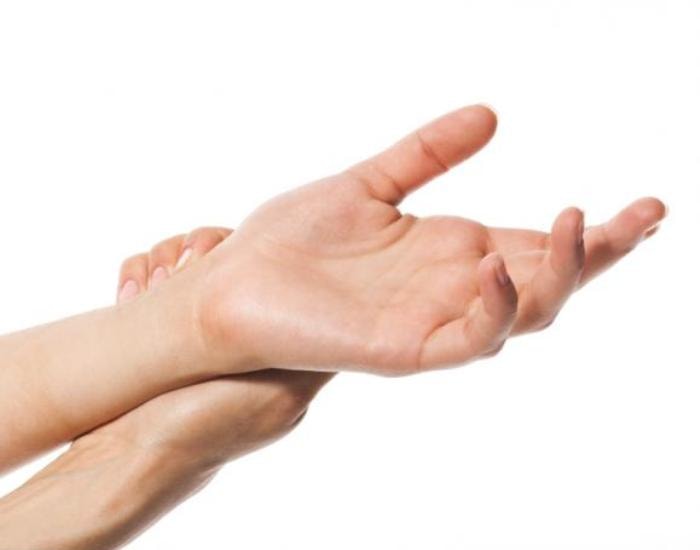 |
Frostbite in winter is a condition where a part of the body (usually the skin) is exposed to extremely low temperatures. It is a manifestation of cell necrosis, forming dark red, swollen patches of skin, commonly seen on the toes and fingers, and possibly on the nose or ears. The cause is the cold, which constricts the peripheral blood vessels under the skin, slowing blood flow and causing oxygen deprivation in the affected area. When suddenly warmed, these blood vessels can rupture, leading to inflammation, swelling, itching, and pain. The condition is not due to allergies or genetics, but rather to a poor tolerance for cold.
This condition is common in women, manual laborers such as farmers, fishermen, boatmen, and rowing athletes. Additionally, it is frequently seen in people with poor blood circulation, and those who often experience cold fingers and toes even in mild temperatures.
First aid for frostbite
When frostbite is detected, it's important to isolate the affected area from the cold and gradually warm the skin. You can warm areas like the ears, face, nose, fingers, and toes with your warm breath or by pressing the covered limbs against the exposed skin. Avoid further exposure of the frostbitten area to cold.
If possible, apply warm compresses or moisten the affected area, or soak the frostbitten skin in warm water for 10-15 minutes. You can also warm the frostbitten hands by placing them under the armpits. Afterwards, cover the victim with a blanket to keep them warm and have them rest indoors or in a sheltered area.
Absolutely do not immediately warm the frostbitten area with fire. Do not rub or massage the frostbitten body part to avoid damaging the tissues. If possible, avoid walking when your feet are frostbitten. Because at that time, the victim has lost sensation at the injured area, and applying fire could cause blisters, ruptured blood vessels, etc.
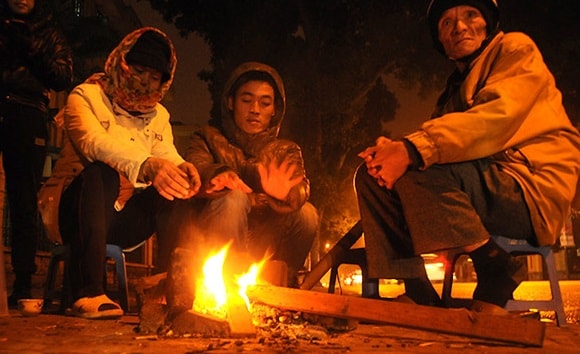 |
| Never use a fire to warm yourself when you are freezing cold. |
When should you see a doctor?
When frostbite occurs, causing the skin to become pale, stiff, and cold after first aid, it is necessary to go to the nearest medical facility for advice and treatment.
In cases of mild frostbite where improper treatment leads to skin damage, blistering, or when frostbite is accompanied by unusual symptoms such as swelling, redness, or tenderness; heat or redness spreading from the frostbitten area; pus discharge; unexplained fever, etc., it is necessary to seek timely medical treatment.
According to SKĐS
| RELATED NEWS |
|---|