

5 things to keep in mind when eating sticky rice for breakfast every day.
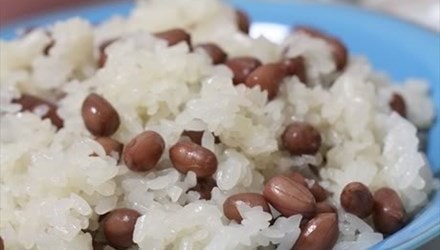
Sticky rice is a familiar and popular breakfast dish enjoyed by children, the elderly, and working people alike. However, to eat sticky rice for breakfast in a healthy way, you should keep these five things in mind.
 |
It should only be eaten twice a week.
Sticky rice is a high-energy food that keeps you feeling full for longer and improves mental alertness. It's also high in calories because it's made from glutinous rice, along with added beans, grated coconut, and sesame seeds. On the other hand, it's considered a "clean food" because it doesn't contain as many chemicals as noodles or vermicelli.
Although sticky rice is very good, you shouldn't eat too much of it. Eating it about twice a week is sufficient.
Sticky rice should not be eaten instead of regular rice.
For those who want to lose weight, this dish should not be included in their breakfast menu. Because sticky rice contains a lot of starch, just like regular rice, eating too much can lead to weight gain.
Do not give sticky rice for breakfast to people with stomach problems.
Sticky rice is not suitable for people with stomach problems, especially for breakfast. Although mung beans and sticky rice are healthy, they produce gas, causing heartburn and discomfort for those with stomach issues.
Especially when you eat sticky rice with added ingredients like onions, garlic, pepper, etc., it will make you experience more heartburn.
The reason is that glutinous rice, beans, or cassava have a high starch content, and the amount of enzymes that digest starch is insufficient, which can cause heartburn and acid reflux.
The burning sensation in the throat and heartburn experienced after eating glutinous rice are due to the starch structure of glutinous rice. Unlike regular rice, which has a fibrous starch structure, glutinous rice has a branched starch structure, making the starch firm and difficult to break down. Therefore, eating large quantities can lead to a feeling of fullness, indigestion, and even heartburn in some people. Consequently, it is not good for people with stomach problems or gastroesophageal reflux disease.
Do not eat if you have a hot constitution.
Sticky rice contains ingredients that are considered "heating," so eating too much of it can cause internal heat and lead to acne breakouts. Therefore, people with a naturally hot constitution should limit their consumption of this dish.
Pregnant women should not eat sticky rice for breakfast.
According to traditional medicine, glutinous rice has a sweet taste and warm nature, entering the spleen, stomach, and lung meridians. Glutinous rice in general, and sticky rice dishes in particular, are often used to treat debilitating conditions, diarrhea, gastritis, duodenal ulcers, and cerebral circulatory insufficiency in pregnant women.
However, pregnant women should only eat sticky rice in moderation. Although sticky rice can help pregnant women combat nausea and vomiting during pregnancy, it has a high starch content. Therefore, eating too much sticky rice increases the risk of gestational diabetes.
Furthermore, sticky rice is chewy and can cause indigestion, bloating, and a feeling of heat in the body, making pregnant women uncomfortable. Therefore, pregnant women should only consider it a snack and not a daily meal. Sticky rice should not be eaten for breakfast.
According to dantri.com.vn
| RELATED NEWS |
|---|