
More than 400,000 people die each year due to contaminated food.
On average, around 420,000 people die each year worldwide due to illnesses related to unsafe food, with children under 5 years old being the most affected. This is the result of the latest global food safety report recently published by the World Health Organization (WHO).
On average, around 420,000 people die each year worldwide due to illnesses related to unsafe food, with children under 5 years old being the most affected. This is the result of the latest global food safety report recently published by the World Health Organization (WHO).
Peter Sousa Hoejskov, WHO expert in charge of the Western Pacific region, said the study, conducted since 2008, aims to collect accurate global and regional data on foodborne illnesses, such as the number of people affected, the types of illnesses they suffer from, and their causes, in order to provide comprehensive information to policymakers, health officials, and the public.
In the Western Pacific region alone, approximately 52,000 people die from foodborne illnesses, and around 125,000 are infected due to this cause. However, this number may be lower than the actual figure, as many people who become ill from foodborne problems do not seek medical attention.
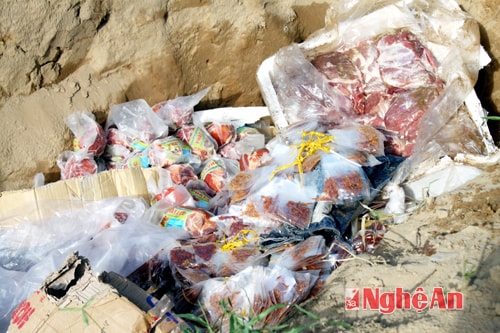 |
| Destroying contaminated food of unknown origin. |
Children under 5 years old are the group most severely affected by foodborne illnesses. Meanwhile, the region with the highest number of deaths (175,000) from this cause is South Asia, followed by Africa with 130,000 deaths.
Diarrhea is the most common illness among people in the Western Pacific region, while across West Asia, most deaths are due to aflatoxin poisoning. Additionally, there are cases of hepatitis A infection resulting from improper processing and storage of dairy products in Australia, New Zealand, and Japan.
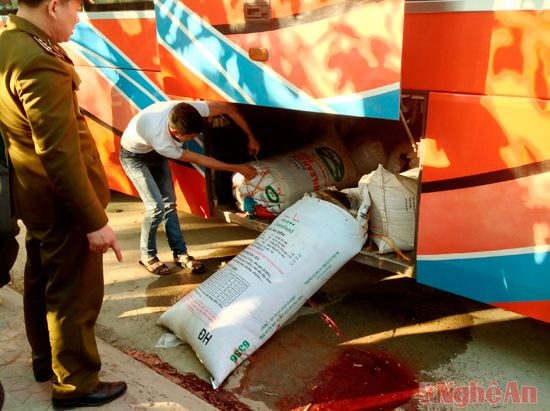 |
| The Nghe An Market Management Department seized contaminated food. |
In this report, the WHO once again emphasized food safety guidelines such as thorough handwashing, cooking food thoroughly, and using clean water in food preparation to prevent disease. Furthermore, the organization presented data showing the significant economic burden that foodborne illnesses place on patients and countries in general. Patients not only incur significant financial costs for care and treatment, but they also become fatigued, unable to continue working, forced into early retirement, or become incapacitated, impacting their family income.
Through this report, the WHO hopes that people and countries around the world will not underestimate the issue of food safety, and expresses its desire for governments to take certain measures to improve food safety and raise public awareness of this issue.
According to VNA
| RELATED NEWS |
|---|