(Baonghean.vn) - Approximately 650 million people, or 1/10 of the world's population, do not have access to safe water, facing the risk of infectious diseases and premature death.
Dirty water and poor sanitation can cause serious illnesses in young children, such as diarrhea, leading to the deaths of 900 children under the age of five worldwide every day, or one child every two minutes, according to estimates by the United Nations.
As for infants, the World Health Organization (WHO) states that infectious diseases caused by a lack of clean water and unsanitary environments result in one death every minute worldwide.
The United Nations affirms that access to safe drinking water and adequate sanitation services is essential for human health. Meanwhile, the WHO estimates that every dollar invested in improving water supply and sanitation services yields a benefit of $4-12.
Let's look at and reflect on the water usage situation in many parts of the world:
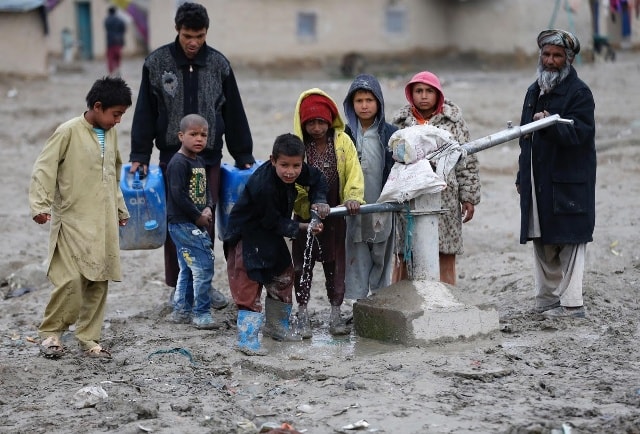 |
| Children drink water from a public pump on the outskirts of Kabul, Afghanistan. |
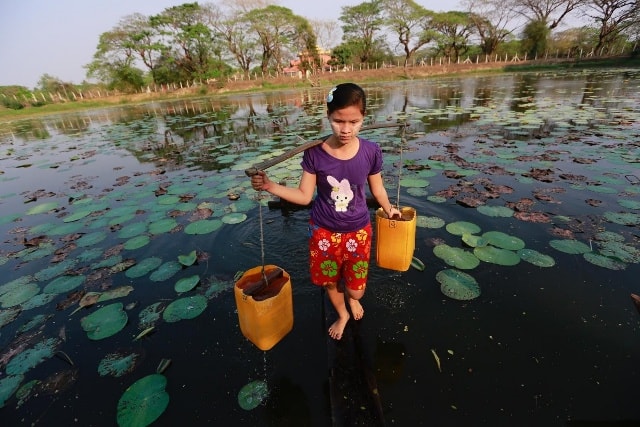 |
| A young girl carries water from the Dala River, on the outskirts of Yangon, Myanmar, back to her family. |
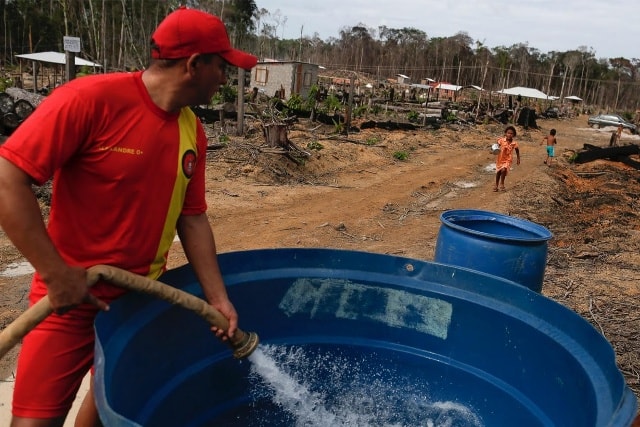 |
| Community workers pump water from a water tanker truck to supply an area near a dried-up lake in the state of Amazonas, Brazil. |
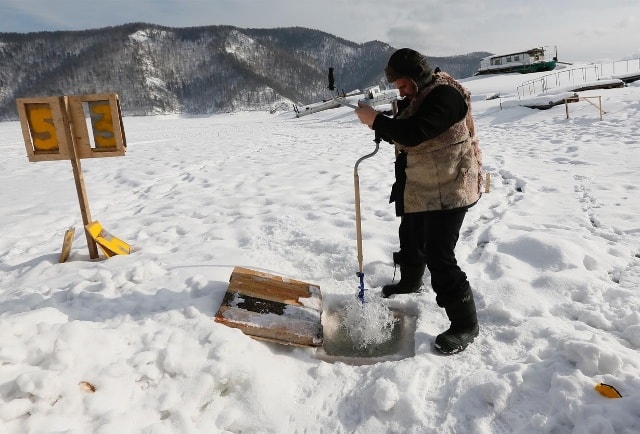 |
| People in Krasnoyarsk, Russia, have to drill through the ice on the Yenisei River to obtain clean water for drinking and cooking. |
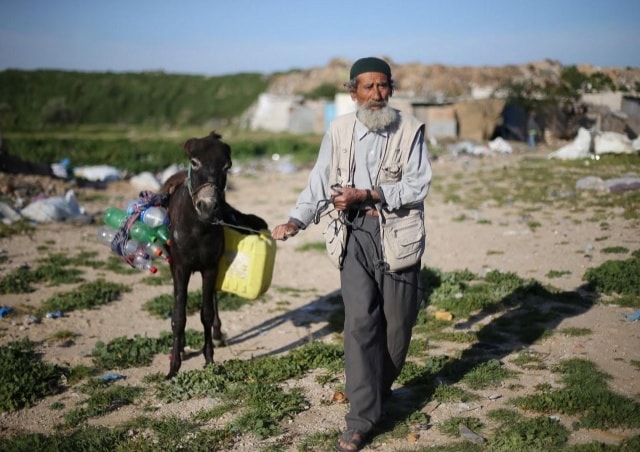 |
| A Palestinian man, leading a donkey laden with buckets and empty cans on its back, begins his journey to fetch water in Khan Younis, in the southern Gaza Strip. |
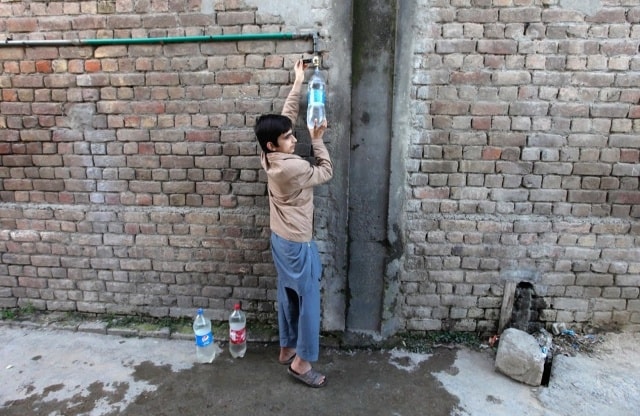 |
| The boy collects water from a public tap into plastic bottles; photo taken on the outskirts of Islamabad, Pakistan. |
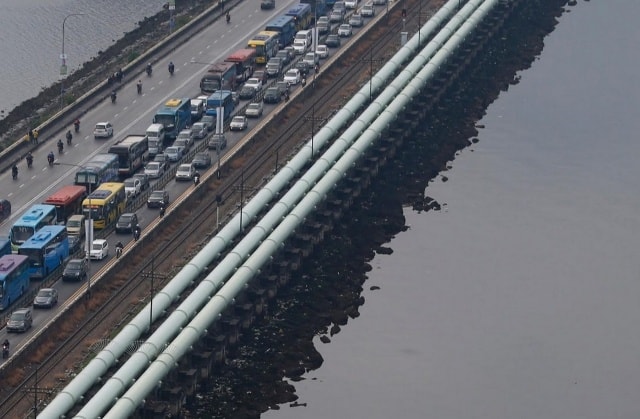 |
| The water pipeline running along the highway connecting Singapore and the Malaysian city of Johor Bahru transports nearly 950 million cubic meters of water per day, meeting 60% of Singapore's clean water needs. |
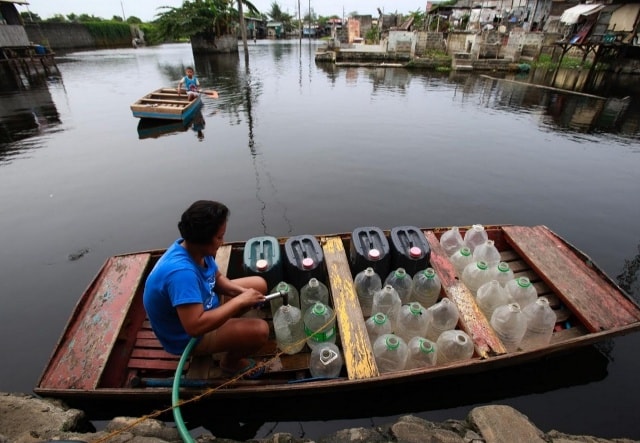 |
| A resident living in a flooded area fills plastic containers stacked on a boat with drinking water to take back home, in Malabon City, Philippines. |
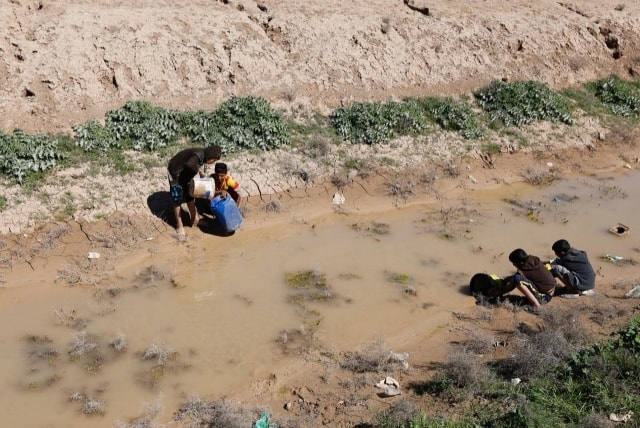 |
| The boys fetch water from a swamp in northeastern Baghdad, Iraq. |
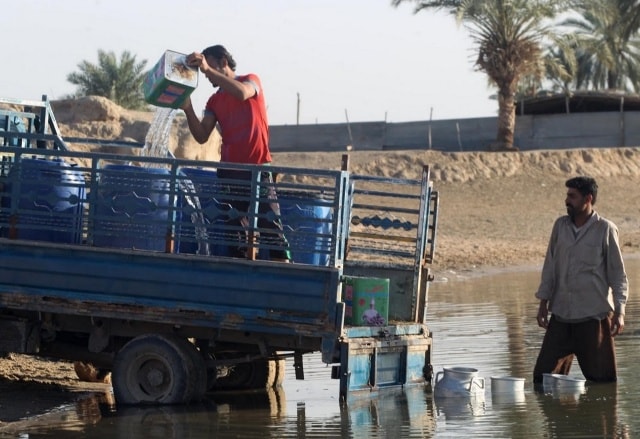 |
| Meanwhile, the people of Najab in Iraq have to find water from the Euphrates River, transporting it back by truck. |
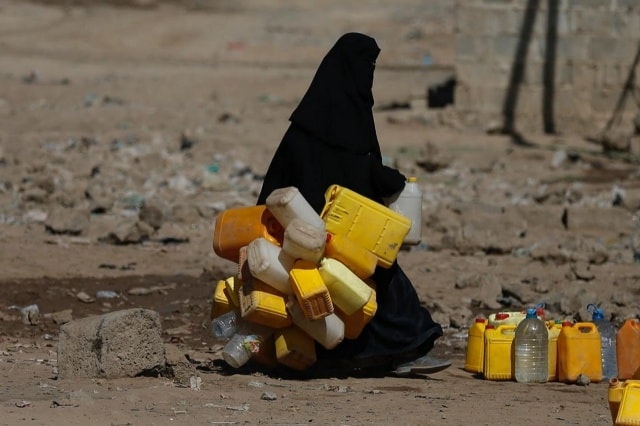 |
| A Yemeni woman in traditional attire carries a jumble of plastic bottles to ask for water from a charity in the capital, Sanaa. |
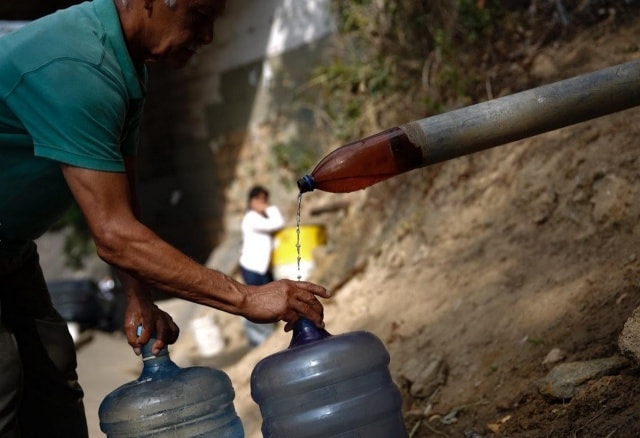 |
| The man collects the meager amount of water flowing from a stream near the highway along the Avila mountains in Caracas, Venezuela. |
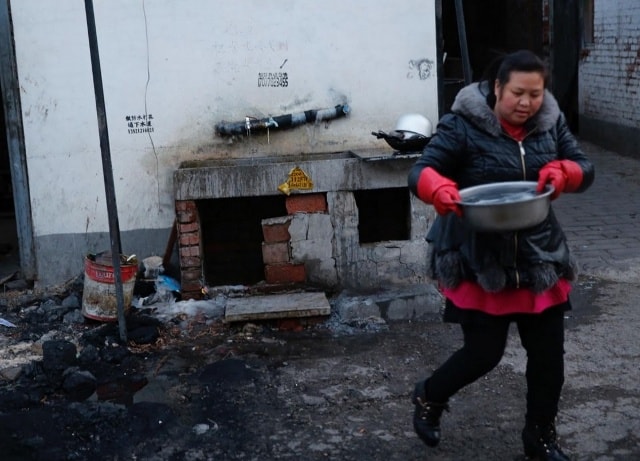 |
| A woman fetches drinking and cooking water from a public tap in an immigrant housing area in Beijing, China. |
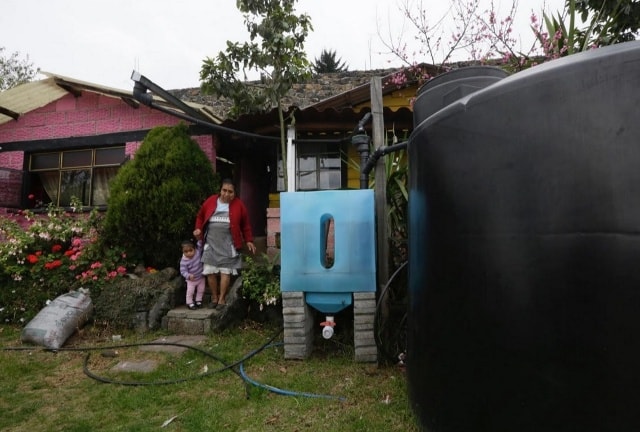 |
| Many families in San Miguel Xicalco, Mexico, install outdoor rainwater collection tanks (black) to save water used for laundry and cleaning. |
Thu Giang
(According to Reuters)
