(Baonghean.vn) - Jimmy Nelson is a British photographer. He is not interested in photographing celebrities on the red carpet, supermodels in high heels, or men riding motorcycles.
Instead, he chose to focus on indigenous people who wear animal skins and paint their faces to intimidate enemies. These are members of endangered tribes around the world, from Chukotka to Papua New Guinea. Their culture and traditions are an important heritage that needs to be preserved. And their most primitive form of existence is sure to be more impressive than anything you've ever seen in movies.
We would like to share with you a unique photo series titled "Before They Disappear" by photographer Jimmy Nelson, featuring ancient and little-known tribes from the most remote corners of our planet.
Goroka tribe (Papua New Guinea)
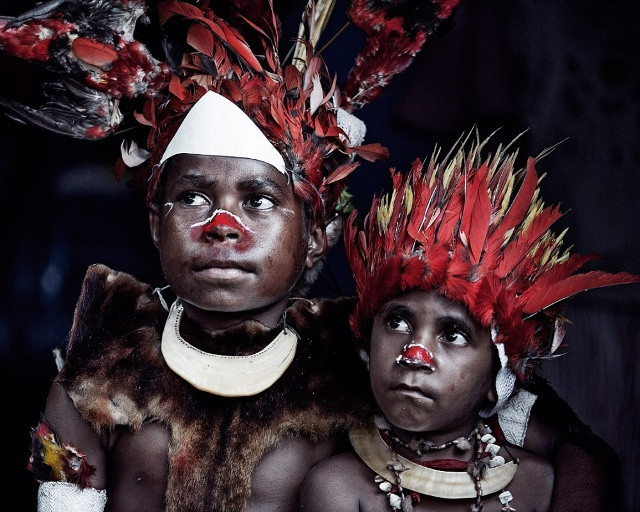 |
| Goroka is the capital of the Eastern Highlands province. Its inhabitants still believe in deities and have profound respect for the natural wonders. |
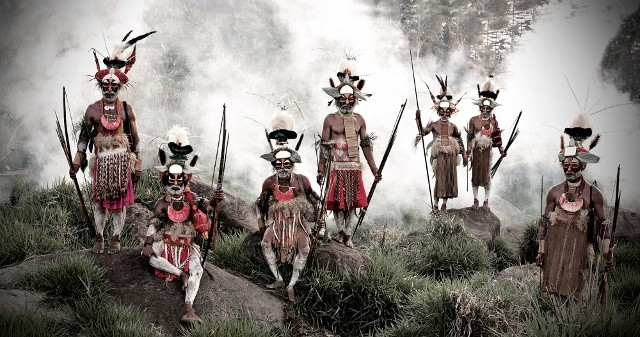 |
| Their primary weapons included not only bows and arrows, but also face paint and flamboyant decorations around their bodies. It seems these indigenous warriors knew how to impress and intimidate their enemies. |
The Huli tribe (Papua New Guinea)
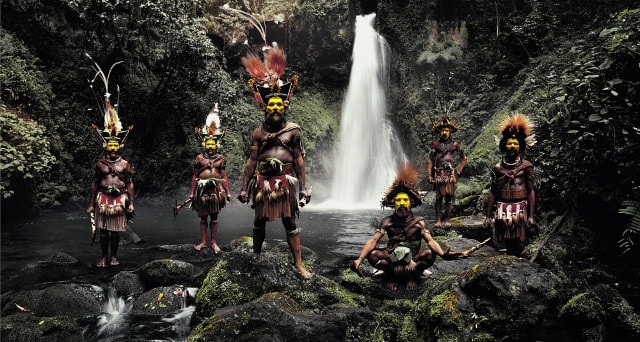 |
| The Huli tribes thrive on hunting, and that's what the men do. The women here excel at farming and gathering. Visitors are always impressed by their beautiful gardens. |
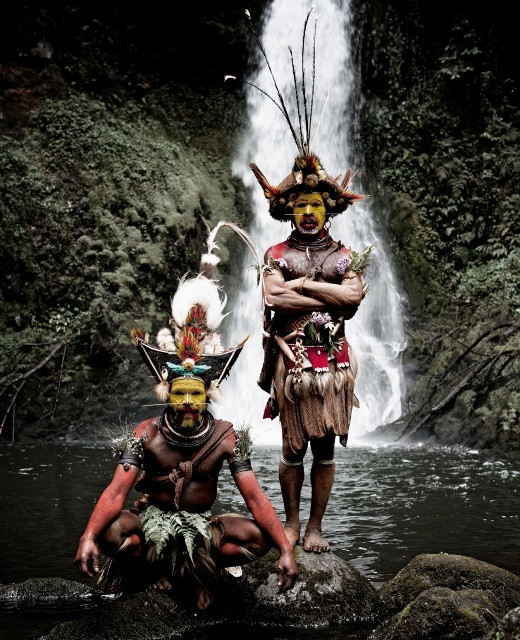 |
| The people of this tribe decorated their faces with three colors—yellow, red, and white—to intimidate enemies when war was a frequent occurrence. |
Kalam tribe (Papua New Guinea)
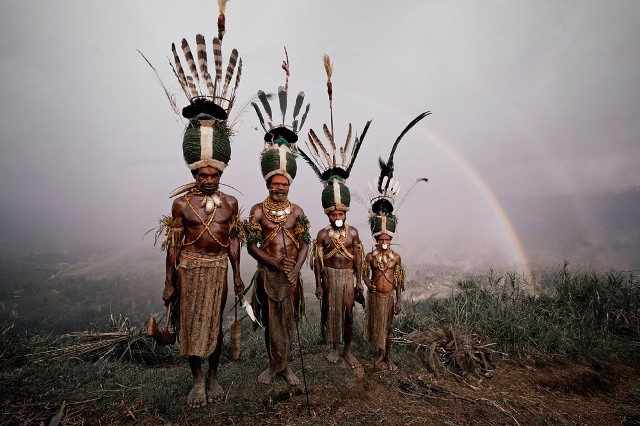 |
| The local residents live in their traditional villages. Because they have not been exposed to modern civilization, while the men hunt, the women gather and cultivate crops. |
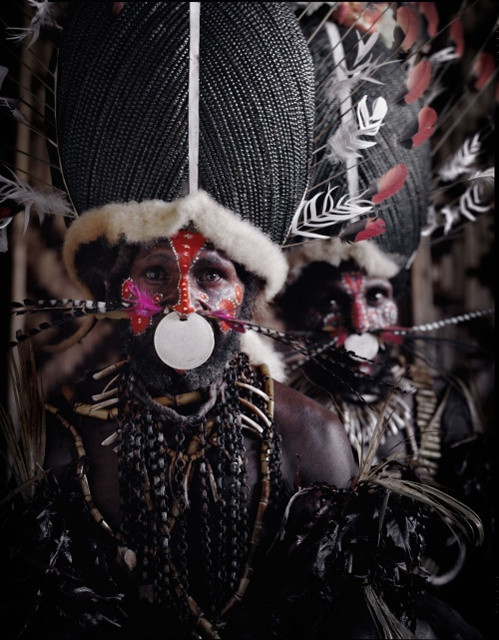 |
| The men here are very concerned about their appearance. They cover their bodies with jewelry and necklaces made from bird beaks, wildflowers, and feathers. |
The Asaro tribe (Papua New Guinea)
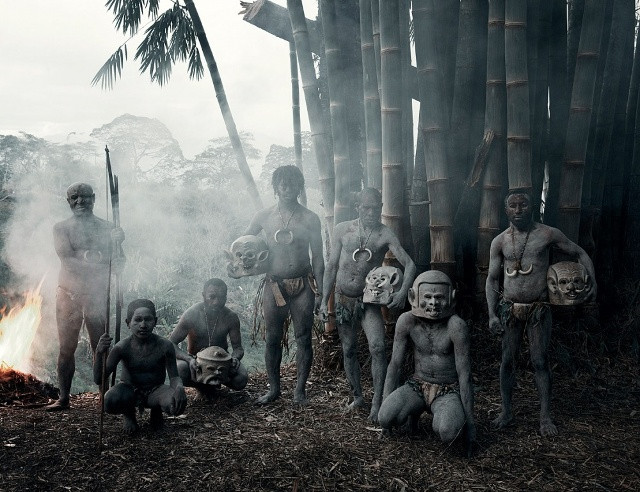 |
| The Asaro (formerly known as Asaro Muden, meaning "mud-covered people from the Asaro River") are a mysterious and enigmatic tribe. They are known primarily for their unique practice of protecting themselves with white clay and wearing special clay masks. |
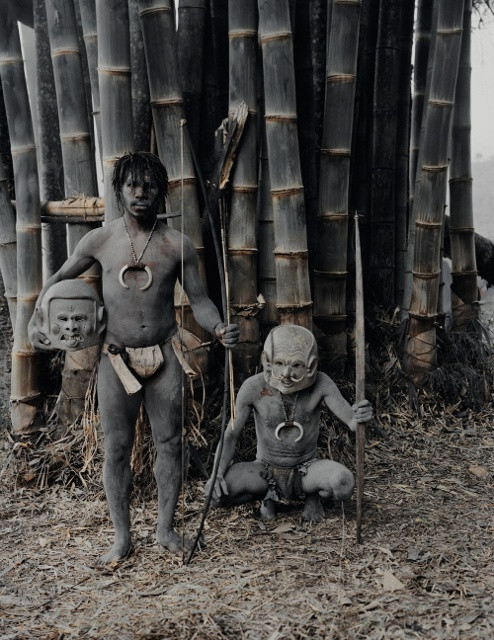 |
| Masks symbolize the Papuan people's belief in spirits. The masks feature long or short ears, teeth, horns, mouths, and other features arranged in a way that doesn't resemble a normal face. |
Maori tribe (New Zealand)
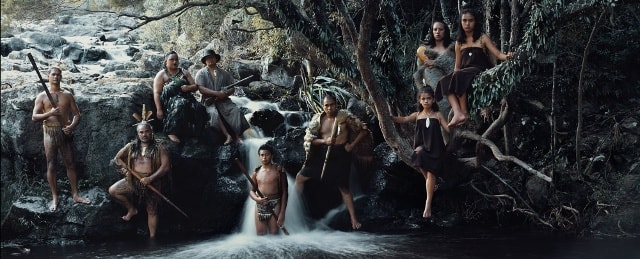 |
| The main highlights of traditional Maori culture are art, dance, legends, community, and tattoos. For example, people of high social status always had tattoos on their bodies, and tribal members without tattoos were considered useless. |
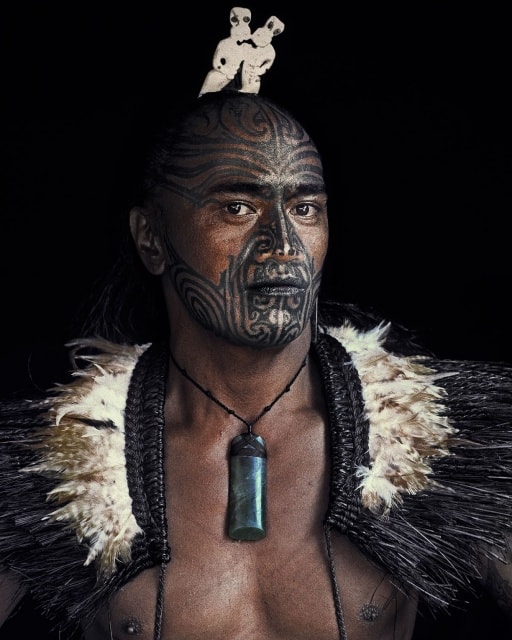 |
| The Haka military dance is one of Maori's most famous traditions. It consists of bizarre dances accompanied by singing, clapping, stomping, and thigh-slapping. |
Chukchi tribe (Russia)
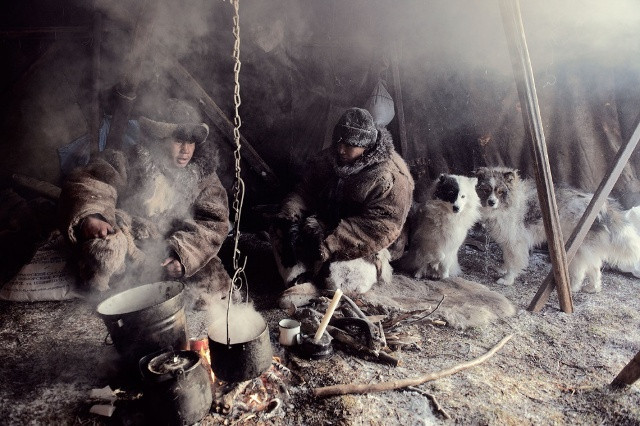 |
| The Chukchi people live by reindeer herding and hunting, while the women are responsible for household chores, sewing, and embroidery. |
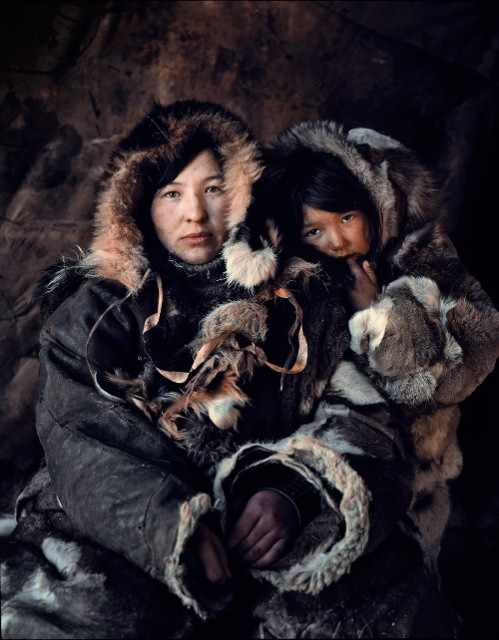 |
| However, the locals also know how to make time for art. They enjoy carving on the bones and tusks of walruses. |
The Himba tribe (Namibia)
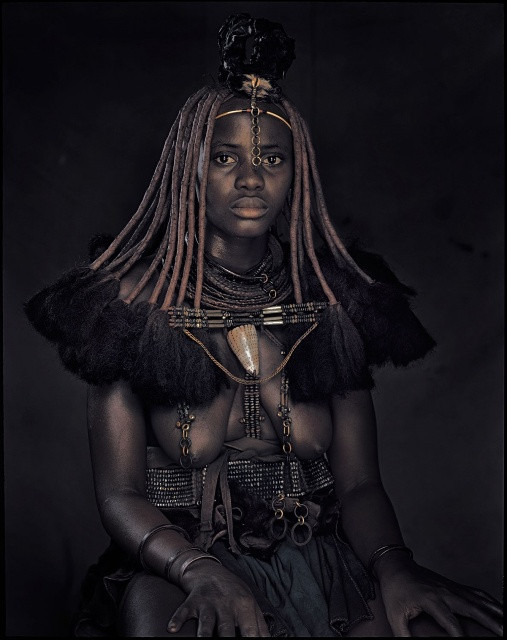 |
| A Himba's appearance speaks volumes about their position within the tribe and their stage of life. They wear very little clothing, but they pay close attention to details such as hairstyles, jewelry, and makeup. |
Mustang tribe (Nepal)
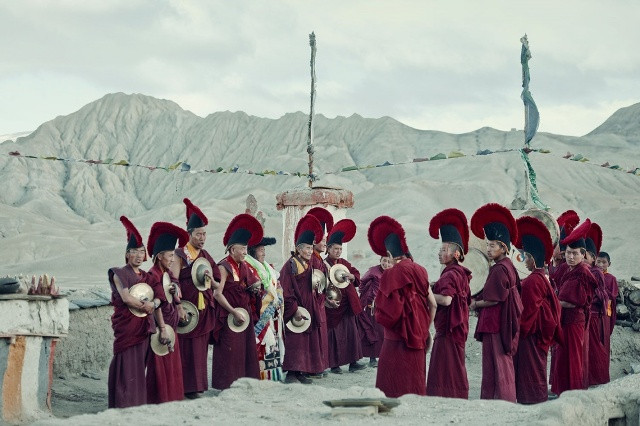 |
| The ancient kingdom of Lo was formerly linked to Tibet in religious, cultural, and historical terms, although it was part of Nepal politically. |
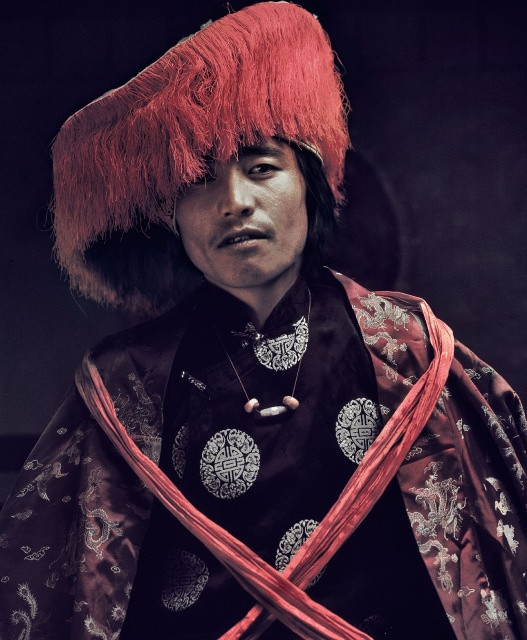 |
| Most locals still believe that the world is flat and that illnesses are caused by evil spirits. |
Rabari tribe (India)
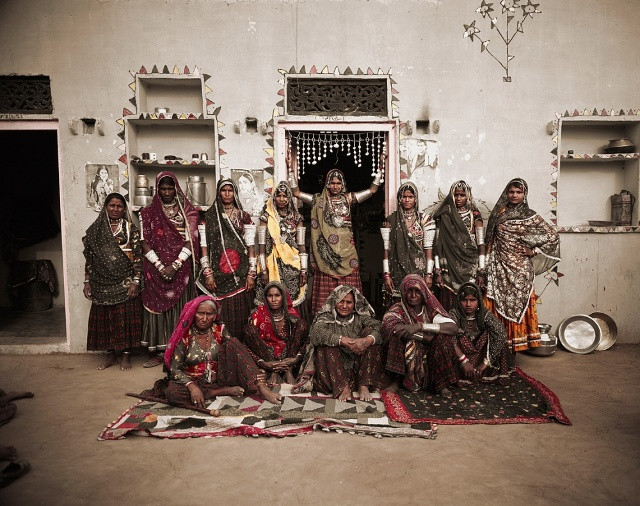 |
| Members of this tribe are characterized by their Persian-like facial features; they migrated from the Iranian highlands 1,000 years ago. Rabari people can now be found in Gujarat and Rajasthan. |
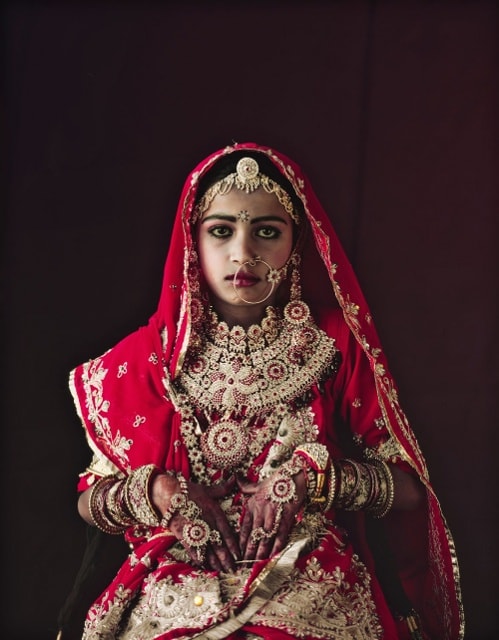 |
| Almost the entire body of the Rabari people is covered with tattoos, for purposes of beautification, belief, or therapy. |
Jimmy Nelson traveled the world for three years. He spent time living with tribes and cultures on the brink of extinction, sharing bread with them and trying to understand them better, while they also sought to understand the photographer. Viewers can perceive the genuine trust established between the photographer and the tribes.
Central South
(According to Brightside)

