

Signs that you might be having a stroke without knowing it.
Stroke is an acute, sudden, and highly dangerous disease. Therefore, everyone needs to know how to detect and treat this disease promptly in order to provide emergency care to patients.
Stroke, also known as cerebrovascular accident, is a medical condition caused by damage to the blood vessels in the brain. It occurs when the blood supply to a part of the brain is suddenly interrupted.
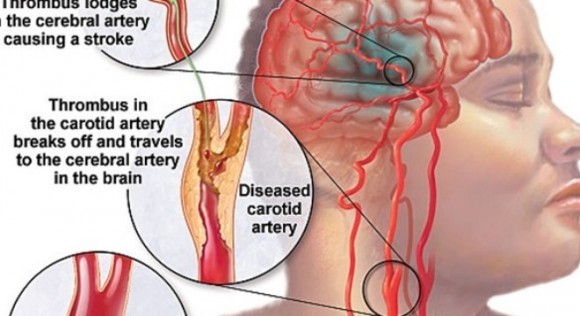 |
Stroke can occur due to two reasons: cerebral infarction (blockage of blood vessels) which interrupts blood flow to the brain, or cerebral hemorrhage (rupture of blood vessels) which causes blood to leak out of the blood vessels and into the brain tissue, destroying and compressing it.
Stroke is an acute, sudden, and highly dangerous disease. It can cause damage to the affected part of the brain, rendering it unable to function.
People who suffer a stroke may suddenly collapse, fall into a coma, and face permanent disability or even death.
Because of the dangerous nature of this disease, preventing the risk of stroke is very important.
At the same time, early detection of the signs of this disease is extremely important to minimize dangerous complications and shorten the treatment time.
1. Signs of stroke
Because this disease has no lasting warning symptoms, no one can know in advance if they will have a stroke.
Therefore, you should be familiar with the following signs so that you can detect stroke early in yourself or those around you and receive timely emergency treatment.
– Visual symptoms: Decreased vision, blurred vision in both eyes or one eye; however, this symptom is not obvious and therefore difficult to notice. Only the patient, upon noticing this symptom, should seek immediate medical attention.
– Facial signs: The face appears asymmetrical, the mouth is crooked, the philtrum is slightly lệch to one side compared to normal, and the nasolabial fold on the weaker side droops. The crooked mouth and facial asymmetry are especially noticeable when the patient speaks or smiles.
– Symptoms in the hands: People who have had a stroke often experience numbness, weakness, and difficulty moving or manipulating their hands. In addition, patients may find it difficult to walk and lift their legs.
– Voice-related signs: People who have had a stroke may experience unusual slurred speech, numbness or stiffness in the lips and tongue, difficulty opening their mouths, and needing to exert effort to speak.
– Cognitive symptoms: Patients exhibit memory impairment, lack of awareness, blurred vision, and tinnitus (ringing in the ears) leading to hearing loss.
– Neurological symptoms: The patient experiences severe headaches. This is a serious and fairly common symptom of stroke, especially in patients with a history of migraines.
2. Ways to prevent stroke
– Stabilizing blood pressure in people with high blood pressure: High blood pressure is a major cause of stroke, so patients need treatment to stabilize their blood pressure and avoid the risk of stroke.
– Stabilize blood sugar: Diabetes is a major factor contributing to atherosclerotic plaque buildup, leading to reduced blood flow to the brain. Stabilizing blood sugar is also a way to prevent stroke.
– Control blood cholesterol levels.
- Quit smoking: Smoking is the leading cause of cerebrovascular disease. Stopping smoking significantly reduces the risk of stroke.
– Establish a healthy diet with plenty of green vegetables, low in fat, cholesterol, and salt.
– Exercise regularly to maintain physical fitness.
– Maintain a stable body weight.
– Get regular health checkups.
According to Phununews