

6 simple tips to keep your car in good condition for summer.
Summer is here, meaning your car will have to face harsher weather conditions. Intense sunlight, scorching roads, sudden downpours, and flooding… These are all problems that can damage your vehicle. Don't ignore the following advice:
1. Park in the shade.
Unless absolutely necessary, try to park in shady spots to avoid direct sunlight that can damage your car. Intense sunlight directly hitting your car will not only heat up the interior, making leather less durable, but also damage the paintwork and increase the temperature in your engine compartment. Parking in the shade seems like the simplest way to keep your car healthy in the summer.
 |
2. Air conditioner maintenance
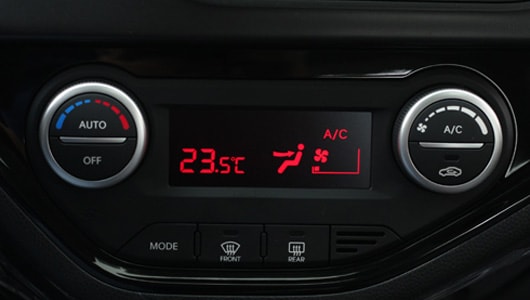
In hot weather, it's difficult to operate a vehicle without running the air conditioner. This is the component that works the hardest, even becoming overloaded during the summer months. Therefore, checking and maintaining the air conditioner is extremely important.
First, you need to check the refrigerant level to see if it's sufficient and examine the compressor's lubricating oil. If you need to add or change the oil, you should call a technician and be sure to use the correct type of refrigerant to avoid unnecessary problems.
 |
Next, you should also perform a general inspection of components such as pipes to address any leaks, and the drive belt system to replace any belts that are loose or have slipped out.
The blower fan, compressor, or air filter should also be checked and cleaned or repaired if necessary. Additionally, you should check if the condenser and evaporator coils in your car are dusty after a period of use, as cleaning them will help the air conditioning system cool more effectively.
3. Check the liquid level.
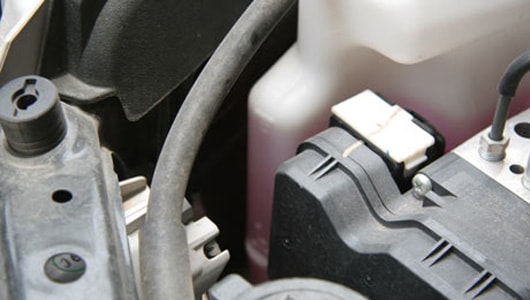
When driving in the summer, regularly check the windshield washer fluid, transmission fluid, fuel level, brake fluid, engine coolant, etc. In addition, the summer heat can dry out the fuel's viscosity, so the engine won't have enough lubrication, which can cause damage or strange noises in some cases. To remedy this, regularly check and add high-viscosity oil to the vehicle.
 |
4. Use the correct type of tires.
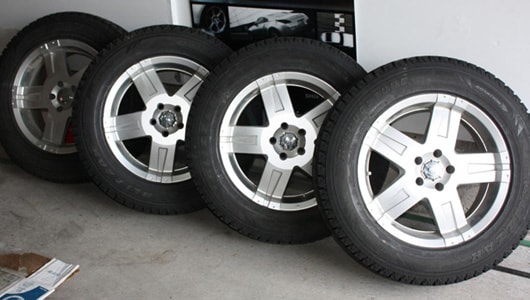
Tires come in many types, each designed for different weather and road conditions. Therefore, when summer arrives, replace your winter tires with summer tires to ensure optimal performance for your vehicle.
 |
When using summer tires, you should also regularly check your tire pressure. Tire pressure is directly proportional to temperature, and the risk of a tire blowout or reduced tire lifespan is higher when you continuously operate underinflated tires on hot surfaces.
5. Heat protection for the car.
If you've just bought a car, don't skimp on a dedicated car cover. This type of cover will not only keep your car clean but also reduce the impact of heat from direct sunlight when parked.
 |
In addition, you should also equip your car with heat-resistant window film to keep it cool. You should choose a high-quality film from a reputable source and have it installed by a qualified professional. Furthermore, adding sunshades to the rear window is also a good option during the summer months.
6. Pay attention to the windshield wipers.
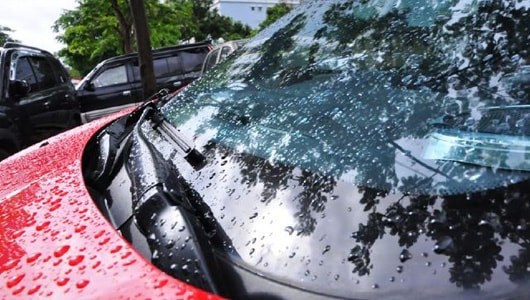
Summer weather is very hot, but it also means that sudden downpours can occur at any time, and the windshield wipers are the parts that have to work at full capacity. Therefore, replacing the wipers when they show signs of not cleaning properly or when there are many streaks of water remaining on the windshield after wiping is necessary. Typically, the lifespan of wiper blades is 6 months to 1 year. Additionally, you should also check the windshield washer fluid reservoir if you use the wipers frequently.
 |
According to VnEconomy
| RELATED NEWS |
|---|