

Over-reliance on electronic blood pressure monitors: Beware of stroke.
The use of blood pressure monitors to control blood pressure at home is now quite common, both in urban and rural areas.
Most people use electronic blood pressure monitors when checking their blood pressure at home. The use of blood pressure monitors for home blood pressure control is now quite common, from urban to rural areas. Most people use electronic blood pressure monitors; very few people use mercury blood pressure monitors.
The main reason is that electronic blood pressure monitors are easy to use, don't require complicated techniques, and don't need a second person to assist. However, many people measure incorrectly but trust the results too much, leading to unpredictable complications.
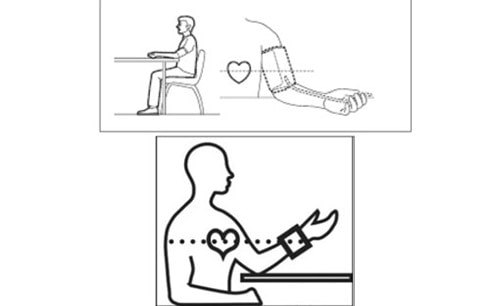 |
| When measuring blood pressure in the upper arm or wrist, ensure the cuff is level with the heart. |
The use of electronic blood pressure monitors (home medical devices) for blood pressure control at home is now quite common, both in urban and rural areas. This is a method recommended by experts, especially for people with hypertension. However, many people measure incorrectly but place too much trust in the results, leading to unpredictable complications.
Typical case
Ms. Le Thi T., 61 years old, from Ninh Binh, recently experienced frequent tinnitus, facial flushing, and occasional nausea. She went to the doctor, who diagnosed her with hypertension and prescribed medication, scheduling a follow-up appointment in a month. Upon returning home, she immediately purchased an electronic blood pressure monitor from a medical equipment store, as recommended by the salesperson, due to its ease of use and accuracy. Initially, she took her medication regularly and measured her blood pressure once a day in the morning. Both systolic and diastolic readings were normal. She felt reassured. The first month went smoothly. Ms. T. believed she had successfully managed her condition. In the second month, she continued taking her blood pressure medication. While still measuring her blood pressure daily, she stopped taking the medication on her own when she noticed stable readings and feared side effects. Just a few days later, she had to be rushed to the emergency room due to a stroke caused by uncontrolled, excessively high blood pressure. Fortunately, after intensive treatment, the long-term effects of the illness were minimal. According to the doctor's explanation, the cause of Mrs. T.'s stroke was that she measured her blood pressure incorrectly; the machine gave inaccurate results, but she trusted it too much and stopped taking her medication, leading to the stroke.
How can we fix this?
Timing and frequency of measurements: Professor Nguyen Van Thong advises patients to measure their blood pressure at home in the morning right after waking up. Avoid measuring after climbing stairs, exercising, walking, immediately after eating a large meal, or when too hungry or too tired, as blood pressure at those times may be higher or lower than the true reading. It is necessary to measure three times consecutively, 5 minutes apart, and then take the average reading over at least three consecutive days to definitively conclude whether blood pressure is high or not. Measure on both arms; the arm with the higher reading should be used as the official result. In addition, patients should record the results of each measurement in a notebook for monitoring and to avoid inaccurate readings.
Measurement location:When using an electronic blood pressure monitor, patients can measure on the upper arm or wrist, but upper arm monitors are generally more accurate because wrist monitors are difficult to keep still during measurement. For upper arm monitors, the arm can be placed flat on a table with the sensor located 3cm above the elbow crease. For wrist monitors, the arm must be bent at an angle of approximately 45 degrees. It is important to note that in both methods, the sensor in the arm cuff must be positioned horizontally with the heart.
Measurement posture: When measuring blood pressure, the patient should be relaxed, sitting comfortably in a chair with a backrest, with their arms placed on a table at heart level, feet flat on the ground, and legs straight (not crossed). Before measuring, it is advisable to urinate because a full bladder can increase systolic blood pressure by 10-15 mmHg. During the measurement, avoid talking or eating as this can easily cause blood pressure to rise.
Measuring device: Ensure the blood pressure monitor has sufficient power; it's best to replace the batteries before measuring. Avoid exposing the monitor to excessively hot temperatures, as this can cause inaccuracies of 1-2 units. The room temperature during measurement should also be normal; avoid excessively cold temperatures that constrict blood vessels, causing a temporary increase in blood pressure. Ensure the cuff is the correct length; a cuff that is too small can increase blood pressure (potentially by tens of mmHg), while a cuff that is too large will give a lower reading. Once a year, patients should bring their blood pressure monitor to a doctor or nurse for inspection to ensure it is still functioning properly.
Currently, there are two common types of home blood pressure monitors: electronic blood pressure monitors and manual blood pressure monitors (manual monitors are more difficult to use as they require the user to know how to count heart rate, so they are less commonly used). Each type of monitor has its own characteristics, but patients need to strictly adhere to the general requirements regarding posture, time, and number of measurements. Furthermore, patients should not rely too heavily on self-measured blood pressure readings and neglect follow-up appointments or discontinue treatment, as this can easily lead to unnecessary complications.
The most common mistake
Professor Nguyen Van Thong, Chairman of the Vietnam Stroke Association, stated that when measuring blood pressure at home, the reasons for inaccurate results are often due to patients only measuring once, placing the sensor point in the cuff incorrectly, talking while measuring, or forgetting to record the measured readings for monitoring. In addition, inaccurate blood pressure readings can also be caused by the device, such as a low battery or improper storage temperature.
According to Health & Life
| RELATED NEWS |
|---|