
People who need to say no to garlic
Garlic contains many healthy nutrients that are beneficial and useful for maintaining good health. However, garlic is not recommended for some people.
Garlic contains many healthy nutrients that are beneficial and useful for maintaining good health. However, garlic is not recommended for some people.
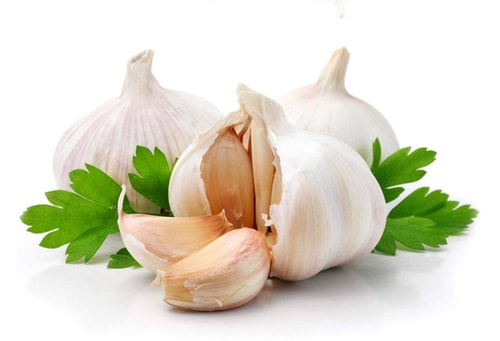
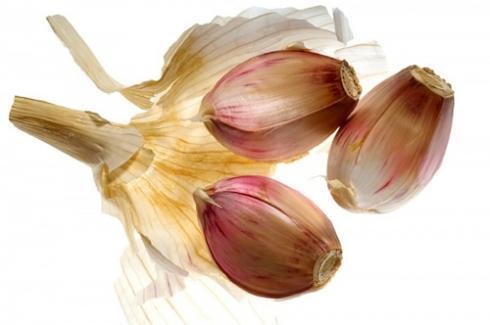
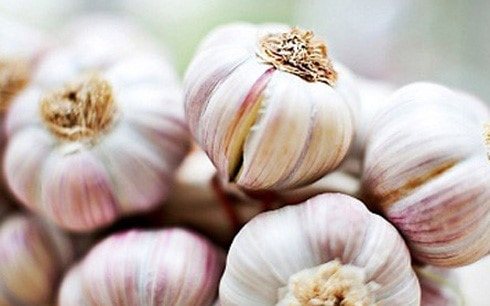
Garlic comes in two varieties: white and purple. Purple garlic is spicier and has better antibacterial properties than white garlic. Its medicinal properties stem from the active compound allicin. If you enjoy the spicy, aromatic taste of garlic, it's best to eat it raw to maximize its benefits, as cooking significantly reduces the amount of allicin in garlic, thus diminishing its effectiveness.
 |
Although garlic is valued for its many uses in disease prevention, especially its effects in preventing cancer, cardiovascular diseases, lowering blood sugar, boosting the immune system, acting as an antibiotic, and protecting against radiation poisoning, it is not recommended for certain individuals. People with the following conditions should limit their garlic intake to avoid worsening their symptoms.
 |
Pregnant and breastfeeding women
If breastfeeding women eat garlic, the garlic smell will linger in their breast milk for a long time, sometimes up to 2 hours after consumption. Some sensitive infants may find it unpleasant, frown, or even refuse to feed if they detect the unpleasant taste in the milk.
 |
For pregnant women, consuming garlic in normal amounts is generally safe. However, it is unsafe to eat garlic at the same time as taking certain medications during pregnancy.
People with weak immune systems
According to folklore, eating too much garlic depletes a person's vital energy and blood. Furthermore, garlic is pungent, hot, toxic, generates phlegm and heat, and disperses vital energy and depletes blood. Therefore, people with weak constitutions and deficient vital energy and blood should be careful to limit their garlic consumption.
People with eye diseases
The eyes are considered the "jewel of the body." When the liver has sufficient blood supply, the eyes are well nourished. However, consuming large amounts of garlic can harm the liver and damage the blood. Furthermore, garlic is inherently pungent and stimulating, so it should be avoided during eye treatment, especially for those with reduced vision, dizziness, cataracts, etc., as prolonged and continuous consumption can damage the eyes.
 |
People with liver or kidney disease
While garlic is known for its antibacterial and antiviral properties that help eliminate bacteria, it is not a food used to treat hepatitis viruses. Furthermore, garlic can irritate the stomach and intestines, potentially reducing stomach acid levels and affecting digestion. This can worsen hepatitis symptoms such as nausea.
 |
Additionally, people with kidney disease who are taking medication should avoid garlic because it can reduce the effectiveness or cause side effects of the medication.
People with diarrhea
Garlic has strong stimulating properties; normally, eating a small amount can promote digestion. However, if you are suffering from enteritis or diarrhea, you should avoid this food.
Things to note when eating garlic
- Store in a cool, dry place to prevent sprouting, as sprouted garlic becomes spongy, loses its essential oils, and is no longer fragrant and flavorful.
- Do not eat sprouted garlic as it can easily cause poisoning.
- If you experience symptoms such as heartburn or bloating after eating garlic, you should stop immediately as you may be allergic to it.
- Do not apply garlic to the skin for more than 10 minutes, especially for young children.
- Do not swallow whole cloves of garlic and do not eat them on an empty stomach.
According to Zing.vn
| RELATED NEWS |
|---|