

Why does Japan have so few trash cans, yet everything is spotlessly clean?
People don't mind carrying their trash bags dozens of kilometers home or disposing of them in the nearest bin.
Many first-time visitors to Japan often wonder why there are so few trash cans. The main reason stems from a terrorist attack over 20 years ago. In 1995, the Aum Shinrikyo cult released a nerve agent into the Tokyo subway system, killing 13 people and affecting thousands more. The toxic gas was contained in sealed plastic bags wrapped in newspaper.
Following this terrorist attack, the Japanese government implemented several measures, including removing public trash cans – which could have contained weapons used by the perpetrators. Despite the absence of trash cans, most streets in Japan remain remarkably clean. You don't see graffiti on walls, and no one litters or spits out chewing gum, even without warning signs. Rocketnews outlines the main reasons for this:
1. Japanese people are responsible with their trash.
 |
After a barbecue on Shiraishi Island, this man took all the trash home. |
In most countries, to prevent littering, authorities place many trash cans. When the number of trash cans is reduced for security reasons, the Japanese become aware of the need to solve the problem themselves. They are willing to take their trash home and deal with the mess they create.
2. Households maintain the area around their homes.
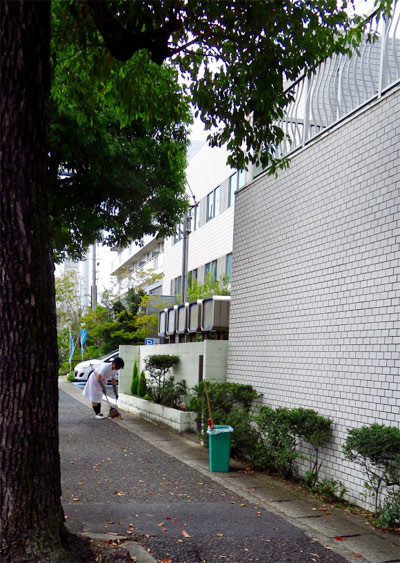 |
If everyone dedicates a short amount of time, it will help keep the whole neighborhood clean. |
In the morning, you'll see many people sweeping up trash around the buildings. These aren't sanitation workers, but homeowners, office workers, nurses, students, and so on.
3. The waste sorting regulations are very detailed.
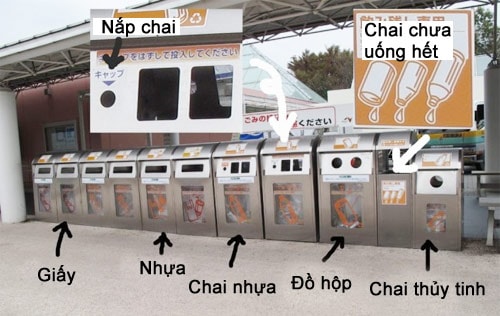 |
Many types of waste can be recycled for other purposes. |
Are you not separating newspapers and magazines, or keeping bottles and bottle caps separate? You're not following Japan's waste sorting regulations. Thanks to these detailed rules, the amount of waste that needs to be disposed of is reduced, and many recyclable materials are utilized.
4. Many people volunteer to clean up the environment.
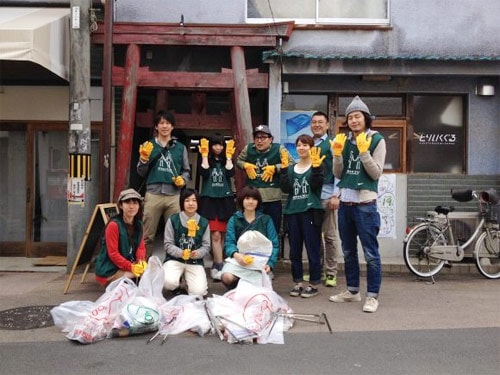 |
Many neighborhoods look old and run-down, but there's no trash at all. |
In Japan, there is an organization called Greenbird that operates in many cities, regularly attracting people to participate in cleaning up neighborhoods and bus and train stations. They not only pick up beer bottles and food wrappers but also cigarette butts and scraps of paper found in inconspicuous places.
5. "Spotless" is the principle.
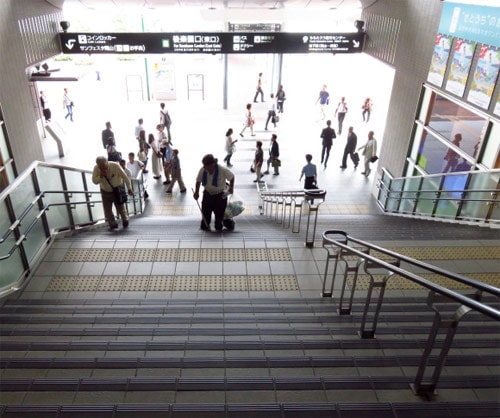 |
Even though the streets are clean, there are still regular inspections by staff. |
Along the way, Japanese train stations have many raised yellow lines to help visually impaired people navigate easily. You'll never see chewing gum or dirt sticking to these hard-to-clean lines.
6. The vehicle is always washed before use.
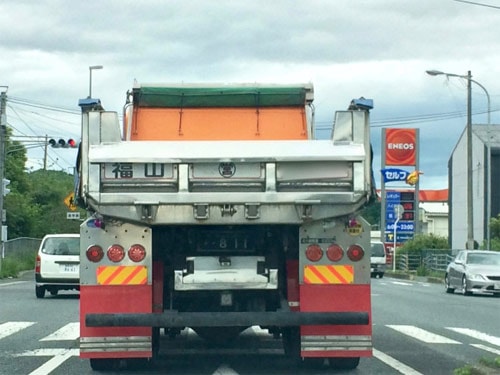 |
Ensuring your vehicle is always spotlessly clean is the responsibility of every driver. |
Homeowners always wash their cars as soon as they see they're dirty, especially after driving in the rain. Meanwhile, truck drivers usually wash their trucks right after a day's work.
7. Schedule for regular general cleaning
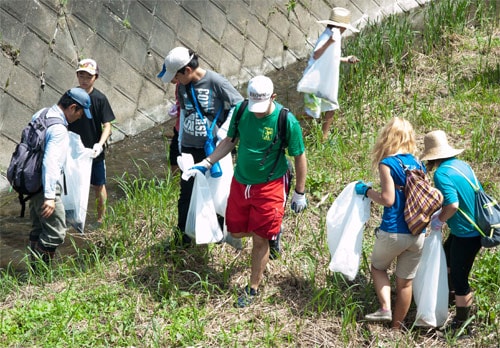 |
Foreigners in Japan are also invited to participate in cleaning up their residences and surrounding parks. |
If you live in Japan, you'll be asked to participate in scheduled neighborhood cleanup activities. At 7 a.m., you gather with your neighbors to sweep, trim dead branches and weeds, and clean nearby public restrooms (if any).
According to VNE